Two Malaysians who sustained injuries in an improvised explosive device blast in Thailand's Narathiwat province have been successfully repatriated and returned to Malaysia for medical care, according to an announcement from Malaysia's Foreign Ministry on Tuesday. The incident, which occurred on Monday morning in the southern Thai province, highlighted the ongoing security challenges in the border region and prompted coordinated diplomatic efforts to ensure the victims received proper treatment and safe passage home.
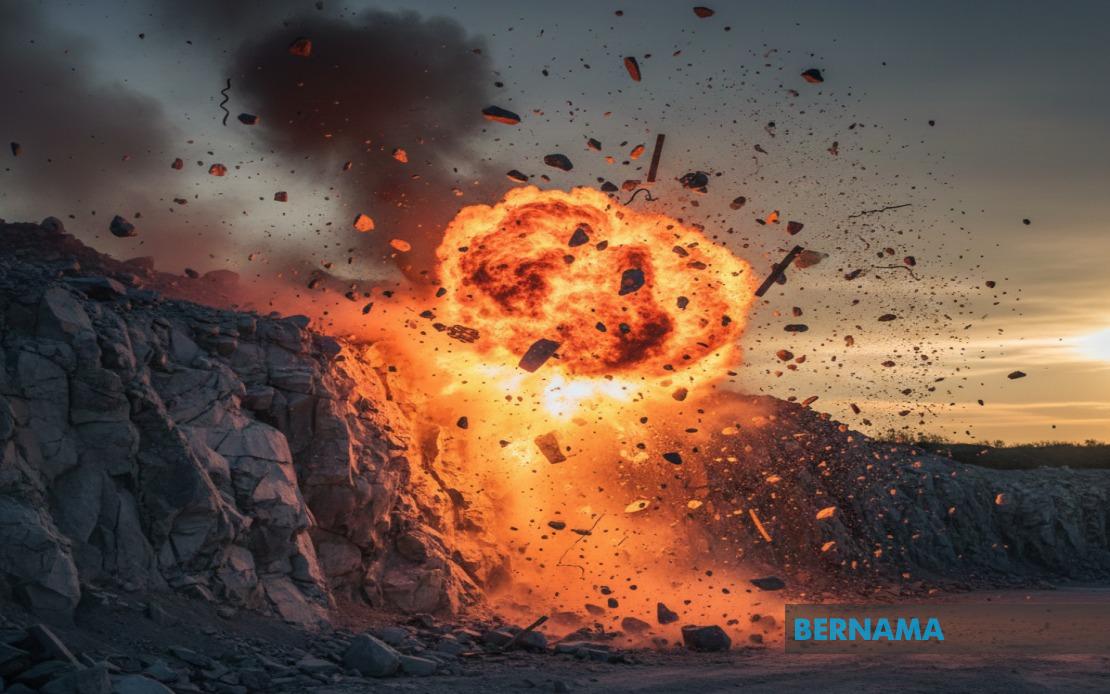
The explosion took place near the Sapom intersection in Tak Bai district at approximately 11.40 am local time. The two Malaysians were occupying a sport utility vehicle when an improvised explosive device that had been concealed within a roadside culvert detonated without warning. Thai security authorities conducted a rapid assessment and determined that the victims were not the intended targets of the attack, which officials believe was carried out by suspected insurgent groups operating in the volatile southern border region. The distinction was significant, as it suggested the blast was part of ongoing separatist activity rather than a targeted strike against Malaysians.
Immediate rescue and medical response operations were activated following the explosion. Thai explosive ordnance disposal teams and forensic officers were deployed to the blast site to conduct comprehensive investigations and gather evidence about the device's origin and construction. Meanwhile, both injured Malaysians received initial emergency treatment before being admitted to Naradhiwas Rajanagarindra Hospital in the provincial capital, where medical staff assessed and stabilised their conditions.
The repatriation process unfolded through coordinated diplomatic channels. Malaysia's Foreign Ministry, commonly referred to as Wisma Putra, worked closely with Thai government representatives and local authorities in Narathiwat to ensure the two victims could be safely discharged from hospital and escorted across the international border. The ministry specifically acknowledged the cooperation of Thai officials in facilitating the departure and prioritising the welfare of the injured Malaysians throughout their hospital stay.
Logistical coordination at the border proved essential to completing the transfer. The Consulate General of Malaysia in Songkhla liaised directly with relevant authorities stationed at the Sungai Golok-Rantau Panjang border crossing to arrange expedited immigration clearance for the two patients and their medical escort. Rather than subjecting the injured to standard border procedures, the arrangement allowed them to proceed directly through dedicated processes designed to accommodate their medical condition and urgent need for continued treatment in Malaysia.
Upon crossing into Malaysian territory, the two victims were transferred to ambulances and transported directly to a hospital in Kelantan state, where they were admitted for comprehensive medical evaluation and ongoing therapeutic care. The choice of Kelantan reflected both geographical proximity to the border and the availability of advanced medical facilities capable of treating the extent of injuries sustained in the blast. This ensured continuity of care following their hospitalisation in Thailand and enabled Malaysian medical teams to review and adjust treatment protocols as necessary.
The incident underscores the persistent security risks that characterise Thailand's southern border provinces, where decades-long insurgency has created an environment of sporadic violence and explosive activity. Malaysians living in or travelling through Narathiwat, Yala, and Pattani provinces face unpredictable hazards, as Monday's incident demonstrated. The fact that the two victims were simply passing through the area when the explosion occurred illustrates how residents and travellers remain vulnerable to incidents that occur without warning or specific targeting.
Wisma Putra issued formal appreciation to the Thai government and local Narathiwat authorities for their rapid response and cooperation throughout the repatriation process. Such acknowledgments reflect the importance Malaysia places on maintaining constructive bilateral relations with Thailand on security matters, despite the complexities arising from cross-border challenges. Regular diplomatic coordination helps ensure that Malaysian citizens caught in such incidents receive prompt assistance and that information-sharing between governments improves understanding of security threats in the border region.
Following the incident, the Foreign Ministry issued fresh advisory guidance to all Malaysians with residences or business interests in Thailand's southernmost provinces. The guidance emphasises the necessity of maintaining heightened personal security awareness, taking precautions to minimise exposure to high-risk areas and situations, and adhering scrupulously to all safety advisories and security directives issued by Thai authorities. This counsel reflects the reality that while such attacks remain relatively isolated in statistical terms, their unpredictability and potential severity warrant continuous vigilance from individuals choosing to remain in or transit through the region.
Wisma Putra stated it would sustain monitoring of developments surrounding the incident through its Songkhla consulate office, maintaining regular contact with Thai counterparts to ensure any emerging information or security concerns are promptly assessed and communicated to affected Malaysians. The commitment to ongoing oversight demonstrates the ministry's recognition that cross-border security incidents often generate follow-up developments, whether related to investigation findings, arrest announcements, or shifts in threat assessment that could impact future safety recommendations.
The incident serves as a reminder of the particular security environment that defines the Malaysia-Thailand border zone. Unlike many international borders characterised by routine administrative traffic and minimal violence, this frontier remains shaped by longstanding internal conflicts within Thailand that occasionally affect visitors and nationals of neighbouring countries. For Malaysian travellers and residents, maintaining awareness of these realities and following guidance from both Malaysian diplomatic missions and Thai authorities represents prudent risk management in an inherently unpredictable environment.

