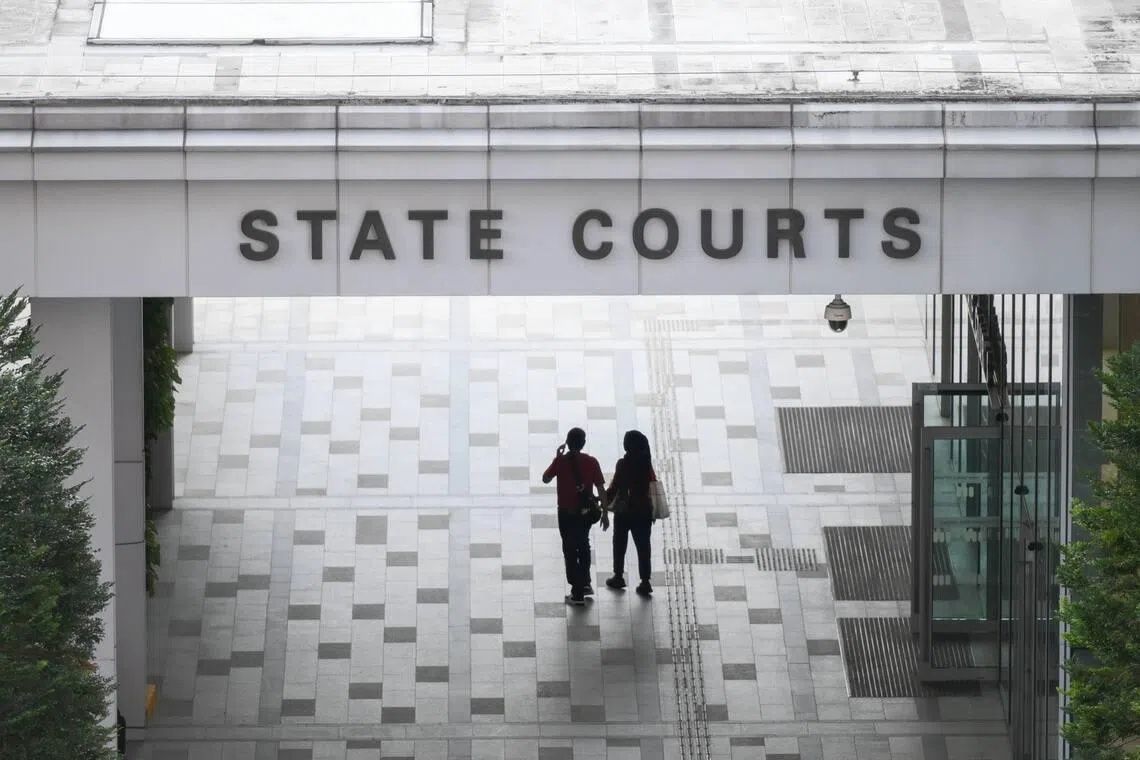
Three individuals—doctors Loke Wei Kang and Lee Wei Sheng, both Singaporeans, alongside Le Vie—face serious drug-related charges in Singapore's courts, including orchestrating a gathering for narcotics consumption, an offence that carries a maximum penalty of 20 years' imprisonment and 10 strokes of the cane. The case underscores growing concerns about drug use among Singapore's professional class and highlights how quickly recreational activities can escalate into criminal liability under the city-state's strict narcotics laws.
The trio contest the primary allegation that they deliberately planned the drug-taking event, arguing instead that the gathering emerged spontaneously. They maintain that when they initially booked a hotel room at Orchid Country Club, their intention was simply to host a party, with the decision to procure drugs occurring only afterwards. This distinction carries substantial legal weight in Singapore's courts, as the charge of planning requires premeditation, whereas spontaneous consumption might result in lesser charges. Loke Wei Kang, 33, and Lee Wei Sheng, 35, along with Le Vie, 33, have all accepted the drug consumption allegations without contest, focusing their defence entirely on whether the gathering was genuinely planned.
The incident originated from an earlier gathering on April 9, 2024, at Loke's parents' residence in Seletar. When police officers arrived after 10pm responding to noise complaints, the three made a fateful decision to relocate their activities elsewhere to continue using drugs away from scrutiny. Rather than dispersing, they contacted Le Vie to source ketamine and a particularly dangerous cocktail known colloquially as "happy water," requesting that she utilise her personal connections to obtain these substances. This request became the linchpin of the prosecution's case regarding planning and deliberate organisation.
The substance "happy water" represents a particularly concerning trend in drug abuse, consisting of a volatile mixture incorporating ketamine, Ecstasy, methamphetamine, and prescription medications including diazepam and tramadol. A 2022 assessment by the United Nations Office on Drugs and Crime specifically cautioned against such polydrug combinations, noting that consumption effects become highly unpredictable and hazardous. Most fatal overdoses documented in recent years have involved simultaneous use of multiple substances, making such cocktails extraordinarily dangerous. The inclusion of legitimate pharmaceutical products alongside illicit drugs creates an additional layer of risk, as users may underestimate potency or fail to anticipate dangerous interactions.
Following instructions from Loke and Lee, Le Vie initiated contact with a drug supplier to arrange purchases of three packets of "happy water" and two packets of ketamine. She organised a meeting at a nearby park to complete the transaction, departing Loke's residence with Lee to collect the drugs. Shortly thereafter, around 11pm, a mutual acquaintance arrived at the original gathering location, prompting the four individuals to plan their movement to another venue. Lee subsequently secured accommodation at Orchid Country Club, booking a room that would serve as the location where drug consumption subsequently occurred.
Upon preparing to consume the acquired substances, the group discovered that two of the four ketamine packets were missing from their immediate possession. The missing packets were eventually located inside Loke's vehicle, suggesting either careless handling or incomplete collection during the initial transaction. Rather than abandoning their plans, Le Vie contacted the supplier once more to arrange delivery of replacement ketamine packets directly to Orchid Country Club. She collected these replacement substances and transported them into the hotel room for group consumption, demonstrating continued commitment to the activity despite initial complications.
Police action culminated early the following morning, with officers conducting a raid on the hotel room at approximately 3.50am. They arrested all four occupants present at that time, though court documents remain silent regarding whether the fourth person—the mutual friend who joined the original gathering—has faced charges. This ambiguity raises questions about how enforcement agencies determine culpability and distinguish between organisers and mere participants in drug-related incidents.
Singapore's drug laws establish substantial minimum sentences regardless of whether defendants contest charges. Planning a gathering for drug consumption carries a mandatory three-year minimum prison term, while drug consumption itself mandates at least one year's imprisonment. The maximum sentence of 20 years combined with caning reflects Singapore's zero-tolerance approach to narcotics offences, positioning the city-state among the world's strictest jurisdictions in this domain. This severity aims to deter recreational drug use and organised distribution networks, though critics argue such penalties may inadequately address addiction as a health matter rather than purely criminal concern.
The trial will resume on July 30, with the court expected to determine whether the evidence demonstrates genuine premeditation or supports the defendants' assertion of spontaneity. This distinction will substantially influence sentencing outcomes, as conviction on the planning charge would likely result in sentences approaching or exceeding the three-year mandatory minimum. For Malaysia and other Southeast Asian nations observing Singapore's enforcement patterns, the case illustrates how professional status and credentials offer no protection from drug laws, and how quickly social gatherings can transform into serious criminal proceedings.
The case also illuminates broader regional drug-trafficking patterns, as substances like "happy water" have circulated throughout Southeast Asia, particularly among younger, educated demographics with disposable income. The involvement of individuals with medical training raises additional concerns about insider knowledge potentially being leveraged within healthcare systems, though the current case focuses narrowly on personal consumption rather than larger distribution networks. Law enforcement agencies across the region continue grappling with emerging drug cocktails and evolving consumption patterns that challenge conventional interdiction strategies.

