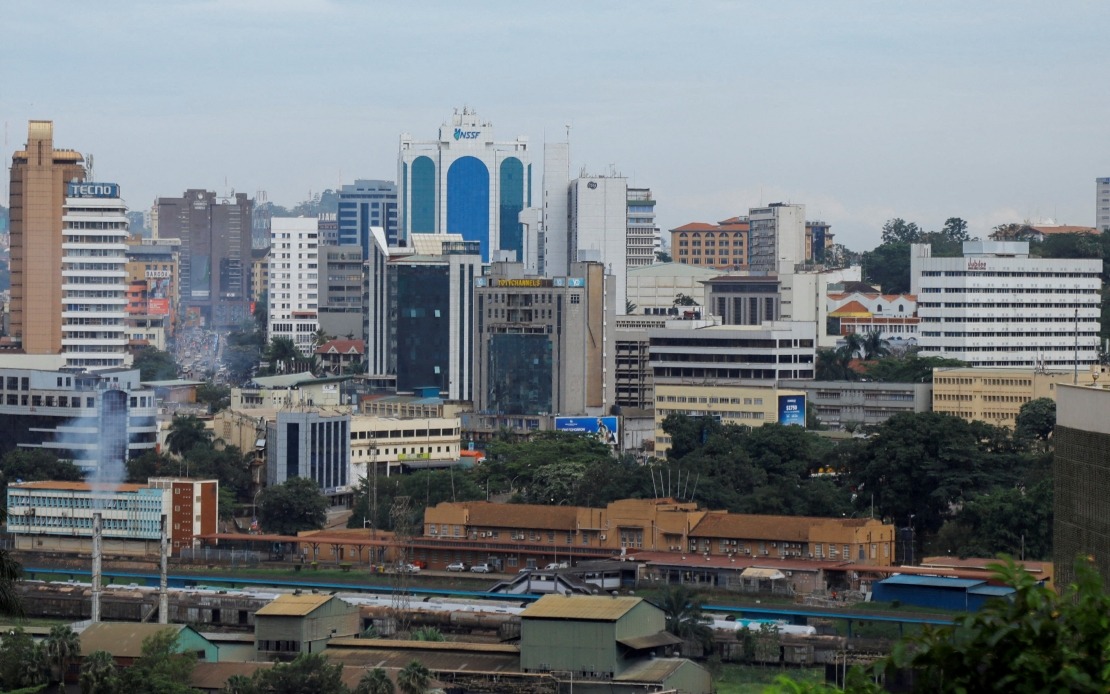
Uganda announced on Sunday a comprehensive evacuation programme targeting 746 of its nationals currently residing in South Africa, responding to months of deteriorating security as xenophobic violence continues to plague the country. The operation, which officials say will commence within the coming days, represents a significant diplomatic response to the safety crisis facing East African migrants in South Africa's volatile environment. According to Haruna Kasolo, Uganda's acting minister of foreign affairs, the exodus responds directly to threats issued by vigilante groups and mounting casualties among the Ugandan diaspora community.
Kasolo detailed the government's multi-phased approach to the repatriation process, emphasising coordination between several institutions tasked with ensuring smooth operations. The ministry is working alongside the Ugandan High Commission in Pretoria, relevant government agencies, and community leaders within South Africa to structure the evacuation programme. This collaborative framework reflects the complexity of extracting citizens from a volatile situation while maintaining diplomatic relations with South Africa. Registration with the High Commission has become mandatory for those seeking government-assisted return, with Kasolo urging all interested nationals to complete this process urgently to facilitate timely transportation arrangements.
The government will assume all financial responsibility for the operation, a significant commitment given Uganda's limited fiscal resources. Uganda Airlines, the national carrier, has been tasked with operating dedicated charter flights specifically for this evacuation, eliminating reliance on commercial aviation schedules and enabling prioritised departures. By deploying state resources in this manner, Uganda demonstrates its commitment to citizen protection abroad, though the cost implications remain undisclosed. This approach also signals to other governments in the region the serious nature of the security threat and the necessity of urgent action.
Beyond transportation logistics, the Ugandan government will provide comprehensive support throughout the evacuation journey. Returnees will receive assistance registering their intention to depart, secure passage to designated assembly centres where they can gather safely, and access to emergency travel documentation for those whose passports may have been lost or compromised during the violence. This holistic assistance acknowledges that many evacuees may arrive at assembly points in distressed circumstances, having fled rapidly or abandoned possessions. The coordination of these services underscores the scale of administrative effort required to manage such an operation efficiently.
Some Ugandan nationals have already begun self-evacuation, reportedly spurred by a June 30 deadline circulated by organised vigilante groups. This autonomous exodus highlights the acute fear gripping the community and suggests that official evacuation channels, while welcome, may not be containing all movement back to Uganda. The vigilante-issued deadline itself reveals the organised nature of anti-migrant sentiment in South Africa, where coordinated groups appear to be actively driving foreign nationals from their territories. This development underscores the gravity of conditions and the time-sensitive nature of the government's response.
The toll of the violence has already reached Uganda's doorstep with confirmed loss of life. One Ugandan citizen was killed during anti-migrant attacks in KwaZulu-Natal Province, a province that has been particularly prone to xenophobic incidents in recent years. The government is coordinating repatriation of the deceased's remains, adding a solemn dimension to evacuation efforts and transforming the operation from merely administrative to deeply humanitarian. The death, while tragic, also crystallises the reality of danger facing Ugandan migrants and justifies the extraordinary measures now being deployed.
Uganda's diplomatic engagement with South African authorities continues even as evacuation proceeds, reflecting a balancing act between protecting nationals and maintaining bilateral relations. Officials are pressing South Africa to guarantee security for those Ugandans choosing to remain, though the sustainability of this position appears questionable given the xenophobic violence's apparent systemic nature. This diplomatic channel may secure temporary safeguards but cannot address root causes of migrant targeting in South Africa's economically stressed communities.
For Malaysia and the broader Southeast Asian region, Uganda's evacuation presents instructive parallels regarding citizen protection abroad. Malaysian workers scattered across challenging destinations face analogous risks, and this case study demonstrates the importance of maintaining robust consular networks and rapid-response capabilities. The Ugandan government's willingness to deploy substantial resources for citizen extraction, while financially burdensome, reflects international norms regarding state responsibility for protecting nationals facing life-threatening circumstances overseas. Malaysia's own diaspora management frameworks may benefit from examining Uganda's coordination mechanisms, particularly regarding advance registration systems and emergency documentation protocols.
The xenophobic violence in South Africa that precipitated this evacuation reflects broader continental tensions regarding migration, resource competition, and economic inequality. South Africa's unemployment crisis and service delivery failures have historically created environments where migrant communities become scapegoats for domestic grievances. This pattern, visible across multiple African nations, creates predictable cycles of violence targeting foreigners. Understanding these dynamics helps regional governments like Malaysia anticipate risks and respond proactively to protect citizens working in volatile labour markets.
The evacuation operation also raises questions about long-term solutions versus emergency responses. While Uganda is addressing immediate safety through extraction, the fundamental conditions driving xenophobic violence in South Africa remain unresolved. For Ugandan nationals whose livelihoods depend on South African employment, evacuation represents loss rather than resolution. This tension between protecting citizens and enabling economic opportunity abroad will persist as Uganda and other source countries navigate managing diaspora communities in precarious environments.
As operations commence, the efficiency and humanity of Uganda's execution will be closely monitored by other African nations facing similar situations. The evacuation's success or difficulties may influence how regional governments prepare for future crises. For Southeast Asian observers, the Ugandan case reinforces the necessity of maintaining diplomatic presence, rapid decision-making capacity, and sufficient resources to execute emergency extractions when circumstances demand.

