Universiti Teknologi MARA's Kelantan branch is urging financially struggling students not to decline higher education offers, insisting that substantial support mechanisms exist to alleviate the burden of studying at the institution. The appeal comes as competition for public university places intensifies across Malaysia, making acceptance crucial for those fortunate enough to secure a spot in an increasingly crowded tertiary education landscape.
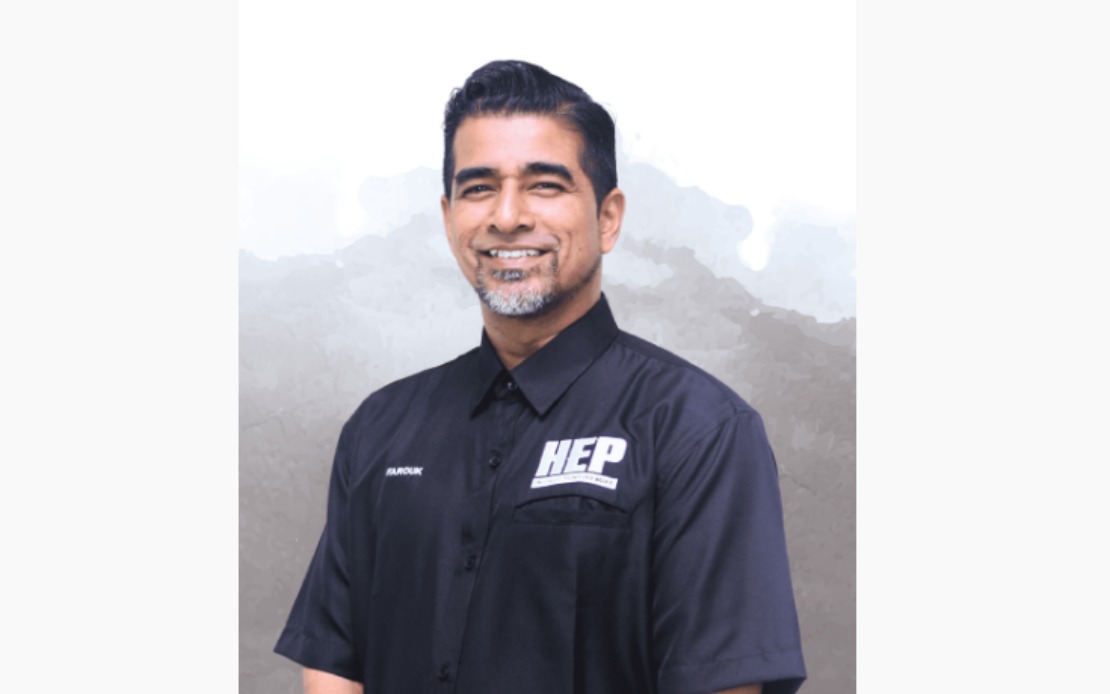
Meer Zhar Farouk Amir Razli, the university's Deputy Rector for Student Affairs, outlined the diverse assistance available beyond conventional financing avenues during the UiTM Kelantan Branch Rector's Cakna Programme. While the National Higher Education Fund Corporation (PTPTN) loan scheme remains a primary option, students need not depend exclusively on this mechanism, he stressed. The institution provides zakat-based financial assistance, institutional welfare funds, and dedicated support through the Dapur MADANI initiative—a targeted programme designed specifically within residential college settings to help students navigate living expenses throughout their academic journey.
The Dapur MADANI initiative represents a practical acknowledgment of the daily challenges faced by low-income undergraduates. By focusing on residential college environments where many students spend the majority of their time, the programme addresses one of the most significant variable costs in higher education: accommodation and meals. This layered approach to financial support demonstrates institutional recognition that obtaining a loan is merely one component of enabling genuine access to university education for disadvantaged cohorts.
Meer Zhar emphasised that prospective students and their families should thoroughly investigate all available assistance schemes before making final decisions about admission offers. The advisory reflects understanding that many qualified candidates from underprivileged backgrounds may instinctively reject offers due to perceived financial impossibility, without fully exploring institutional support infrastructure. This information gap can perpetuate educational inequality even when formal barriers to admission have been ostensibly removed.
The institution's proactive engagement with local non-governmental organisations to identify and support newly enrolled students requiring assistance signals a commitment extending beyond administrative handover of funds. By partnering with community groups familiar with local conditions and vulnerable populations, UiTM Kelantan creates mechanisms for identifying students who might otherwise struggle silently rather than accessing support channels they were unaware existed.
One beneficiary exemplifies the real impact of such programmes. Norzarra Dhania Amir Abdullah, nineteen, was initially forced to decline an offer from UiTM Sarawak the previous year due to her family's constrained financial circumstances. As the eldest of seven siblings, she supports a household dependent almost entirely on her mother's income from restaurant work since her father became unable to work following a diabetes diagnosis four years earlier. Her situation encapsulates how family medical emergencies can precipitate prolonged financial strain, creating conditions where talented students cannot pursue opportunities without institutional intervention.
Norzarra Dhania's eventual acceptance of the Kelantan campus offer illustrates both the personal calculation involved in making such decisions and the importance of geographic proximity in cost-benefit analysis. Though the institution's core support mechanisms remained similar, the reduced transportation costs and closer connection to family support networks made the Kelantan option economically viable. This detail underscores that financial assistance operates within a broader ecosystem of family circumstances and logistical realities that administrative support must navigate.
The Rector's Cakna Programme went beyond informational sessions by providing concrete material support. Norzarra Dhania received a laptop at her home in Jalan Kebun Sultan, acknowledging that equipment costs represent genuine barriers for technology-dependent academic work. This direct provision of essential tools removes another layer of financial obstacle, demonstrating that holistic student support encompasses technology access alongside fee assistance and living allowances.
Norzarra Dhania's stated intention to pursue a Diploma in Management reflects purposeful career planning despite financial constraints. Her determination to continue her education despite previous rejection reveals the psychological resilience required when formal educational pathways are complicated by economic factors. The fact that she now has an opportunity to study at a campus closer to her support network while pursuing her chosen field suggests that institutional flexibility in location and programme access can meaningfully improve outcomes for disadvantaged cohorts.
The intensifying competition for places in Malaysia's public higher education sector creates a paradox: as places become scarcer, the stakes of declining offers increase correspondingly, yet students from underprivileged backgrounds face proportionally greater obstacles in accepting them. UiTM Kelantan's messaging addresses this imbalance by explicitly assuring students that financial barriers should not automatically trigger rejection. This reframing positions institutional support infrastructure as integral to the admission offer itself rather than as secondary or supplementary.
For Malaysian policymakers and other public university administrators, the Kelantan approach offers a replicable model combining multiple assistance streams with targeted community partnerships and direct material support. The integration of zakat-based assistance particularly resonates within Malaysia's Islamic institutional framework, enabling support mechanisms aligned with cultural and religious values while effectively subsidising education for marginalised communities.
Looking forward, the visibility and accessibility of such support programmes remain critical. Many qualified students from lower-income families may still be unaware of available assistance, leading them to decline offers unnecessarily. Expanding outreach through secondary schools and community organisations could ensure that information about support reaches students before they make definitive decisions about their educational futures. The success of programmes like Dapur MADANI depends not merely on existence but on awareness and perceived accessibility among those most in need.