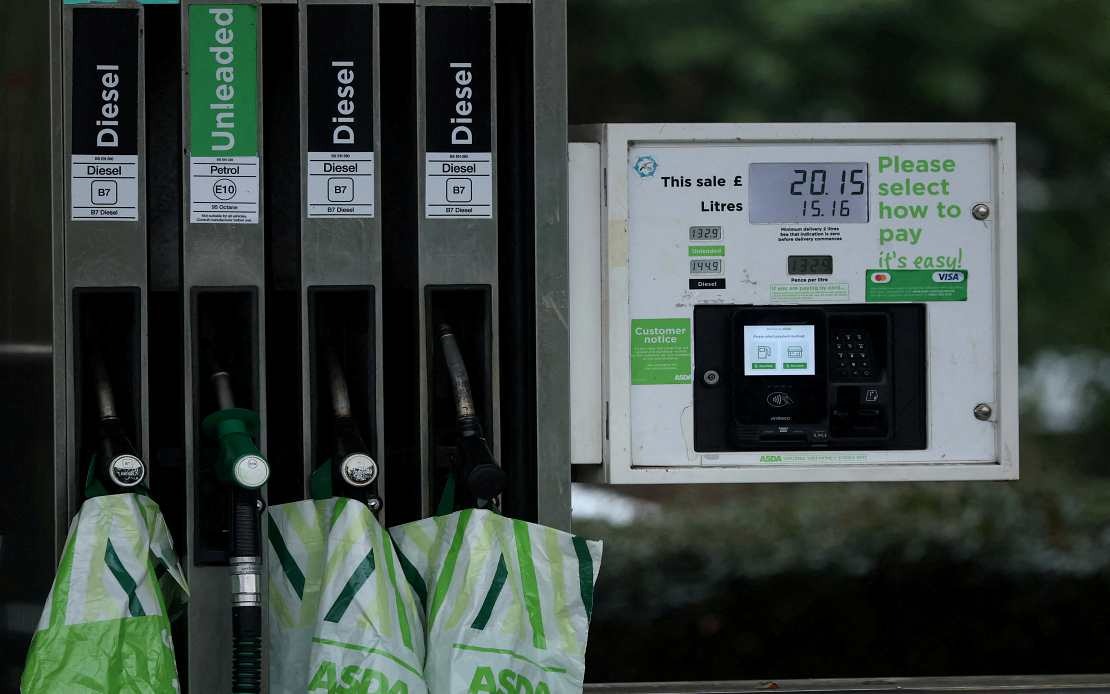
The United Kingdom's petrol retailers face a mounting crisis as fuel thefts balloon to unprecedented levels, with criminals absconding with an estimated £194,000 worth of petrol and diesel every single day. This represents a dramatic escalation in pump crime since geopolitical tensions in the Middle East triggered a global energy shock in late February, fundamentally shifting the economics of fuel pilferage and emboldening both opportunistic and habitual offenders.
Analysis by Forecourt Eye, a specialised firm tracking theft at UK fuel stations, reveals the stark picture. In the five months following the onset of the Iran oil crisis, incidents of fuel taken without payment increased by 20 per cent compared with the preceding five-month period. The vulnerability stems partly from the nature of UK forecourt operations, where customers typically fill their tanks before paying, creating a window for those intent on driving away without settlement. The company's data draws from a representative sample of 550 installations across the UK's 8,359 petrol pumps, lending credibility to projections of the national toll.
What makes the situation more concerning is how substantially the monetary value of stolen fuel has climbed. Because petrol and diesel prices have rocketed since February, the actual cost to retailers of each theft has ballooned by 48 per cent, even though the volume of fuel being stolen has risen more modestly. The average litre of petrol reached 160 pence by early August—roughly 27 pence higher than pre-conflict levels and marking a three-and-a-half-year peak. Diesel has proved even more volatile, with average pump prices sitting around 179 pence per litre, approximately 37 pence above pre-war rates. These extraordinary increases mean that a single drive-off now represents a substantially larger financial hit to individual forecourt operators.
Fuel theft manifests in two principal forms. Drive-offs occur when customers fill their vehicles and depart without any attempt to pay. The second category encompasses situations where drivers claim upon completing their transaction that they possess no means of payment—whether cash or card—leaving the forecourt operator unable to recover costs. First-time offenders have proven particularly responsive to the changing economic environment, with their incident count rising 23 per cent and the volume of fuel they pilfer climbing 26 per cent. Repeat offenders, by contrast, have increased their activities more modestly at 17 per cent additional incidents and 20 per cent greater fuel volumes, suggesting that organised criminal elements may already have been operating at higher capacity.
The crisis reflects deeper societal tensions emerging from cost-of-living pressures across the United Kingdom. Ben Lawrence, who operates five petrol stations across Norfolk and Hampshire through Lawrences Garages, offers crucial insight into the psychology shifting behind the wheel-and-dash phenomenon. Historically, fuel theft was predominantly the preserve of individuals already embedded in criminal networks, he explains. Today, the profile has broadened dramatically—ordinary citizens facing mounting household expenses are increasingly viewing petrol station theft as a viable survival tactic. This democratisation of crime represents a troubling social indicator about the strain placed upon ordinary British families.
Lawrence also highlights a critical misconception driving some thefts. Numerous forecourts display prominent branding from multinational energy corporations such as BP and Shell, leading many drivers to assume these outlets are company-operated mega-retailers rather than independent family businesses. This misapprehension fosters a morally convenient narrative in which drivers convince themselves that taking £80 or £90 worth of fuel from what they perceive as a faceless corporate entity causes no genuine harm. In reality, Lawrence stresses, money stolen from branded forecourts strikes independent operators, not the oil giants whose logos adorn the pumps.
The Petrol Retailers Association, representing independent petrol stations across the country, has reported an alarming secondary consequence of the crisis: escalating hostility directed toward forecourt staff. Gordon Balmer, the association's executive director, notes that retailers are documenting rising tiers of verbal abuse and physical aggression aimed at employees simply performing their jobs. These workers exercise no control whatsoever over the prices displayed on pumps, yet they increasingly bear the brunt of public frustration about fuel costs. This deterioration in workplace safety compounds the operational challenges confronting small retailers already struggling with margin compression from higher wholesale costs.
In response to the security emergency, Forecourt Eye has forged a partnership with Facewatch, a crime-reporting technology company, to provide complimentary access to digital incident-recording systems. The initiative aims to streamline documentation of fuel thefts alongside other retail crime and illegal activity at forecourts. More ambitiously, participating operators may opt into Facewatch's facial recognition network, which cross-references footage against databases of known offenders and alerts retailers to their presence. The technology promises to transform how independent forecourt owners identify repeat thieves and support police investigations.
Michelle Henchoz, managing director of Forecourt Eye, underscores the necessity of such technological integration, noting that offending has become increasingly coordinated and sophisticated. Retailers accordingly require comprehensive, interconnected systems capable of safeguarding both fuel pumps and adjacent convenience stores. Balmer echoes this sentiment, observing that unified technology platforms enabling crime prevention, incident management, and police cooperation represent tangible progress for the broader petrol retail sector.
For Malaysian observers, the UK experience offers sobering lessons about the intersection of geopolitical energy shocks and domestic social cohesion. As a major oil producer and exporter, Malaysia has historically enjoyed relative insulation from global fuel price volatility, yet supply disruptions in other regions can ripple through Southeast Asia's transport networks and industrial costs. The UK crisis demonstrates how rapidly cost-of-living pressures—particularly around essential commodities—can corrode social norms and breed petty criminality across demographic groups ordinarily considered law-abiding. Additionally, the scenario illustrates how small independent businesses shoulder disproportionate burdens during energy emergencies, a pattern relevant to Malaysia's retail landscape where independent forecourts compete against major branded chains.

