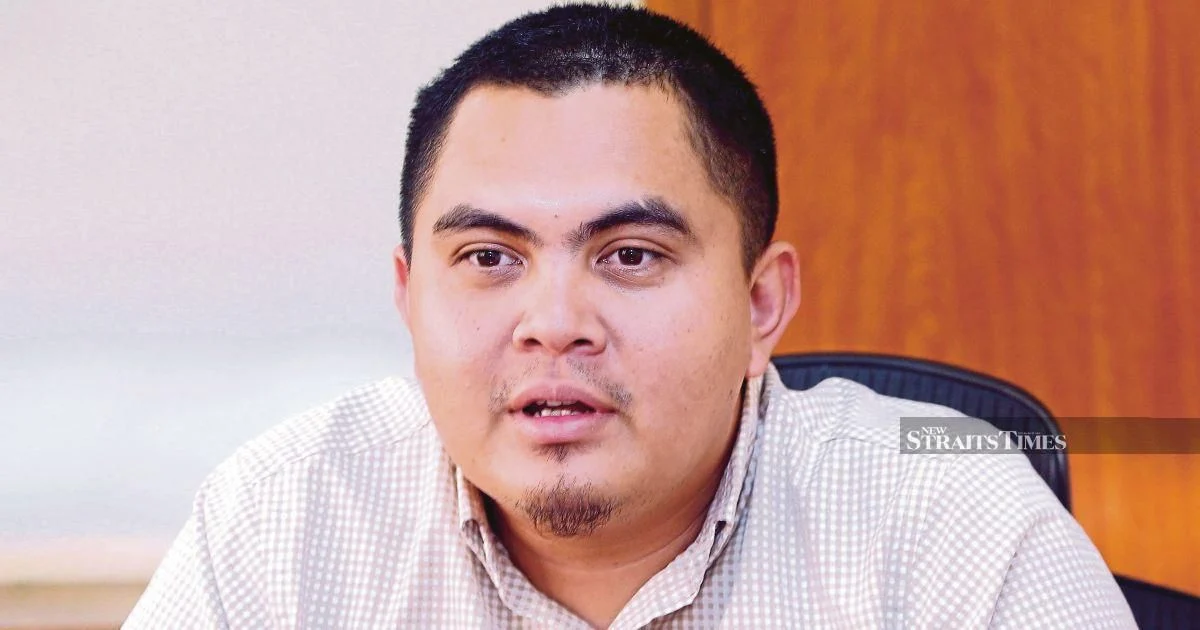
Umno's Youth wing chief Datuk Dr Muhamad Akmal Saleh has flatly rejected suggestions that Malaysia's largest Malay party functions primarily to advance the interests of individual families, particularly when it comes to nominating candidates for electoral contests. Speaking in Johor Baru, the youth leader sought to dispel a persistent perception that has dogged the party for years—that high-profile family networks within Umno leverage their prominence and wealth to secure parliamentary and state assembly seats for their relatives.
The assertion from Akmal represents an important statement on party governance at a sensitive moment when internal factions within Umno continue to jostle for influence over the machinery that determines candidate selection. By publicly declaring that the party operates on meritocratic principles rather than genealogical preference, he signals to rank-and-file members that aspiring politicians need not rely exclusively on surname recognition or familial ties to the party elite. This messaging appears designed to broaden the pool of potential candidates and defuse criticism that Umno has become increasingly hierarchical and exclusive in its decision-making processes.
The controversy surrounding family-based advancement in Malaysian politics reflects broader structural challenges within the country's party system. Observers have long noted that dominant political organizations occasionally transform into fiefdoms where familial clans consolidate power across multiple generations, sometimes to the detriment of institutional strength and democratic renewal. When prominent Umno figures succeed in placing relatives into winnable seats—whether through informal persuasion, strategic positioning, or explicit backing—it can marginalize capable party members without such connections and create resentment within the broader membership.
Akmal's intervention suggests that party leadership recognizes the corrosive effect such perceptions have on internal morale and external credibility. If voters increasingly view Umno as a vehicle for dynastic advancement rather than a genuine political movement, the party risks losing appeal among younger, less-connected members who see their pathway to leadership effectively blocked. This becomes especially problematic during candidate nomination periods, when aspiring politicians across the party hierarchy compete for exposure and selection to contests they believe they can win.
The Umno Youth leader's statement also carries tactical implications for forthcoming electoral cycles. By firmly positioning the party as meritocratic in its approach, Akmal attempts to inoculate Umno against opposition attacks that frame the party as elitist or nepotistic. Pakatan Harapan and other rival coalitions have periodically leveraged such narratives to appeal to voters frustrated with perceived backroom dealing and inherited privilege in Malaysian politics. A clear, repeated assertion that Umno selects candidates based on capability rather than pedigree offers a counternarrative that party strategists believe will resonate with the electorate.
However, rhetoric divorced from demonstrable action often rings hollow in electoral politics. For Akmal's message to gain traction, the party must visibly nominate candidates from diverse backgrounds and demonstrate that individuals without prominent family surnames can realistically secure party endorsement for competitive seats. Historical patterns of candidate selection across multiple election cycles will ultimately determine whether voters perceive Umno as genuinely embracing meritocracy or merely mouthing commitments to fairness while maintaining existing power structures.
The timing of this statement within Malaysian politics also merits attention. Umno presently occupies a pivotal position within the ruling coalition, having negotiated significant influence over cabinet positions and parliamentary portfolio assignments. As the party positions itself for the next general election—whenever that may occur—internal cohesion becomes essential to maintain this leverage. Suppressing narrative friction surrounding family politics helps preserve unity and prevents rival factions from weaponizing such grievances during candidate selection disputes.
Moreover, Akmal's intervention reflects awareness among senior party leadership that demographic shifts are transforming Umno's electoral base. Younger voters increasingly scrutinize the values and operating principles of political organizations, with many expressing discomfort toward structures they perceive as corrupt or exclusionary. Positioning Umno as a forward-thinking party committed to fairness in candidate selection aligns the organization with aspirational narratives about institutional reform and good governance that appeal to this demographic.
For Malaysian voters and political observers monitoring Umno's evolution, the substance behind Akmal's assertions will matter far more than the pronouncements themselves. Genuine commitment to non-familial candidate selection would represent meaningful institutional progress, signalling that Malaysia's dominant Malay party is willing to reform practices that have historically concentrated power among interconnected elite networks. Conversely, if candidate nomination processes continue reflecting the old patterns of family favoritism despite these public disavowals, public trust in Umno's commitment to democratic principles will continue eroding. The coming election cycle will provide a crucial testing ground for whether the party's leadership translates rhetoric into structural change.

