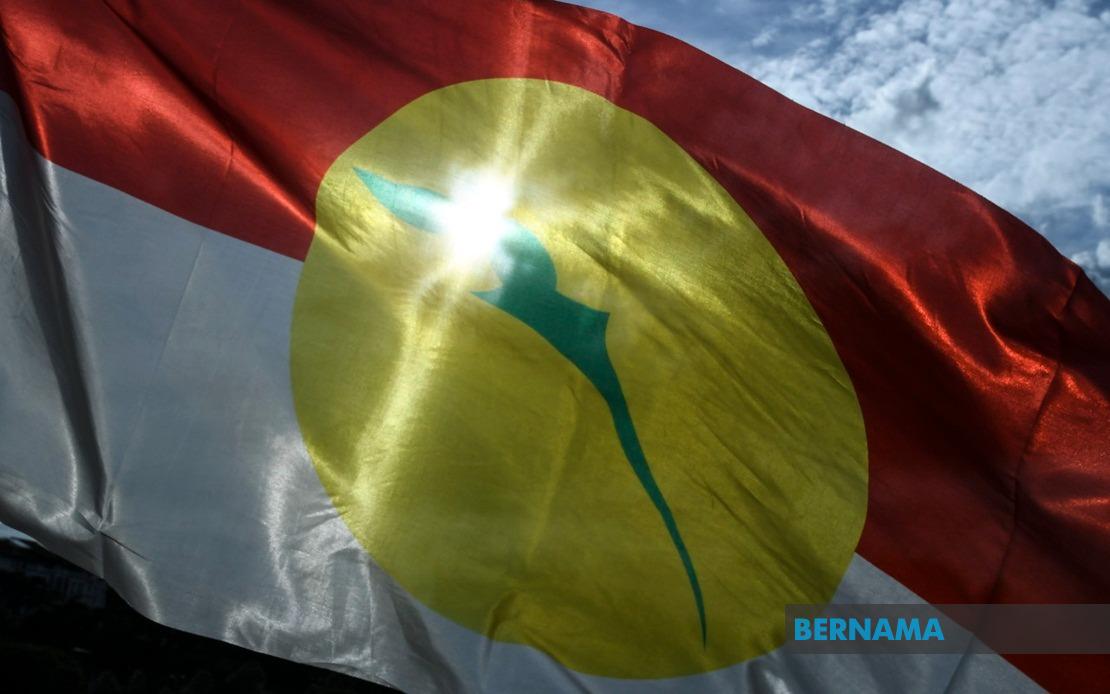
The upcoming Johor state election has exposed fractures within UMNO's ranks, prompting party leadership to issue a rallying call for unity and discipline among members dissatisfied with the candidate selection process. Datuk Seri Azalina Othman Said, the party's Information chief, delivered a forceful message that personal grievances must take a backseat to the broader mission of the party and its responsibility to Malaysian voters. Her intervention reflects growing concern within UMNO that internal discord could undermine its performance in the polls, scheduled for July 11.
The catalyst for Azalina's statement came with the resignation of UMNO Supreme Council member Datuk Dr Mohd Puad Zarkashi, who announced he was stepping down to express his views more freely. According to UMNO secretary-general Datuk Dr Asyraf Wajdi Dusuki, Mohd Puad's departure stemmed from frustration after his son was not selected as a candidate for the Rengit state seat. The incident underscores a persistent challenge for major Malaysian political parties: balancing meritocratic candidate selection with the natural desire among senior members to secure positions for their protégés and family members.
In her public statement, Azalina acknowledged that disappointment following candidate selection is an inevitable feature of Malaysian politics, particularly in a party as large and faction-ridden as UMNO. She conceded that members are entitled to voice their opinions and raise criticisms through proper channels, and that their feelings of letdown are understandable responses to being overlooked. However, her core message was unambiguous: once the party's decision-making machinery has operated and a determination has been reached, members must fall in line and work collectively toward victory.
The framing of her appeal reveals a calculated approach to party management. By positioning party discipline not as an authoritarian demand but as a sign of maturity and political sophistication, Azalina sought to appeal to members' pride in UMNO's institutional standing. She also introduced the element of public perception, noting that voters observe not merely what politicians promise but how they conduct themselves under strain. This argument carries particular weight in Malaysian electoral contexts, where internal party turmoil often translates into voter scepticism and reduced turnout among the party's base.
Azalina further strengthened the party's candidate selection process by praising the leadership of Johor UMNO Liaison Committee chairman Datuk Onn Hafiz Ghazi and his team. Her commendation for their handling of what she termed a "difficult" selection process suggested that the exercise had been conducted with seriousness and deliberation, not arbitrariness. By publicly validating the process, she reinforced its legitimacy and implicitly cautioned dissident members that their grievances reflected personal disappointment rather than any substantive flaw in how candidates were chosen.
The party's messaging also included a forward-looking dimension. Azalina asserted that UMNO possesses an abundant pipeline of leadership talent, with grassroots figures, young aspirants, and newly trained politicians constantly emerging to serve the party's cause. This statement functioned on multiple levels: it consoled those who missed out in this election cycle by suggesting future opportunities, it countered any perception that UMNO was becoming gerontocratic or stagnant, and it reinforced the notion that short-term individual disappointments matter little in the context of a robust, enduring institution.
The Johor election itself carries considerable weight within Malaysian politics. As one of the country's largest and wealthiest states, Johor's political complexion influences broader regional dynamics and sends signals about electoral sentiment to other states. UMNO's performance here will be closely watched by rival parties and by federal-level observers assessing the coalition's viability. Internal divisions, even if eventually resolved, risk demoralising the party machinery precisely when voter contact and ground activation matter most. The compressed timeline—with nominations set for June 27 and polling day on July 11—means UMNO has little room to repair any damage caused by public resignation and factional discontent.
Mohd Puad's decision to resign rather than remain within the party and quietly nurse his grievances represents a notably public form of protest. His choice to leave signals that at least some senior UMNO figures believe their principles or their families' interests cannot be accommodated within the party's current decision-making framework. Whether his departure represents a broader malaise or an isolated incident tied to specific family circumstances remains unclear, but the symbolism of a Supreme Council member walking away is difficult for party leadership to ignore or downplay.
The clash between individual ambitions and collective discipline lies at the heart of Azalina's appeal. In any large organisation, particularly a political party built on networks of patronage and personal relationships, this tension is perpetual. UMNO's history includes numerous instances of senior figures resigning or defecting when denied preferred positions or policy outcomes. The party has survived such episodes, but each one exacts a cost in terms of morale, resource deployment, and voter perception. Azalina's intervention represents an attempt to arrest the narrative early and prevent other disgruntled members from following Mohd Puad's example.
For Malaysian observers, the Johor election serves as a barometer of the coalition government's standing and UMNO's capacity to manage internal diversity without fracturing. The party faces pressure from multiple directions: competition from Perikatan Nasional in rural constituencies, erosion of urban middle-class support, and younger voters' disengagement with traditional politics. Against this backdrop, internal unity is not merely desirable but strategically essential. Azalina's message, therefore, extends beyond simple party management rhetoric; it reflects genuine anxiety about UMNO's electoral viability in an increasingly fragmented political environment.
The nominations process itself, scheduled for June 27, will provide the first concrete test of whether members genuinely embrace the party line or whether further resignations or public dissent emerge. Campaign dynamics and ground sentiment over the following two weeks will further clarify whether internal discord translates into measurable electoral disadvantage. Ultimately, UMNO's performance on July 11 will determine whether Azalina's appeal for unity succeeded in rallying the party or whether it merely temporarily postponed deeper structural questions about candidate selection, generational renewal, and the balance of power within Malaysia's oldest and largest political organisation.

