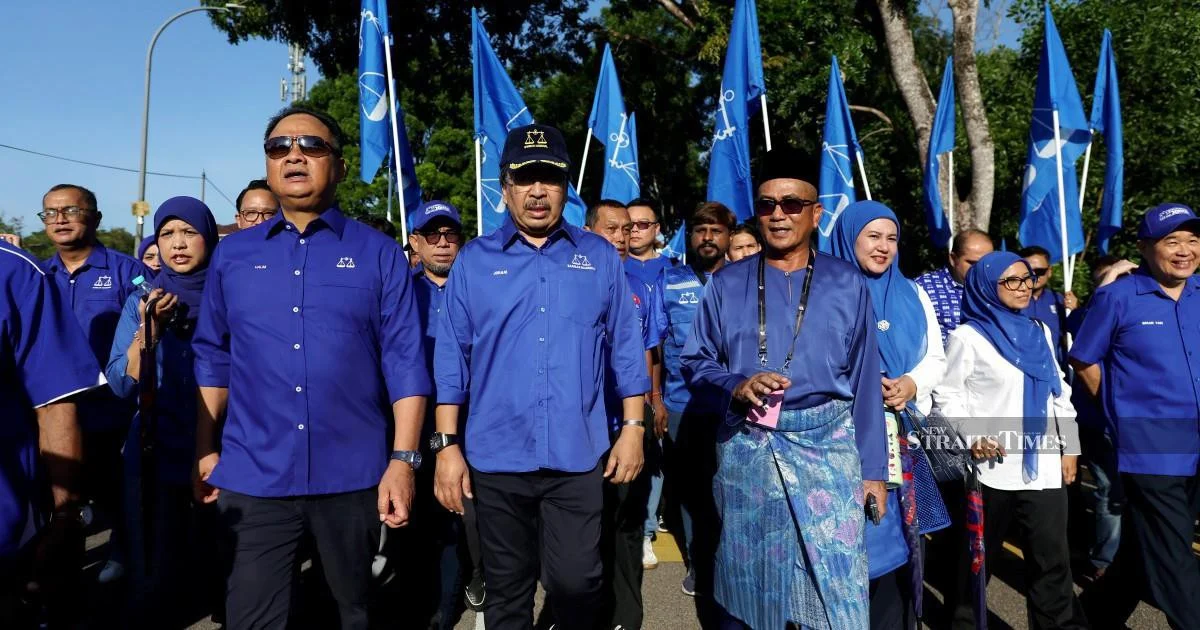
Umno vice-president Datuk Seri Johari Abdul Ghani has joined the Barisan Nasional campaign push in the Johor state election by appearing at a rally in support of the coalition's candidate for the Tiram seat. The senior party leader's presence at the Taman Pelangi Indah community hall underscores the priority the Umno hierarchy places on securing the seat, one of several contested constituencies in Johor that will determine the overall direction of the state government following polling day.
The show of strength by one of Umno's most prominent figures reflects the party's determination to maintain its grip on Johor, Malaysia's second-most populous state and a traditional bastion of Malay-Muslim support for the coalition. Johari's involvement in ground campaigning signals that Barisan Nasional views certain constituencies, including Tiram, as competitive battlegrounds that require senior leadership intervention rather than relying solely on grassroots machinery.
Johor elections carry outsized significance within Malaysian politics beyond the state's borders. The outcome influences national political dynamics, affects investor confidence in the region, and shapes perceptions about Malay and Muslim voter sentiment towards the ruling coalition. A strong showing for Barisan Nasional would provide momentum to federal leadership, while unexpected losses could embolden opposition parties and complicate Prime Minister Datuk Seri Anwar Ibrahim's coalition arrangements at the national level.
The Tiram constituency encompasses both urban and semi-rural communities, making it representative of the demographic complexity that both Barisan Nasional and opposition parties must navigate in contemporary Johor politics. Voters in such seats have increasingly demonstrated willingness to switch allegiances based on local grievances, economic performance, and the perceived competence of candidates regardless of party affiliation. This volatility explains why senior party figures like Johari personally engage in campaigning rather than leaving such seats entirely to local machinery.
Umno's strategic calculus involves deploying its most recognisable faces to constituencies where sentiment appears uncertain or where the party's traditional vote-share has eroded. Johari brings significant administrative experience and public recognition from his tenure in various ministerial and party positions, attributes that campaign strategists believe can persuade swing voters who might otherwise abstain or support opposition candidates.
The Tiram campaign engagement also reflects broader efforts by Barisan Nasional to revitalise its organisational structure following the party's mixed performance in recent elections. By bringing senior leadership into direct contact with communities, the coalition aims to rebuild trust with constituencies that have occasionally voted for opposition candidates or expressed dissatisfaction with service delivery. Personal appearances by prominent figures often convey messages about party commitment that mere media coverage cannot replicate.
Johor's political landscape has transformed considerably over recent years, with opposition parties successfully contesting seats previously considered impregnable for Barisan Nasional. The emergence of Perikatan Nasional as a credible alternative force, particularly in certain constituencies, has forced the ruling coalition to compete more vigorously for votes that historically came without significant contest. Johari's campaign activities must be understood within this context of heightened competition and reduced electoral certainty.
The candidate selected to contest Tiram represents Barisan Nasional's judgment about which individual can best resonate with voters while embodying the coalition's policy agenda. Johari's backing lends institutional weight and party resources to that candidacy, signalling to local supporters that the party takes the seat seriously and will invest effort in ensuring victory. This kind of senior-level endorsement can prove decisive in tight contests where voter margins determine outcomes.
For opposition parties contesting Johor, the sight of Barisan Nasional deploying senior figures for constituency-level campaigning represents both a challenge and an opportunity. It demonstrates the coalition's resourcefulness and reach, but can also be portrayed as evidence of desperation—that the party feels compelled to rely on top-level intervention rather than enjoying confident grassroots support. Opposition campaigns in Tiram will likely highlight such appearances as indicators that the ruling coalition lacks authentic community endorsement.
The Johor state election occurs amid national political uncertainties surrounding federal coalition stability and the government's economic policy direction. State elections increasingly serve as referendums on both state-level governance and national administration, with voters using them to send messages to federal leadership. Barisan Nasional's performance in Johor will therefore carry implications beyond the state, influencing narratives about government effectiveness and coalition resilience that reverberate throughout Malaysian politics.
Johari's campaign efforts also provide opportunities for the party to communicate directly with voters about specific development projects, service improvements, and policy commitments relevant to Tiram constituents. Beyond the symbolic value of his appearance, such events function as platforms for articulating the coalition's vision and responding to constituency-specific concerns that opposition parties may have highlighted during their own campaigns.
As polling approaches, both Barisan Nasional and opposition coalitions will intensify their ground activities across all contested seats. The appearance of senior party leaders like Johari will likely become more frequent, with both sides seeking to mobilise supporters and convince undecided voters. The Tiram contest exemplifies the competitive dynamics now characteristic of Malaysian state elections, where victory is neither guaranteed nor easily predicted regardless of a party's historical dominance.

