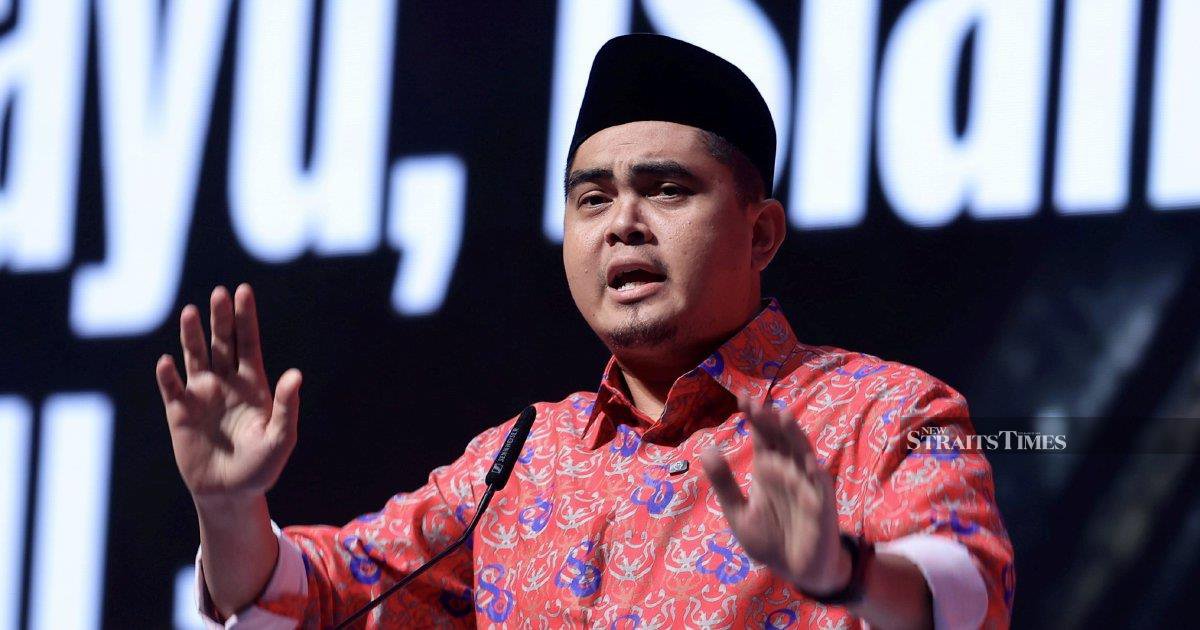
In a pointed challenge issued from Johor Baru, Umno Youth chief Datuk Dr Akmal Saleh has publicly pressed DAP deputy chairman Nga Kor Ming to follow through on a previous undertaking to step down following Barisan Nasional's commanding performance in the Johor state election. The remarks highlight growing political friction between the two coalitions in the aftermath of the electoral contest, with senior figures from the ruling coalition intensifying pressure on opposition leaders to deliver on stated commitments.
Akmal's intervention represents a strategic escalation in post-election political messaging, wherein victorious coalition members are utilising public platforms to underscore what they characterise as unfulfilled promises by opposition figures. The approach reflects broader coalition dynamics in Malaysian politics, where electoral victories are frequently leveraged to reinforce political narratives and question the credibility of opposing camps. By directly naming Nga Kor Ming and offering to draft the resignation letter himself—a rhetorical flourish designed to maximise public attention—Akmal has injected an element of personalised confrontation into the political debate.
The Johor state election represented a significant electoral moment for Barisan Nasional, demonstrating the continued organisational strength and appeal of the traditional coalition in a key peninsular state. Such decisive outcomes typically embolden winning coalitions to pursue aggressive political positioning, using momentum to reshape narratives around governance competence and political accountability. Akmal's comments should be understood within this context of coalition confidence and the strategic deployment of electoral mandates to influence broader political discourse.
Nga Kor Ming's position as DAP deputy chairman carries particular symbolic weight, as the Democratic Action Party remains one of Malaysia's most visible opposition entities with substantial representation across several states and federal parliament. Any pronouncement by senior DAP figures regarding institutional changes or leadership transitions attracts immediate scrutiny from rival political organisations, which perceive such moments as opportunities to demonstrate inconsistency or weakness within opposition ranks. The focus on DAP leadership therefore extends beyond merely testing individual commitment, touching upon questions of institutional credibility within the wider opposition movement.
For Malaysian voters observing post-election political dynamics, such exchanges reveal the competitive intensity that characterises the country's multi-party system. Electoral contests generate victor's advantages that extend far beyond legislative seats, encompassing the capacity to shape political narratives and place opposing figures under sustained pressure. The public nature of Akmal's challenge ensures widespread circulation through media and social platforms, amplifying the political impact of his remarks and creating ongoing pressure for Nga Kor Ming to respond or clarify his position.
The incident also reflects how opposition parties manage internal expectations following electoral defeats. When senior figures make public commitments regarding institutional accountability—whether resignation pledges or other measures—they create precedents that opposition supporters monitor closely. Failure to honour such commitments can generate internal friction and provide ammunition for rival parties to undermine institutional credibility. This dynamic places opposition leaders in demanding positions where they must balance various constituencies and political pressures.
From a regional perspective, Malaysia's electoral dynamics and coalition politics continue to demonstrate the adaptability and resilience of its multi-party system. Unlike some neighbouring jurisdictions with more constrained political environments, Malaysian coalitions engage in vigorous contestation and public criticism that, while occasionally acrimonious, remains fundamentally within constitutional frameworks. This characteristic reflects institutional maturity and suggests that political competitions, however heated, resolve themselves through established democratic processes.
Akmal's remarks also illuminate the premium Malaysian political actors place on public commitment and honour. The notion that politicians should be held accountable to previously stated positions resonates across the political spectrum and voter constituencies. By emphasising this principle, Akmal appeals to broader public sentiment regarding political integrity, even as his opponents might question whether his own coalition consistently demonstrates similar accountability standards.
The timing of such confrontations carries significance within Malaysian political rhythms. Immediately following elections, victorious coalitions typically pursue several objectives simultaneously: consolidating their electoral mandate, settling internal power distributions, and positioning themselves advantageously for subsequent political competitions. Public challenges to opposition figures serve these strategic purposes by maintaining momentum and establishing psychological dominance during periods when voter attention remains focused on political developments.
For DAP and broader opposition movements, managing such pressure requires calibrated responses that address public expectations without appearing defensive or capitulatory. How opposition figures respond to such challenges—whether through direct rebuttal, clarification of previous statements, or strategic silence—influences broader perceptions regarding opposition credibility and organisational resilience. These considerations extend beyond individual personalities to encompass questions about institutional capacity within opposition structures.
Looking forward, the outcome of this particular exchange will likely influence how both coalitions frame subsequent political narratives around governance and accountability. Should Nga Kor Ming clarify his earlier commitment or decline Akmal's challenge, the resulting narrative will shape broader perceptions regarding opposition integrity. Conversely, the willingness of Umno Youth to pursue such public confrontations signals the coalition's confidence in its current positioning and willingness to maintain aggressive opposition oversight.
Ultimately, such moments reveal the texture of Malaysian political competition—vigorous, personalised, and conducted through public platforms that invite sustained scrutiny from media, opposition figures, and voters. The system's capacity to accommodate these competitive dynamics without descending into institutional breakdown demonstrates the resilience of democratic structures, even as individual confrontations may appear confrontational or divisive from external perspectives.

