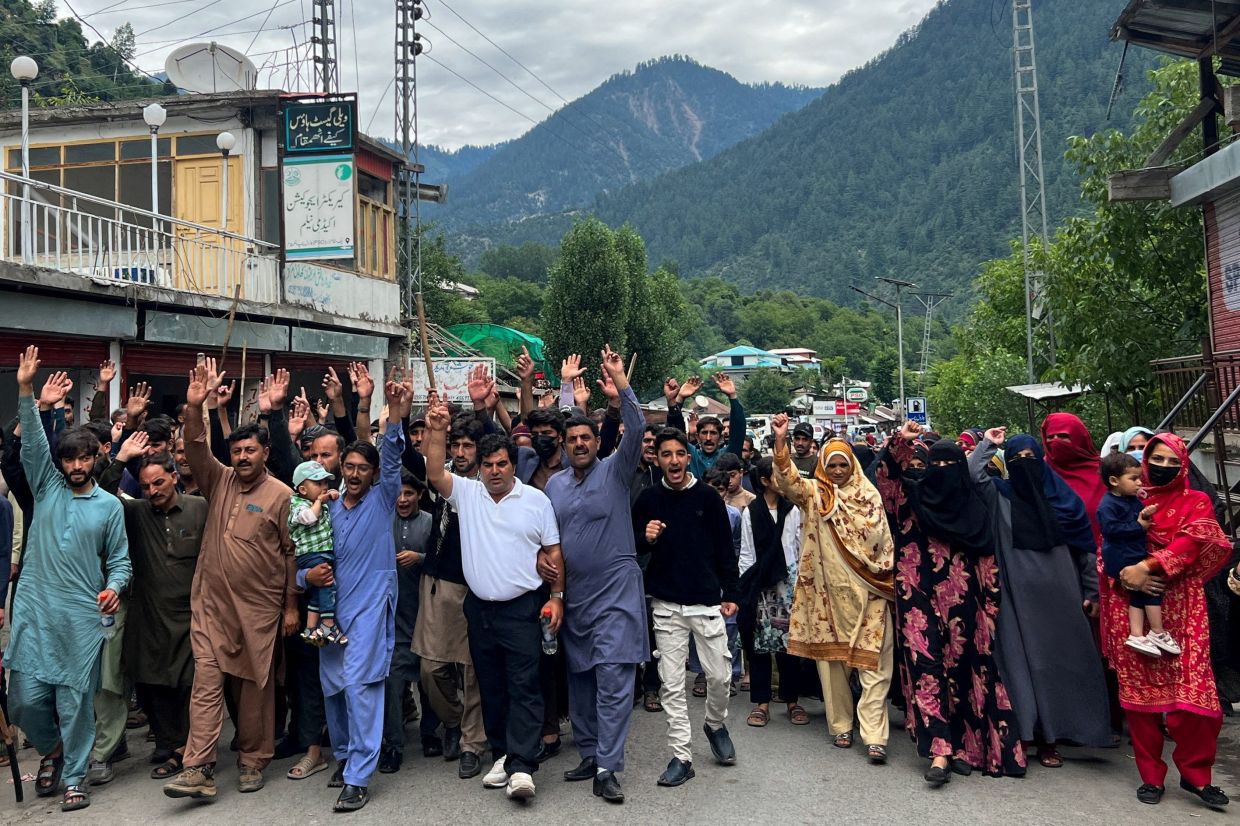
The United Nations has pressed Pakistan to launch comprehensive, independent investigations into the mounting death toll in its administered Kashmir territory, where escalating civil unrest has claimed dozens of lives ahead of crucial regional legislative elections scheduled for July 27. UN High Commissioner for Human Rights Volker Turk, speaking through his Geneva-based spokesman Jeremy Laurence, called for immediate calm in the strategically sensitive Himalayan region, signalling international concern over the deteriorating security situation during this politically fraught period.
The fatalities, which have accumulated since June according to UN documentation, include both civilian protesters and members of law enforcement caught in violent confrontations that have destabilised the region in the weeks before the assembly poll. Turk's office has explicitly demanded that Pakistani authorities conduct "prompt, thorough and impartial investigations" into every reported death, insisting that neither protesters nor security personnel should face justice without transparent, credible processes. This dual-focus approach reflects the UN's determination to ensure accountability extends across all parties involved in the clashes, rather than targeting only one side of the conflict.
The unrest centres on the Joint Awami Action Committee (JAAC), a grassroots anti-government coalition mobilised around demands for economic reform and improved governance in the territory. Despite being formally banned under Pakistan's anti-terrorism legislation just last month—a designation Pakistan justified on grounds of public order and security threats—JAAC supporters have defiantly sustained their protest momentum. The organisation's ability to maintain momentum despite its proscribed status underscores the depth of local grievances and the limited effectiveness of top-down suppression strategies in addressing underlying dissatisfaction.
For Malaysian and Southeast Asian observers, the Kashmir situation carries implications for how governments balance security concerns against civil liberties protections. The JAAC's ban, accompanied by stringent curbs on public assembly and association, illustrates how security frameworks can be weaponised to silence legitimate political discourse. The UN's pointed warnings about "criminalisation of civil society" resonate particularly in a region where several countries have similarly restricted protest rights under national security rubrics, creating a cautionary precedent about how emergency measures can harden into permanent governance features.
The UN human rights office has registered particular alarm over the detention of JAAC leadership figures, emphasising that fundamental due process guarantees remain non-negotiable even during security emergencies. Laurence stressed that detained leaders must retain access to legal counsel and family contact, with full transparency regarding charges and trial procedures. This intervention reflects broader international jurisprudence that criminalising dissent without robust procedural safeguards corrodes democratic legitimacy and typically intensifies rather than resolves underlying tensions.
Historical precedent reinforces these concerns. September's violent clashes between police and JAAC-affiliated protesters in the same region resulted in nine confirmed deaths, suggesting this current round represents an escalation rather than an isolated incident. The recurring nature of these confrontations indicates that sporadic crackdowns have failed to resolve the fundamental grievances animating the movement, instead perpetuating cycles of protest, repression, and renewed mobilisation. Such patterns appear evident across multiple contexts where authorities have attempted enforcement solutions to structurally rooted political problems.
Internet shutdowns implemented during the current unrest have drawn particular censure from the UN office, which characterised such restrictions as disproportionate infringements on freedom of expression and information access. Laurence warned that blocking connectivity during periods of heightened tension paradoxically amplifies suspicion and reduces authorities' capacity to communicate factual information, potentially fuelling misinformation and deepening polarisation. The UN's insistence on "full internet access throughout the territory" reflects recognition that digital communication has become essential infrastructure for civic participation and transparent governance.
Kashmir's geopolitical sensitivity—claimed entirely by both India and Pakistan yet partitioned between them since 1947—adds crucial context to understanding why these disturbances attract international attention. The Pakistani military and civilian government regard the region as strategically critical, particularly given historical military confrontations with India over territorial control. This security-first orientation, while comprehensible given strategic circumstances, can calcify into institutional reflexes that prioritise order over responsive governance, potentially making the population feel neglected and excluded from political processes.
Turk's call for "meaningful and inclusive political dialogue to address underlying issues and grievances" targets what international analysts increasingly recognise as the core problem: security-focused responses that ignore substantive economic and governance failures inevitably prove insufficient. Kashmir's population seeks tangible improvements in living standards, employment opportunities, and institutional accountability—objectives that security operations alone cannot deliver. Genuine resolution requires political engagement acknowledging local demands rather than treating them as security threats requiring suppression.
For Southeast Asian policymakers, the Kashmir situation offers instructive lessons about how to navigate legitimacy challenges. The UN's positioning—neither uncritically accepting government security claims nor romanticising protest movements—suggests that sustainable stability requires simultaneous commitments to both order and responsive governance. Addressing underlying grievances through transparent dialogue, protecting civil liberties even during security operations, and maintaining internet access as essential infrastructure represent practical measures that build institutional legitimacy rather than temporarily coercing compliance.
The July 27 election results will likely shape Pakistan's subsequent approach to Kashmir governance. Should the vote occur amid continued unrest and security restrictions, its legitimacy may face credibility questions, potentially delegitimising whatever government emerges. Conversely, a political transition offering genuine inclusion and responsiveness to local voices could interrupt current confrontational trajectories. The UN's intervention signals that the international community will scrutinise how Pakistan manages this critical juncture, with implications for global human rights standards and the precedents established for balancing security and civil liberties.

