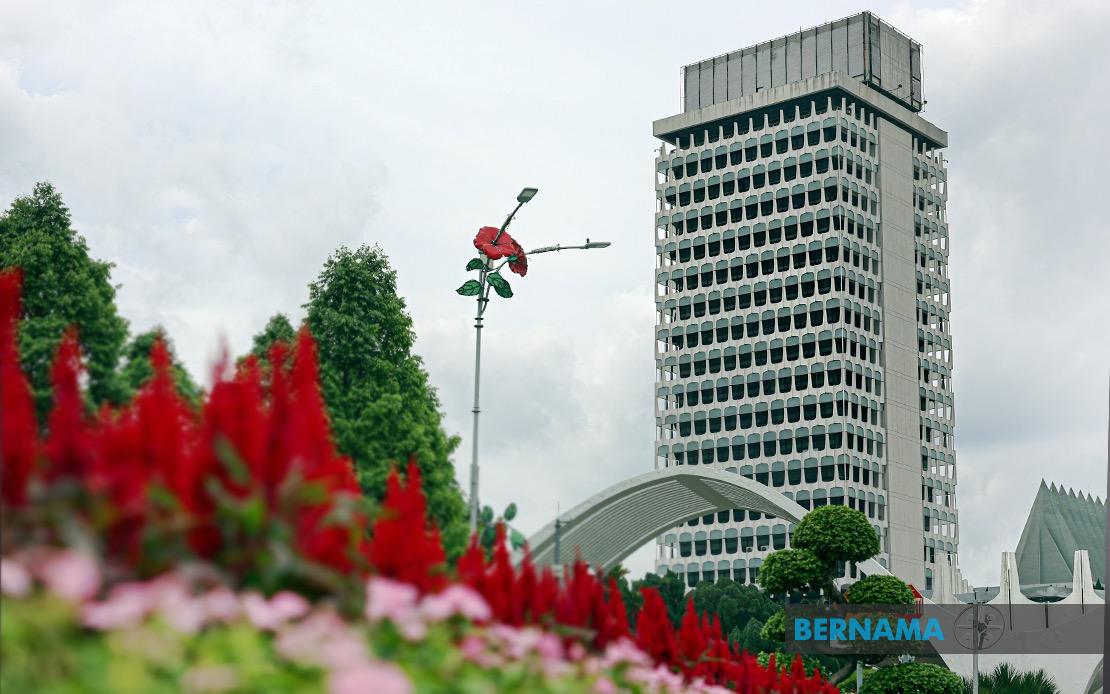
Parliament reconvenes today for a 16-day sitting that promises to scrutinise Malaysia's diplomatic positioning within global institutions and the government's readiness to confront emerging threats to national food supplies. The Dewan Rakyat agenda reflects growing regional anxieties about institutional reform at the United Nations and mounting pressures on agricultural production across Southeast Asia, issues that resonate beyond Malaysia's borders given the interconnected nature of regional trade and security.
The morning session will feature questioning on Malaysia's approach to reforming the UN Security Council, with particular emphasis on how the permanent members' veto power creates structural imbalances that marginalise mid-sized nations. Datuk Seri Sh Mohmed Puzi Sh Ali of the Pekan constituency has submitted a question seeking clarity on the government's strategic blueprint for championing systemic changes to the UN architecture. This inquiry signals parliamentary concern about Malaysia's capacity to amplify its voice in international forums where decisions affecting regional stability are made. The veto mechanism, concentrated among five permanent powers, has frequently prevented consensus on pressing humanitarian and security matters, a frustration Malaysia shares with dozens of other developing nations that lack equivalent influence despite bearing significant consequences of global decisions.
Simultaneously, lawmakers are demanding substantive answers on food security, a matter that has gained urgency following supply disruptions caused by regional conflicts and climate volatility. The Agriculture and Food Security Minister will face questioning from Shaharizukirnain Abd Kadir regarding the government's contingency planning for a projected food supply shortage. The query extends beyond emergency stockpiling to examine whether incentive schemes directed at agricultural states have successfully enhanced domestic self-sufficiency. Rising input costs linked to instability in West Asia have squeezed farmer margins across Malaysia, forcing policymakers to weigh whether current support mechanisms adequately cushion producers against external shocks or whether more aggressive intervention is necessary.
The government's reliance on foreign defence suppliers also comes under parliamentary scrutiny, with Datuk Awang Hashim raising concerns about how supply chain dependencies constrain the Malaysian Armed Forces' capacity to develop long-term strategic capabilities. This line of questioning addresses vulnerabilities exposed during recent global supply disruptions, where nations heavily dependent on single suppliers or distant manufacturing hubs experienced delivery delays and contract cancellations. For Malaysia, which must maintain deterrence capabilities in a region of strategic competition, over-reliance on foreign procurement creates strategic risk. The question implicitly asks whether the government has developed alternative sourcing arrangements or invested in domestic defence manufacturing to reduce exposure to supply interruptions that could compromise national security preparedness.
Green hydrogen development emerges as another strategic frontier in today's parliamentary discussion. Rodiyah Sapiee will interrogate the government's coordination mechanisms for aligning national energy policy with the nascent green hydrogen industry. She specifically seeks detail on cooperation frameworks with the Sarawak Government, which aspires to position itself as Southeast Asia's green hydrogen hub. This question reflects recognition that energy transition presents both economic opportunity and intergovernmental coordination challenges. Sarawak's substantial hydroelectric capacity and potential for renewable energy production make it a logical locus for hydrogen development, yet realising this potential requires harmonised policies, investment incentives, and technology partnerships across federal and state jurisdictions.
Parallel to these questions, the House will process seven government bills at first reading, including the Communications and Multimedia (Amendment) Bill 2026 and the Malaysian Communications and Multimedia Commission (Amendment) Bill 2026. These legislative instruments suggest the government is updating regulatory frameworks governing the digital and telecommunications sectors, possibly responding to technological change and consumer protection considerations. The Social Work Profession Bill 2026 signals parliamentary attention to professionalising social services delivery, a structural reform that Malaysian civil society has advocated for years. First reading represents the opening stage of parliamentary scrutiny, with substantive debate and amendment opportunities coming at subsequent stages.
The chamber will also resume deliberation on the Control of Paddy and Rice (Amendment) Bill 2026, with the relevant minister expected to conclude debate after further contributions from backbenchers and opposition members. This legislation directly connects to food security concerns raised in questioning, addressing how government regulates rice supply and pricing. Rice remains central to Malaysian food security and cultural identity, making amendments to its governance framework matters of genuine public interest and sectional concern, particularly among farming communities and rural constituencies.
The 16-day sitting duration indicates Parliament intends to address a substantial legislative agenda while providing adequate opportunity for detailed questioning and debate. The issues dominating today's proceedings—institutional reform at the international level, domestic food resilience, defence industrialisation, energy transition, and sectoral regulation—demonstrate Parliament's engagement with challenges spanning diplomatic strategy, economic security, and technological adaptation. For Malaysian policymakers and observers across Southeast Asia, today's session illustrates how smaller regional powers navigate between global institutional constraints and domestic development imperatives, seeking relevance in international forums whilst building self-sufficiency in critical sectors.

