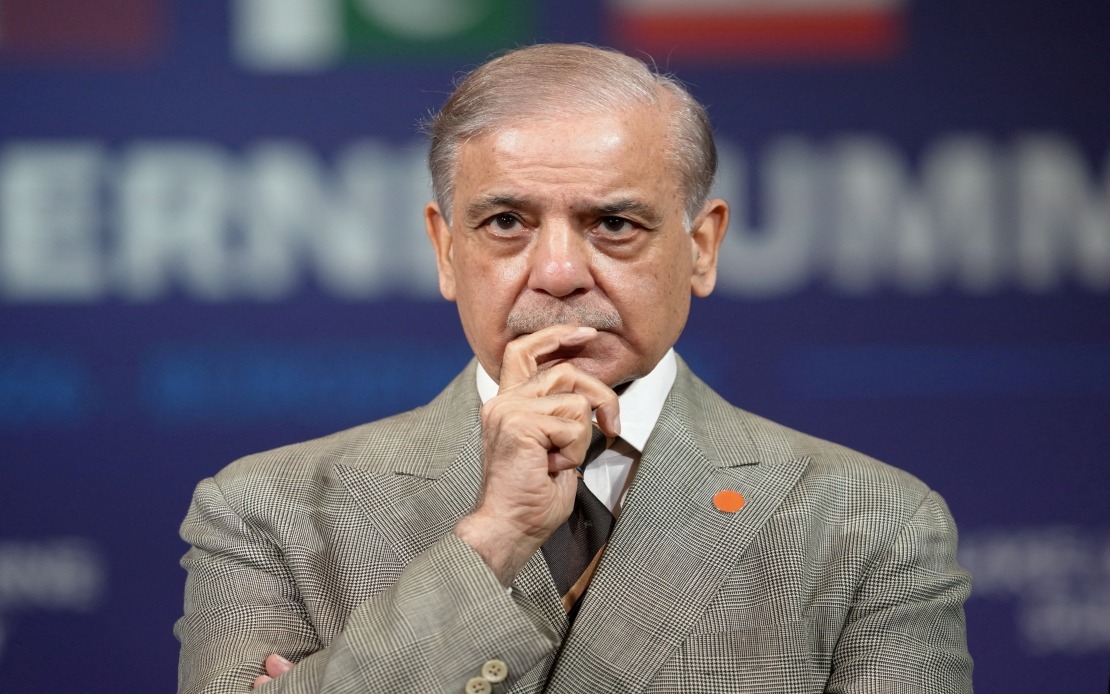
Pakistan's Prime Minister Shehbaz Sharif revealed on Tuesday that the United States and Iran have established a compressed timeline for resolving longstanding disputes, with both nations committing to technical-level discussions over the coming two months. Speaking to lawmakers in the National Assembly in Karachi, Sharif outlined an ambitious agenda encompassing nuclear proliferation concerns, Iran's ballistic missile capabilities, and billions in frozen Iranian assets held overseas. The announcement follows what he characterized as "successful" negotiations held in Switzerland, signalling tentative momentum in one of the world's most intractable geopolitical standoffs.
The 60-day deadline forms the backbone of the Islamabad Memorandum of Understanding, which the United States and Iran formally signed on June 17, with Pakistan serving as a key mediator alongside Qatar. Sharif expressed hope that this initial accord would crystallize into a permanent settlement by late August, though he acknowledged the complexity of translating political goodwill into binding legal frameworks. The inclusion of three distinct issue areas—nuclear development, weapons systems, and asset unfreezing—underscores the multifaceted nature of the dispute and the need for simultaneous progress across multiple fronts.
For Malaysia and other Southeast Asian nations, the implications extend beyond bilateral US-Iran relations. The region has watched nervously as American-Iranian tensions have periodically disrupted global oil markets and shipping lanes, particularly through the Strait of Hormuz, through which much of the world's petroleum supply flows. Any genuine de-escalation would ease geopolitical uncertainty and potentially stabilize energy prices at a time when many developing economies struggle with inflation. The mediation role played by Pakistan and Qatar also underscores how regional powers have stepped into spaces where traditional Western diplomacy has faltered.
However, significant obstacles remain. Iran's Foreign Ministry swiftly countered the narrative of comprehensive negotiations, with spokesman Esmaeil Baghaei insisting that ballistic missiles have never featured in discussions with Washington. This discrepancy between Sharif's public statements and Tehran's official position suggests either miscommunication or deliberate messaging strategies designed to satisfy different domestic audiences. For observers in Southeast Asia accustomed to careful diplomatic language, the gap between Pakistani optimism and Iranian caution warrants scrutiny.
The frozen assets question carries particular urgency. Tens of billions of dollars in Iranian funds held in foreign banks remain inaccessible due to international sanctions, creating severe economic strain on Iran's domestic population. The United States views asset unfreezing as a bargaining chip, while Iran considers it a matter of fundamental justice. Resolution requires not only bilateral agreement but also coordination among multiple countries hosting Iranian funds, making the negotiation architecture even more complex than bilateral talks suggest.
Perhaps most contentious is the nuclear dimension. Iran maintains that its nuclear programme serves exclusively civilian energy purposes, while the United States and its allies harbour persistent suspicions about military applications. Baghaei's statement that Iran will not permit International Atomic Energy Agency inspectors access to facilities allegedly targeted during alleged US-Israeli military strikes reveals how deep mistrust runs. Any credible agreement would necessitate unprecedented transparency measures, yet Iran appears reluctant to compromise on national sovereignty regarding sites it considers military installations rather than nuclear facilities.
The Switzerland talks, held in Burgenstock, concluded early Monday with representatives hammering out procedural mechanisms designed to facilitate future negotiations. Both delegations apparently achieved sufficient common ground to justify continuing discussions, though concrete agreements on substantive issues remained elusive. The involvement of Pakistani and Qatari mediation lends credibility to ongoing efforts, as both nations have maintained working relationships with Tehran despite sanctions and possess the diplomatic infrastructure to facilitate backchannel communications.
For Pakistan specifically, successful mediation offers an opportunity to enhance its international standing. Following years of economic hardship and geopolitical marginalization, brokering a major diplomatic breakthrough could elevate Prime Minister Sharif's profile domestically and internationally. However, the risk of failure also looms large; if negotiations collapse within 60 days, Pakistan could face accusations of enabling false hopes or misrepresenting the parties' actual positions.
The regional context deserves consideration. The broader Middle East remains volatile, with ongoing conflicts in Gaza, Yemen, and Syria complicating any bilateral agreement between Washington and Tehran. Israeli security concerns about Iranian nuclear advancement add another layer, as do the interests of Saudi Arabia and other Gulf states that view Iranian power projection with alarm. A purely bilateral agreement between the US and Iran, divorced from regional security architecture, may prove insufficient to create durable peace.
The Malaysian government and other ASEAN members would benefit from close monitoring of these negotiations. The bloc's collective economic interests depend on stable energy markets and unobstructed maritime commerce. Additionally, the diplomatic precedent established through Pakistan and Qatar's mediation offers lessons for managing other regional disputes where traditional great-power diplomacy has stalled. If successful, the Islamabad process could demonstrate that smaller powers can play meaningful roles in resolving major international conflicts.
Sharif's framing of the next 60 days as potentially transformative reflects both hope and realism. Transforming decades of animosity into a comprehensive agreement within two months remains extraordinarily difficult, yet the commitment to intensive technical discussions represents a tangible shift from previous patterns of deadlock and accusation. Whether this window of opportunity translates into lasting resolution or merely delays inevitable confrontation depends on whether both sides view compromise as preferable to continued confrontation.

