A federal appeals court in New Orleans has halted enforcement of a contentious Texas law designed to protect children from harmful online content, dealing a significant blow to state efforts to regulate social media platforms and raising fresh questions about the boundaries of digital safety legislation across America. The 5th U.S. Circuit Court of Appeals issued a divided 2-1 decision on Friday blocking the monitoring and filtering requirement embedded in Texas' Securing Children Online through Parental Empowerment Act, commonly known as the SCOPE Act or Texas House Bill 18, which took effect in September 2024.
The ruling hinges on a decades-old federal statute that has become a flashpoint in the ongoing clash between state governments and technology companies over online content moderation. Section 230 of the Communications Decency Act, a provision enacted in 1996 during the early internet era, grants broad immunity to social media and web platforms against liability for content posted by their users. Industry groups including the Computer & Communications Industry Association and NetChoice—which represent major players such as Amazon, Google, Meta Platforms (Facebook and Instagram), and others—successfully argued that this federal shield preempts Texas' attempt to impose state-level content filtering requirements.
The Texas law had required social media operators to actively monitor and filter material that promotes, glorifies, or facilitates a range of harmful behaviours including self-harm, suicide, eating disorders, substance abuse, stalking, bullying, and sexual abuse. For Malaysian readers familiar with similar concerns about online safety in Southeast Asia, the tension here reflects a broader regional struggle: how can governments protect vulnerable users, particularly young people, without granting platforms unchecked editorial control or creating conditions for censorship. The SCOPE Act represented one state's attempt to navigate this fraught middle ground by imposing affirmative duties on platforms rather than simply restricting speech.
Circuit Judge Dana Douglas, writing for the majority, acknowledged the uncomfortable reality that Section 230 might function as a "get-out-of-jail-free card" sheltering the industry from all but the most severe consequences of how their products operate. Yet the judge concluded that federal law, as currently written, prevents Texas from conscripting private companies into serving as state censors, regardless of how noble the underlying public health objective. This reasoning reflects the longstanding judicial interpretation that Congress, not individual states, holds authority to modify Section 230 protections—a position that has frustrated policymakers nationwide.
The decision was not unanimous. Circuit Judge James Ho issued a partial dissent, arguing that the Texas law regulates platform curation practices rather than the publication of user-generated content itself. In Ho's view, the distinction matters constitutionally: a requirement that platforms curate their algorithms and filter mechanisms differently represents regulation of the platform's own conduct, not suppression of third-party speech. This dissent points toward an alternative legal framework that some scholars and regulators believe could survive constitutional scrutiny, though it remains untested.
The appeals court did uphold one element of the Texas legislation: an age-verification requirement. This suggests the court recognizes some permissible space for state regulation of online platforms, even if direct content-filtering mandates cross a constitutional line. The ruling also addressed a procedural matter, determining that Students Engaged in Advancing Texas, a nonprofit group that had joined the lawsuit opposing the SCOPE Act, lacked legal standing to challenge the law. These narrower holdings indicate the court's willingness to validate certain regulatory approaches while rejecting others.
For the technology industry, the decision represents a clear victory. Matthew Schruers, chief executive of the Computer & Communications Industry Association, characterized the ruling as confirmation that "federal law bars Texas from impressing websites and services into the role of state censors." Paul Taske, director of the NetChoice Litigation Center, framed the outcome as protecting Texans' freedom to control their own online experience. Such rhetoric, common among industry representatives, emphasizes digital liberty and warns against government overreach, though critics contend it deflects from legitimate questions about whether private platforms adequately protect users from demonstrable harms.
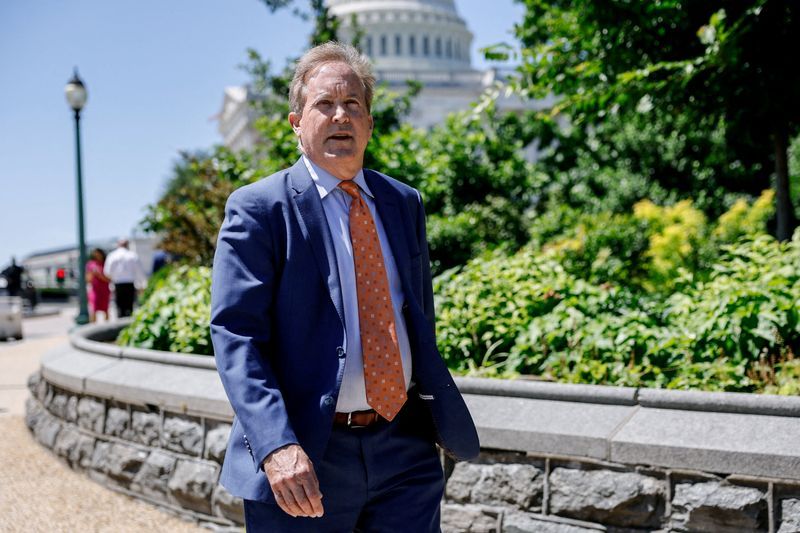
This decision arrives amid broader litigation over how states can regulate social media in the service of child protection. In March, a separate federal appeals court substantially voided an injunction that had blocked California from enforcing its Age-Appropriate Design Code Act, which pursues child safety through different mechanisms. These competing rulings across different circuit courts create legal uncertainty and suggest the issue will eventually require clarification by higher authority. Texas Attorney General Ken Paxton, who defended the SCOPE Act, did not immediately comment on Friday's decision. Notably, Paxton is the Republican nominee for a U.S. Senate seat in November's election, making online regulation policy a potential campaign issue.
The broader implications for Malaysian and Southeast Asian policymakers merit consideration. Tech companies operating across the region have similarly resisted content-moderation mandates, arguing that local liability requirements conflict with their global business models and platform design decisions. Yet the Texas case demonstrates that even in America, with its strong First Amendment protections, courts have sided with platforms on questions of mandatory content filtering. Jurisdictions considering analogous legislation must grapple with whether Section 230-style immunity exists locally and, if not, whether courts would impose similar constitutional barriers.
The Texas SCOPE Act reflected genuine parental and public health concerns: children do experience measurable harms from exposure to content promoting self-harm, eating disorders, and bullying. The question the courts have left largely unanswered is whether Section 230 reform, rather than state-by-state regulation, represents the proper avenue for addressing these harms. Congressional action would presumably carry greater weight and could clarify the relationship between platform immunity and platform responsibility, but such reform remains politically contentious. Until the legal landscape shifts, states like Texas face an uphill battle in imposing affirmative content-monitoring duties on social media platforms, even when motivated by child safety imperatives.

