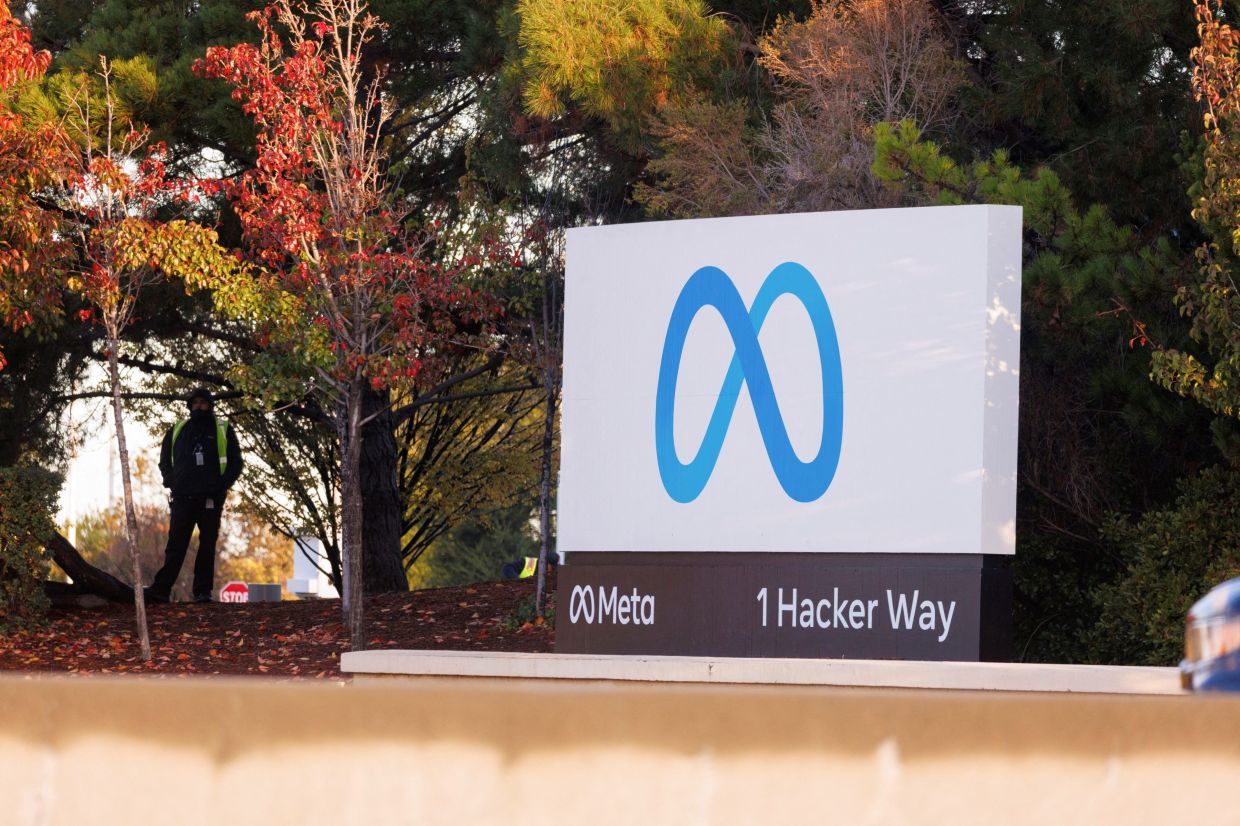
A United States federal judge has determined that Meta deliberately destroyed or permitted the loss of crucial evidence in a case brought by an Australian mining tycoon alleging the company profited from cryptocurrency scams bearing his image. Judge P. Casey Pitts ruled that Meta's conduct constituted gross negligence in managing data that would be central to establishing whether the technology firm bears liability for the deceptive content distributed across its platforms.
The case represents a significant challenge to Meta's traditional legal shield under Section 230 of the Communications Decency Act, a 1996 statute that has long protected internet companies from responsibility for user-generated content. However, the destroyed data could potentially undermine Meta's reliance on that protection by demonstrating the company actively manipulated and personalised the fraudulent advertisements before they reached users, transforming Meta from a passive platform into an active participant in the scheme.
Since 2019, thousands of deceptive advertisements have appeared on Facebook weaponising the Australian billionaire's image to lure victims into cryptocurrency investment scams. The scale of the fraud has been substantial, with the lawsuit documenting thousands of people defrauded through these fake investment schemes. What distinguishes this case from typical content moderation failures is the plaintiff's allegation that Meta's artificial intelligence systems deliberately optimised and refined these fraudulent ads to maximise their reach and effectiveness before distribution.
Meta's legal team has contended that discovering the relevant data within its own systems required two years, a timeline Judge Pitts found implausible. In his ruling, the judge stated bluntly that it was unreasonable for Meta to claim it needed such an extended period to locate information stored in its own technological infrastructure. This scepticism reflects the broader judicial frustration with technology companies' claims of limited knowledge about their own systems—a tension that has become increasingly pronounced as tech firms have faced scrutiny over their operational transparency.
Crucially, Pitts stopped short of finding deliberate destruction with intent to harm, instead characterising Meta's conduct as gross negligence. This distinction matters for the litigation trajectory, as proving intentional evidence destruction would carry more severe implications for the company's legal and reputational position. Nevertheless, gross negligence findings can still support adverse inferences that allow courts to treat destroyed evidence as supporting the plaintiff's claims, potentially strengthening the tycoon's argument.
The destroyed or missing data holds extraordinary significance for the plaintiff's legal strategy. If recovered or reconstructed, this information would ostensibly demonstrate how Meta's proprietary tools reshaped, refined, and personalised the cryptocurrency scam advertisements. Such evidence would directly contradict Meta's immunity argument by showing the company functioned as something far more than a neutral conduit for user content—instead revealing an active role in enhancing fraudulent material's effectiveness and reach.
For Malaysian and regional readers, this case carries implications beyond a single dispute. Meta's dominance in Southeast Asian markets means that questions about its responsibility for fraudulent content distributed through Facebook and Instagram directly affect millions of users across Malaysia, Singapore, Indonesia, Thailand, and neighbouring countries. Each of these markets has experienced similar problems with scam advertisements exploiting local figures' likenesses, yet enforcement has remained inconsistent and frequently inadequate.
The lawsuit remains in preliminary phases, with Meta expected to petition Judge Pitts to dismiss the entire case based on Section 230 immunity protections before year's end. This motion will likely prove decisive, as the company's legal strategy relies heavily on establishing that the statute shields it from liability regardless of the evidence concerning its platform's role in distributing fraudulent content. The upcoming hearing will test whether courts increasingly view Section 230 as inapplicable when platforms actively participate in shaping the very content that statute purportedly protects.
Meta's legal position has already weakened considerably on multiple fronts. The Massachusetts Supreme Judicial Court previously ruled that Section 230 does not protect Meta from a state lawsuit alleging Instagram's design deliberately incorporates addictive features targeting children. Additionally, juries in Los Angeles and Santa Fe, New Mexico have found Meta liable for causing harm to minors on its platforms. These decisions suggest growing judicial willingness to pierce Meta's traditional immunity shield when evidence demonstrates active participation in harmful outcomes.
The case reflects a broader reckoning with how technology platforms should be held accountable for content amplification and algorithmic promotion. Traditional Section 230 jurisprudence treated platforms as neutral infrastructure, but modern internet architecture involves sophisticated algorithmic curation that determines which content reaches which audiences. The question increasingly animating courts worldwide is whether that active role in shaping information distribution fundamentally differs from the passive hosting that Section 230 was originally designed to protect.
For Meta, this case threatens to establish a precedent that its artificial intelligence tools' involvement in refining and personalising content—even user-generated content—constitutes sufficient active participation to overcome immunity claims. If upheld, such a determination would represent a watershed moment in platform liability, potentially reshaping how technology companies operate across multiple jurisdictions. The decision could influence regulatory approaches in Malaysia and Southeast Asia, where platforms currently operate with minimal accountability for fraudulent content distributed through their systems.
The stakes extend beyond this single Australian businessman's dispute. Thousands of victims across multiple continents have lost money to cryptocurrency scams using hijacked identities and images promoted through Meta's platforms. Establishing that Meta's algorithmic tools enhanced these scams' effectiveness could open pathways for collective litigation and regulatory intervention that would fundamentally alter how the company operates. As the preliminary hearing phase continues toward the end-of-year motion hearing, courts will grapple with whether Section 230 can continue shielding platforms that actively amplify fraudulent content through algorithmic personalisation.

