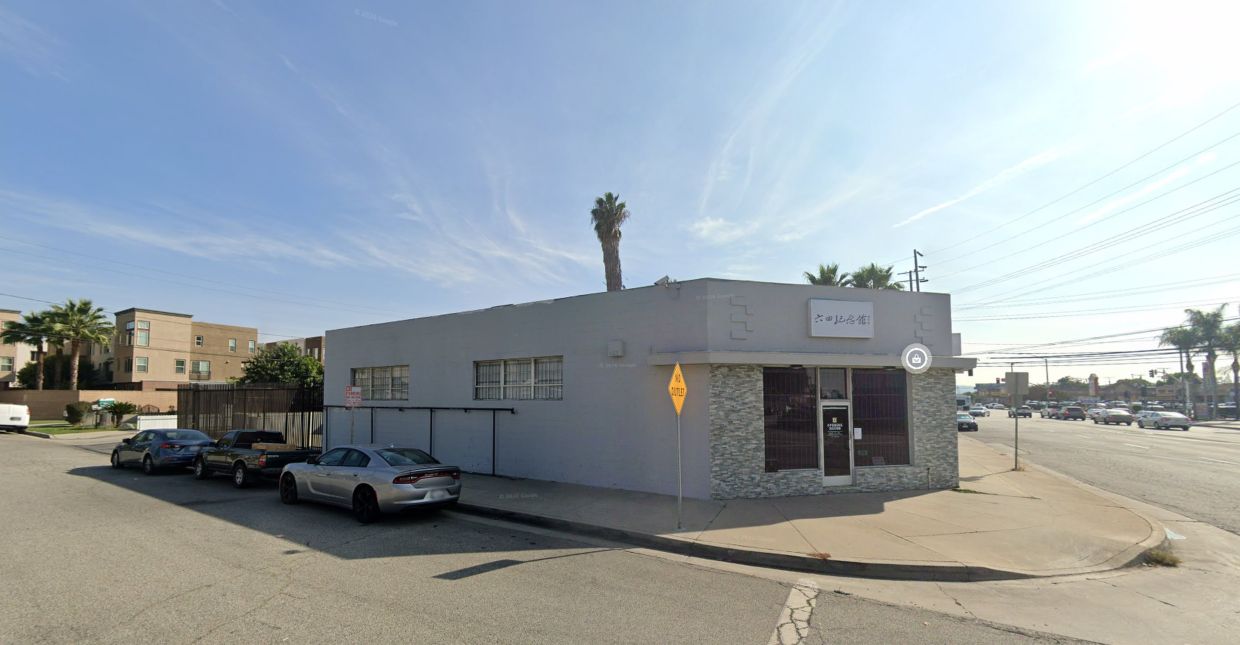
Two prominent Republican lawmakers have formally requested the US Justice Department and FBI conduct a comprehensive investigation into a break-in at a museum in El Monte, California, that commemorates the 1989 Tiananmen Square incident. John Moolenaar, chairman of the House Select Committee on China, and Christopher Smith, co-chairman of the Congressional-Executive Commission on China, delivered a three-page letter to federal authorities on Thursday, arguing that the incident threatened the rights of Chinese diaspora communities seeking refuge in the United States.
The June 4th Memorial Museum, which opened in 2023, reported that intruders broke into its El Monte location on May 31—strategically timed just days before the anniversary of the Tiananmen events. According to the museum's own statement, the perpetrators spray-painted walls and exhibits, damaged property, and deliberately disabled the facility's surveillance system. Photographs circulated online showed distinctive orange paint marks across framed newspaper articles and commemorative displays. The museum's management issued a firm statement condemning those responsible and pledging to pursue legal action, while simultaneously declaring their resolve not to be intimidated by the incident.
The museum's suspicion of what it termed "transnational repression" reflects growing concerns among China-focused observers in the United States about coordinated efforts to suppress advocacy related to sensitive historical events. The facility, originally established in New York, had relocated to Los Angeles to reduce operational costs—a decision that has thrown its vulnerability into sharper relief following the vandalism. As a non-profit organization reliant on crowdsourced donations and civil society funding, the museum has struggled to maintain its mission while operating with limited resources. Online fundraising efforts, initially targeting US$2 million, had raised approximately US$500,000 by 2023, highlighting the grassroots nature of support for such commemorative spaces.
In their letter to federal authorities, Moolenaar and Smith explicitly requested that the Justice Department's Los Angeles Field Office and National Security Division coordinate with local police to determine whether the attack had been coordinated, encouraged, supported, or carried out by individuals acting on behalf of, or in sympathy with, the People's Republic of China or the Chinese Communist Party. This framing elevates the incident from a simple property crime to a potential matter of national security concern, reflecting broader anxieties about foreign interference in domestic American spaces.
The El Monte police department has confirmed that it opened a case and launched an investigation following the break-in. Museum officials stated they had gathered certain clues and points of doubt, pledging to work actively with local law enforcement to resolve the matter. However, neither the local police nor the Justice Department immediately provided substantive details regarding the scope or preliminary findings of their investigations. The lack of swift official response underscores the complexity of pursuing such cases, particularly when potential state actors may be involved.
The House Select Committee on China, which Moolenaar chairs, was formally established in January 2023 as part of broader congressional efforts to address US economic and security competition with China. The committee operates within a bipartisan framework designed to examine strategic challenges posed by Beijing's rise. Alongside it, the Congressional-Executive Commission on China, established in 2000 following Beijing's entry into the World Trade Organization, serves as an independent agency tasked with monitoring human rights and rule of law developments on the mainland. While neither body possesses direct legislative authority, both can investigate matters, submit policy recommendations, and advise Congress on China-related issues.
Beijing's typical response to such congressional activities has been dismissive and sharply critical. Chinese officials have repeatedly characterized bodies like the Select Committee and the Congressional-Executive Commission as "political tools with zero credibility," accusing them of operating from a "Cold War mentality" and "ideological bias." The Chinese embassy in Washington did not immediately respond to requests for comment regarding the California museum incident, maintaining a studied silence that itself signals the political sensitivity of the matter.
The timing of the vandalism carries symbolic weight within diaspora communities and human rights circles. The anniversary period surrounding June 4th typically witnesses intensified activism and commemorative activities among Chinese exiles and democracy advocates throughout North America and beyond. By targeting the museum days before this significant date, the perpetrators—whether acting independently or under direction—appeared to aim for maximum psychological impact on communities for whom the Tiananmen events remain deeply traumatic and politically charged.
For Southeast Asian observers and policymakers, the incident carries implications beyond its immediate California context. Many nations in the region harbor significant Chinese diaspora populations and have witnessed similar patterns of alleged suppression targeting sensitive historical narratives and political advocacy. The willingness of US lawmakers to pursue federal investigation into such matters signals a broader commitment to protecting spaces where marginalized political voices can operate freely, a principle with relevance for democracies throughout Asia grappling with similar transnational pressures.
The museum's determination to continue operations despite the intimidation reflects broader resilience among diaspora communities committed to preserving historical memory and advocacy. However, the incident underscores the vulnerability of small, underfunded cultural and commemorative institutions operating without government protection or substantial endowments. As these spaces become flashpoints in larger geopolitical competitions, questions arise about how democratic societies can effectively protect freedom of expression while investigating potential foreign interference—a delicate balance that will likely shape policy conversations in Washington and beyond for months ahead.

