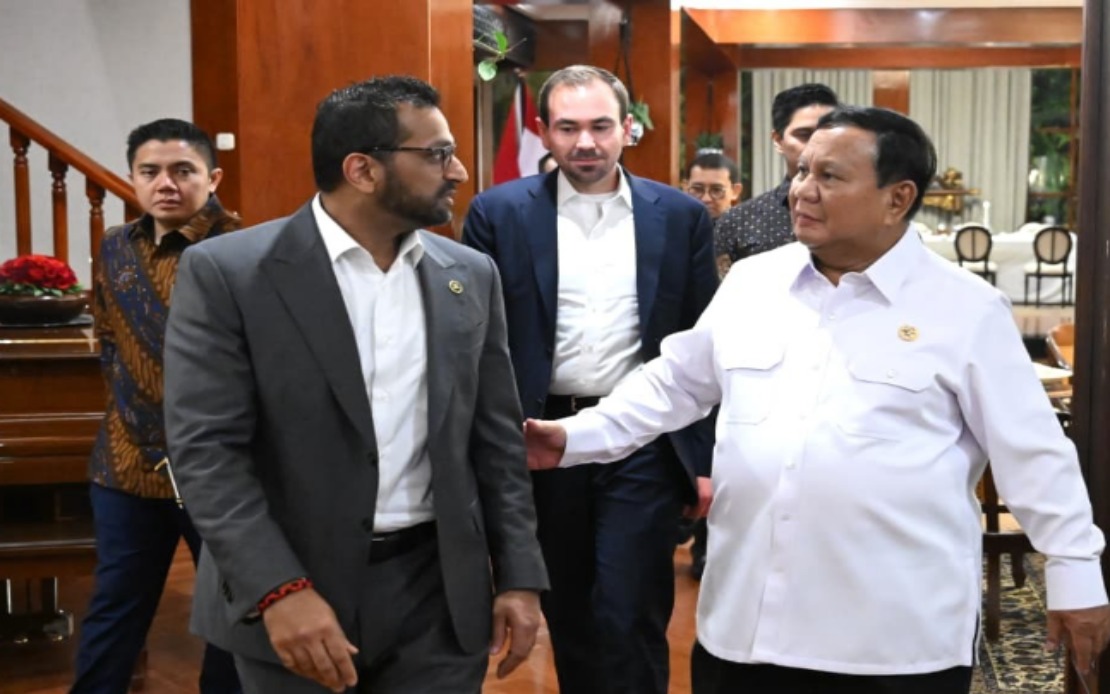
The United States Federal Bureau of Investigation has delivered a collection of Indonesian cultural artefacts that were illegally transported overseas, signalling a deepening commitment to international collaboration on cultural restitution. FBI Director Kash Patel personally presented the recovered items to Indonesian President Prabowo Subianto during a formal visit to the Presidential Palace in Jakarta on Wednesday, underscoring the significance both nations attach to the recovery of stolen heritage.
Indonesian Culture Minister Fadli Zon seized the occasion to emphasise his government's determination to strengthen the partnership with American law enforcement in retrieving and restoring cultural property. Speaking through the Presidential Secretariat, Zon indicated that the returned artefacts represented merely the latest chapter in an ongoing effort to combat the illicit trade in Indonesian cultural goods, a problem that has plagued the nation for decades. He outlined plans for the State Secretariat and Ministry of Foreign Affairs to deepen their engagement with the FBI on this critical issue, suggesting that systematic coordination machinery is being developed to handle future cases.
The repatriated collection originates from Indonesia's eastern regions, specifically from Papua, where some of the archipelago's most distinctive and culturally significant communities reside. The artefacts encompass objects belonging to the Dani and Asmat peoples, renowned throughout the world for their sophisticated artistic traditions, as well as items from communities situated around Lake Sentani, a region celebrated for its unique material culture. These communities represent distinct cultural ecosystems with centuries-old traditions in sculpture, weaving, and decorative arts, making the recovery of their heritage objects a matter of profound importance to their descendants and to Indonesia's broader national identity.
What elevates this repatriation beyond a routine bureaucratic transaction is the comprehensive provenance research that preceded the handover. Indonesian authorities, working in conjunction with FBI investigators, conducted detailed investigations to establish that the artefacts had been unlawfully extracted from their original contexts and trafficked into the United States market. This methodical approach to authentication and documentation reflects international best practices in cultural heritage recovery and sets a precedent for how such cases should be handled. The rigorous examination of each object's history demonstrates that both governments take seriously their obligations under international conventions governing cultural property.
For Indonesia, the return of these objects carries symbolic weight beyond their material or artistic value. The recovery represents what Culture Minister Zon characterised as an assertion of cultural sovereignty, a reclamation of the nation's right to preserve and control its own historical narrative. In a region where colonial legacies and the ongoing effects of historical exploitation remain sensitive subjects, the successful retrieval of artefacts from foreign hands validates Indonesian insistence that cultural property belongs in the communities and museums of its origin. This principle resonates across Southeast Asia, where multiple nations have pursued similar repatriation campaigns against Western institutions.
The FBI's role in this endeavour reveals an important evolution in American law enforcement priorities. The bureau's cultural property crime investigation unit has become increasingly sophisticated in tracking and recovering stolen heritage, recognising that the illicit antiquities market represents a significant component of transnational organised crime networks. By allocating resources to this domain, the FBI demonstrates that the United States takes its responsibilities seriously as both a market destination for smuggled goods and as a signatory to international cultural protection protocols. Director Patel's personal involvement in the handover ceremony suggests that this partnership enjoys high-level support within the American government.
Indonesia's experience with cultural smuggling mirrors challenges faced throughout Southeast Asia and the developing world. Wealthy collectors in developed nations, often acting through intermediaries and auction houses, have created sustained demand for artefacts from indigenous communities. Archaeological sites have been systematically looted, and museum storerooms in colonial-era institutions have been raided. The Asmat and Dani artefacts now being returned represent objects that might have disappeared forever into private collections had law enforcement not intervened. Each successful recovery therefore prevents not only the loss of material heritage but also the severing of cultural continuity for living communities.
The government's decision to display the repatriated artefacts at the National Museum reflects a commitment to public education and democratic access to cultural heritage. Rather than consigning the objects to secure storage or restricted archival conditions, making them available for broad viewing ensures that Indonesians and international visitors can engage directly with the material culture of Papua's indigenous populations. This approach transforms repatriation from a behind-the-scenes diplomatic achievement into a visible affirmation of cultural pride, allowing the artworks themselves to tell stories about their makers and communities.
Looking ahead, the framework established through this collaboration offers a template for addressing the substantial backlog of smuggled Indonesian artefacts believed to be circulating in international markets and private collections. Zon's explicit statement that cooperation will expand suggests that both governments intend to develop systematic mechanisms for identifying, investigating, and recovering additional objects. This might include training initiatives, intelligence sharing protocols, and formalised channels for investigating major art crimes. For Malaysia and other Southeast Asian nations facing similar challenges, the success of the Indonesia-FBI partnership may provide incentive to pursue comparable arrangements with American authorities and other countries hosting significant collections of regional heritage.
The underlying significance of this moment transcends the immediate repatriation. It demonstrates that persistent diplomatic engagement and institutional cooperation can yield tangible results in combating cultural crimes. As global awareness of heritage looting grows and source nations increasingly assert their repatriation claims, the precedent set by robust law enforcement cooperation becomes increasingly valuable. Indonesia's approach, combining diplomatic channels with investigative rigour and public commemoration of recovered heritage, offers a model that acknowledges both the practical realities of international cooperation and the deeper imperatives of cultural justice that resonate throughout the region.

