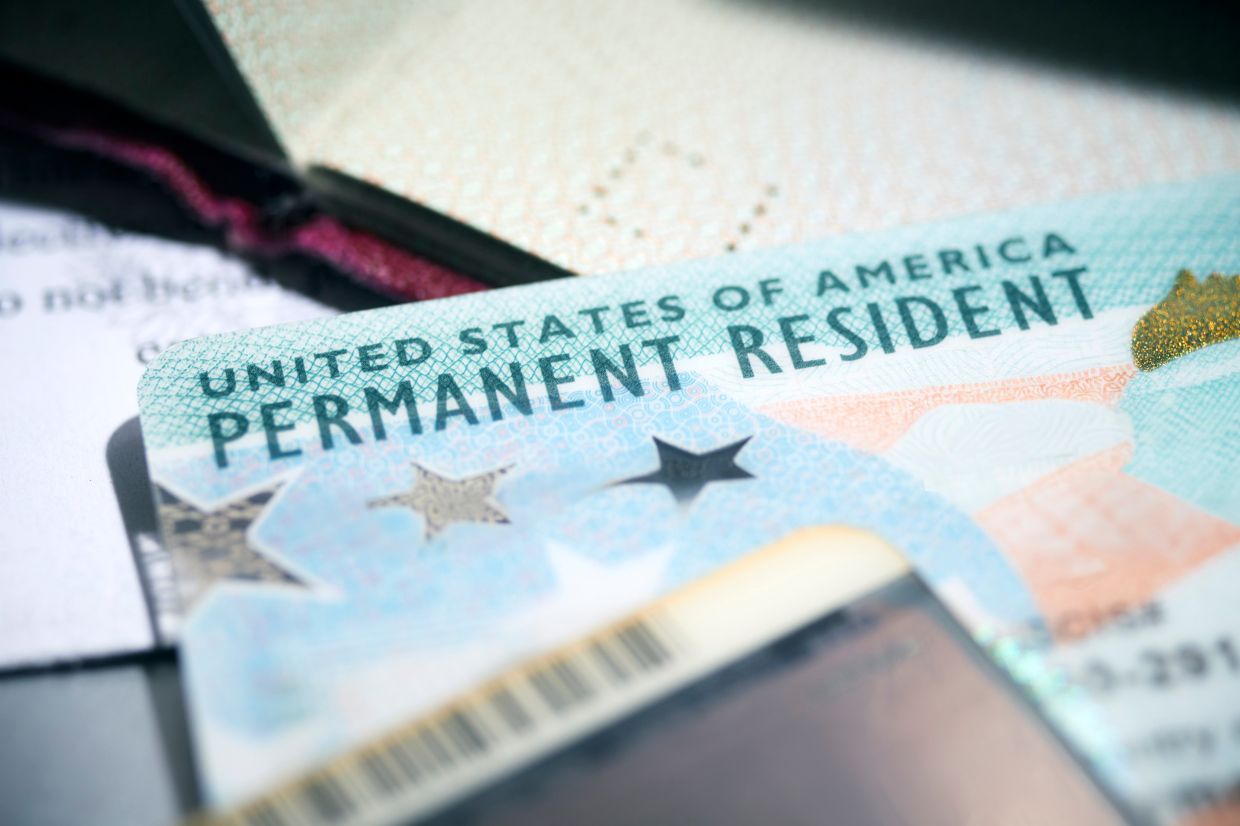
American embassies and consulates across the globe have implemented a temporary halt on immigrant visa interviews, requiring officers to receive training on a more stringent evaluation of whether visa applicants might become dependent on public benefits—a criterion known as the "public charge" test. This operational pause emerged shortly after a federal court invalidated a separate policy that had blocked entry from 75 countries, revealing an administration intent on restricting immigration pathways through multiple simultaneous mechanisms.
The State Department has mandated that immigration officers apply this assessment "comprehensively and consistently," signalling a departure from previous standards. While the underlying factors used to evaluate applicants—including age, health, family composition, financial resources, educational attainment, professional skills and employment prospects—are not recent inventions, the new directive explicitly instructs officers to wield these criteria more forcefully. In certain cases, this includes demanding public charge bonds from applicants, a financial guarantee mechanism that adds another barrier to approval.
Experts watching these developments paint a troubling picture for would-be immigrants. Sarah Pierce, who directs social policy research at Third Way and previously analysed immigration cases for US Citizenship and Immigration Services, characterised the Trump administration's execution as "the most disruptive possible way to roll this out." Charles Kuck, an immigration attorney based in Atlanta who has defended over 100 students against recent immigration policy changes, observed that officers are receiving explicit training "on how to deny cases under public charge rules." He warned that family-sponsored immigrants would encounter substantially greater obstacles, and that diversity visa lottery applicants would similarly suffer from the stricter interpretation.
For Malaysian readers and other Southeast Asian nationals awaiting visa interviews, the practical consequences are immediate and severe. Interviews that have been cancelled do not automatically invalidate previously approved petitions or erase a priority date in the queue, according to Pierce. However, the delays themselves inflict real hardship on applicants who have already made irreversible life decisions—booking flights home, selling property, or undergoing required medical examinations. The State Department has provided no timeline for when regular interview scheduling will resume, leaving families in legal and financial limbo.
The timing proves particularly damaging for diversity visa holders, who face strict statutory deadlines. Diversity visas must be allocated by September 30, the end of the American fiscal year, meaning applicants cannot afford extended delays without risking their entire category eligibility. Kuck emphasised that people still requiring visa stamps outside the United States face the most acute exposure, as the interview freeze directly prevents them from completing their immigration journey.
It is important to clarify that this freeze specifically targets green card interviews conducted abroad. Work visas for skilled professionals, student visas and tourist visas remain unaffected by the current suspension. Nevertheless, Kuck noted that the "public charge" provision could theoretically extend to non-immigrant visa categories as well, though evidence suggests it currently applies primarily to those seeking permanent residence. The H-1B visa programme, heavily utilised by technology companies and multinational corporations across Malaysia and Southeast Asia, faces different pressures—a proposed increase in visa fees to USD103,000 and changes to the lottery system, though these mechanisms have not yet taken effect.
For applicants in Southeast Asia whose interviews have been cancelled, immigration lawyers counsel remaining in home countries until rescheduling occurs. Leaving one's home country without maintaining a valid return visa creates severe jeopardy. Those holding work permits that permit re-entry may be in a stronger position, but most cancellation recipients lack such protection. Kuck's blunt assessment: "They should remain in their home country until the interview is reset." This advice directly impacts the thousands of Malaysians, Singaporeans, Indonesians and others awaiting green card interviews across visa categories.
Those already in the United States on valid status should take extraordinary care before international travel, as returning may require navigating the same restrictive "public charge" evaluation. Kuck cautioned against any unnecessary departure, saying no one should leave unless facing a genuine emergency. Even holders of approved petitions for specialised visa categories—such as the O-1 visa for individuals with extraordinary ability—should reconsider international trips that require obtaining a consular stamp abroad. The risks of bureaucratic complications have multiplied substantially under the current enforcement environment.
Immigration officers retain authority to challenge existing approvals if they uncover fraud, identify material changes in circumstances, or spot clear administrative errors in applications. When consular officers return files to USCIS citing such concerns, the immigration service makes the final determination on whether to reapprove. Applicants should ensure they thoroughly understand what information has been submitted on their behalf and avoid speculating when questioned about documentation they do not recall. Pierce's pragmatic counsel: "don't guess when an officer asks about something you don't know," as inconsistencies can trigger extended review or denial.
Family-sponsored cases present particular vulnerability to unravelling, since basic facts like marital status cannot be credibly reinterpreted. Employment-based petitions undergo more extensive second-guessing under the new regime. Kuck noted that many petitions returned by consular officers for additional review ultimately receive reapproval after USCIS re-examination, suggesting that delays rather than permanent rejections may be the primary mechanism of the freeze. This cold comfort offers little solace to applicants facing months or years of uncertainty.
Travellers already holding lawful status in the United States must carry all necessary documentation: valid green cards, I-94 arrival-departure records paired with I-797 approval notices or employer letters, and photocopies accessible to family members. Workers entering the country should bring recent pay stubs and employment verification letters. Those without lawful status—including individuals on extended authorized departure periods after H-1B expiration, or those with only pending green card or asylum applications—must avoid travel entirely. The risks of denying re-entry vastly outweigh any personal circumstances requiring departure.
New arrivals admitted under the current policies face another consequence of the administration's enforcement intensification: duration of status has been curtailed. Previously, certain arriving immigrants received open-ended duration periods. Now they receive fixed permitted stays, generally capped at four years, with a grace period of 30 days for departure—down from the previous 60-day window. This compression of timelines adds additional pressure on immigrants to complete status transitions and naturalisation applications more expeditiously. For Malaysian and Southeast Asian professionals and families pursuing American residence, the cumulative effect of these policies—training on stricter assessments, interview freezes, tightened timelines, and heightened enforcement—fundamentally reshapes the immigration landscape in ways that demand urgent attention and careful strategic planning before proceeding.

