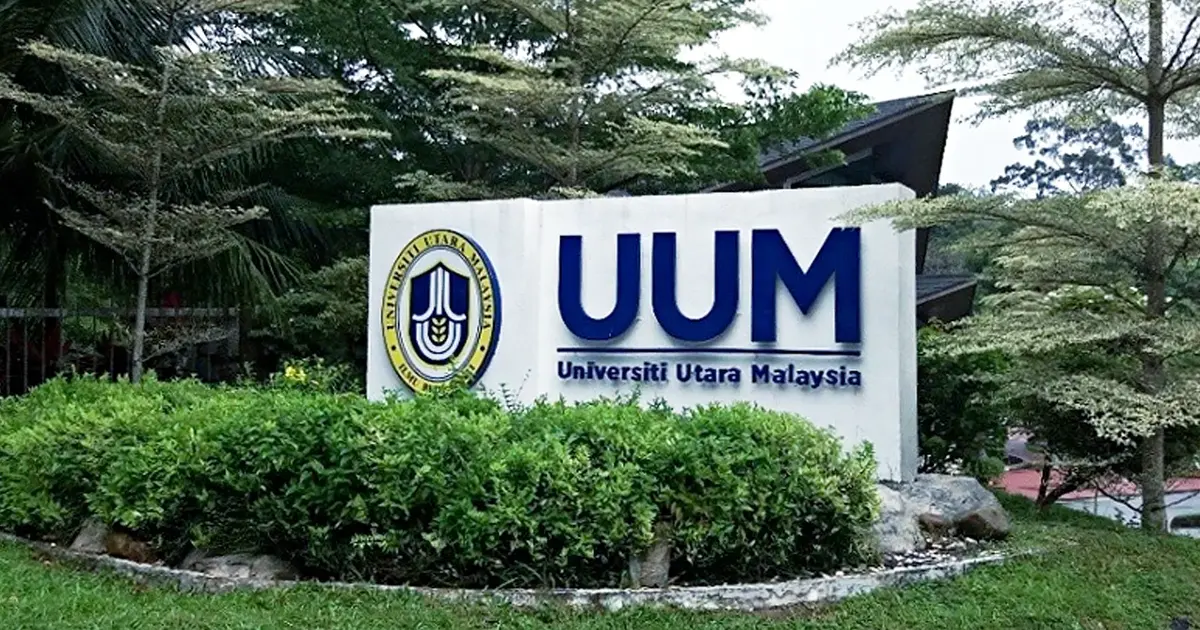
Universiti Utara Malaysia (UUM) has secured a significant legal victory, with the High Court awarding the institution RM2.47 million in damages relating to disputes over the renovation and operational management of a shopping mall property. The ruling represents a decisive outcome in a protracted contractual disagreement that has occupied both parties' attention and resources for several years. Beyond the financial compensation, the court's decision carries broader implications about institutional rights and the enforceability of contractual provisions in property management arrangements affecting Malaysian universities.
The High Court's judgment encompasses two critical dimensions. Firstly, it awards UUM the RM2.47 million in damages that the university had sought to recover, establishing accountability for alleged mismanagement or breach of obligations concerning the mall's upkeep and administration. Secondly, and equally important for UUM's position, the court dismissed entirely the opposing party's counterclaim of RM7.7 million, effectively validating the university's position throughout the dispute. This two-pronged outcome strengthens UUM's negotiating position in any potential settlement discussions and demonstrates judicial support for the institution's interpretation of contractual responsibilities.
Central to the court's reasoning was a determination that UUM's takeover of the property fell squarely within the parameters of its contractual entitlements. Rather than constituting an overreach or violation of agreed terms, the court found that the university's assumption of direct control represented a legitimate exercise of rights explicitly preserved in the underlying agreement. This interpretation carries particular significance for institutional property holders in Malaysia, as it affirms that universities and similar bodies retain considerable latitude in managing assets when contractual language supports such action. The ruling effectively signals to other institutions facing similar governance questions that courts will respect contractually-granted authority.
The dispute itself reflects broader tensions that emerge when property management arrangements involve multiple parties with divergent interests and obligations. Universities typically seek to protect institutional assets and ensure compliance with their own operational standards, while private contractors or co-managers may resist surrendering control or may contest the characterization of alleged shortcomings. The RM2.47 million damages award suggests that the court found evidence of material failures—whether in maintenance quality, financial management, or adherence to agreed protocols—that caused quantifiable harm to UUM's interests.
For Malaysian institutional investors and property owners, this judgment offers guidance on contractual interpretation and enforcement mechanisms. The willingness of the court to uphold UUM's unilateral rights to assume control indicates that well-drafted contractual language conferring such authority will be respected and enforced, provided the action falls within the four corners of that language. This encourages institutions to carefully negotiate property arrangements with explicit provisions governing intervention rights, circumstances triggering those rights, and the financial consequences of breach or mismanagement by the other party.
The dismissal of the RM7.7 million counterclaim deserves particular attention, as it represents a complete rejection of the opposing party's primary defensive strategy. This suggests the court found insufficient evidence to support allegations that might have justified such a counterclaim, or that any such allegations were substantially outweighed by UUM's own claims. The magnitude of the rejected counterclaim—more than three times the damages ultimately awarded to UUM—indicates that this was a genuinely contested matter with substantial financial stakes on both sides.
From UUM's perspective, this judgment validates both the substantive position the university adopted and the strategic decision to pursue the matter through litigation rather than negotiated settlement. The award of RM2.47 million in damages provides concrete financial recovery that can be applied to institutional purposes or asset restoration. More importantly, the judicial affirmation of UUM's contractual rights to manage the property directly sends a clear signal to any other partners or service providers engaged by the university regarding the seriousness with which it takes contractual obligations and its willingness to enforce those obligations through the courts.
The decision also has implications for how Malaysian courts approach disputes involving educational institutions as parties. Universities occupy a somewhat unique position in the Malaysian economy—they are public or quasi-public entities with significant assets and community responsibilities, yet they often enter into commercial arrangements with private parties. The court's deference to contractual language in this case suggests that judges will not second-guess institutional decisions to enforce their contractual rights, provided the legal foundation for such action is sound. This represents a relatively institutional-friendly interpretive stance.
Looking forward, this judgment may encourage other Malaysian universities to scrutinize their property management arrangements and ensure that contractual provisions clearly articulate circumstances under which the institution may assume direct control. It also suggests that service providers and property managers engaged by educational institutions should take contractual obligations particularly seriously, knowing that institutional property holders have both the standing and the apparent judicial support to enforce such arrangements rigorously. The ruling establishes that when disputes reach courtroom level, judges will carefully examine contractual language and will enforce provisions favoring institutional rights where language supports such interpretation.
The RM2.47 million damages award, while substantial, ultimately reflects a measured judicial assessment of UUM's losses rather than punitive damages. This suggests the court sought to compensate legitimate harm while avoiding excessive penalty on the opposing party, which had already suffered the loss of contractual authority over the property. For UUM, the judgment concludes what appears to have been a multi-year dispute, but the principles it establishes will likely prove valuable for Malaysian institutions navigating complex property arrangements for years to come.

