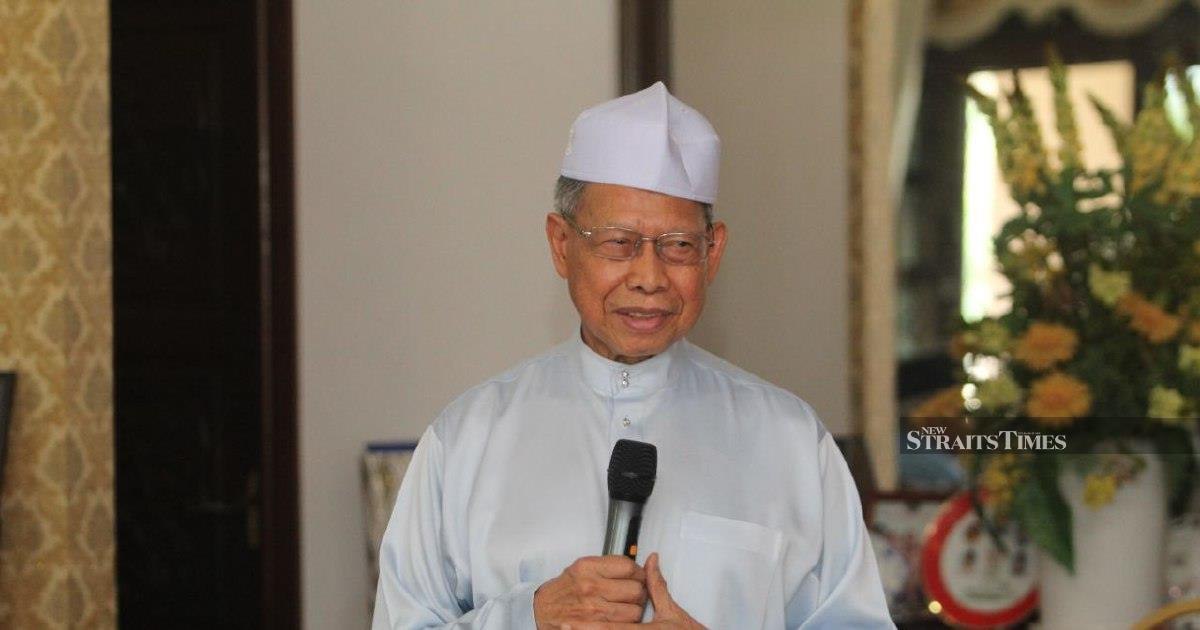
Datuk Seri Mustapa Mohamed, the veteran politician who recently returned to Umno after a period away, has closed the door on a parliamentary comeback, declaring that deteriorating health prevents him from mounting a campaign in the forthcoming general election. Speaking in Pasir Mas, the former Jeli member of parliament highlighted physical constraints that have made basic movements difficult, signalling that his active political career has reached a natural endpoint. The 78-year-old's decision reflects broader considerations about longevity in Malaysian politics and the physical demands of electoral competition, particularly for ageing politicians attempting to maintain influence within their parties.
Mustapa Mohamed's recent return to Umno represented a significant political realignment. His rejoining of the party he long served underscored ongoing consolidation efforts within the coalition, as senior figures seek to strengthen party structures ahead of anticipated electoral contests. However, the decision to remain outside parliamentary contention suggests that his re-engagement focuses primarily on institutional and advisory roles rather than personal electoral ambitions. This distinction matters considerably in Malaysian politics, where formal party membership and active candidacy represent different levels of political commitment and visibility.
The former Jeli legislator's candid acknowledgement of health limitations provides a refreshing contrast to Malaysian political discourse, where ageing politicians often maintain facades of robust capability. Mustapa Mohamed's straightforward statement that he cannot walk steadily enough to campaign effectively demonstrates a pragmatic assessment of electoral realities. Contesting requires intensive ground-level engagement—attending ceramah sessions, walking through constituencies, participating in the gruelling schedule of rallies and public appearances—that someone with significant mobility issues would find genuinely challenging.
Mustapa Mohamed's political journey spans decades of service in Malaysian politics. His parliamentary representation of Jeli, a rural constituency in Kelantan, allowed him to build substantial local influence and party credentials. The decision not to contest signals generational transitions underway within Umno and the broader ruling coalition. As senior figures step back from electoral competition, space opens for younger politicians to establish themselves within party hierarchies and parliamentary representation. This succession planning, though sometimes contentious, remains essential for institutional continuity.
The health considerations Mustapa Mohamed cited resonate particularly in Southeast Asian contexts, where rapid population ageing presents both demographic and political challenges. Malaysian politics, like other regional democracies, faces questions about whether electoral systems adequately accommodate politicians whose physical capabilities have diminished but whose experience and judgment remain valuable. Establishing advisory or elder statesman roles allows experienced figures to contribute without the burdensome demands of active campaigning and constituency management.
Mustapa Mohamed's withdrawal from GE16 contests potentially affects Kelantan political dynamics considerably. Jeli, his former stronghold, will likely see new candidates emerging to represent Umno interests. The transition from an established figure to a newcomer invariably creates uncertainties regarding vote consolidation and constituency loyalty. In competitive parliamentary seats, such transitions can provide opportunities for opposition parties to regain ground or for internal factional disputes within Umno to surface more visibly during candidate selection processes.
The decision also illuminates broader patterns within Malaysian politics regarding age and political participation. Unlike some democracies where mandatory retirement ages govern electoral participation, Malaysia allows politicians to contest regardless of age, provided they meet basic constitutional requirements. This flexibility permits continued participation by senior figures but occasionally results in campaigns where advanced age becomes a public health or fitness issue. Mustapa Mohamed's transparent approach avoids the discomfort some politicians experience when age-related decline becomes evident during campaigning.
Within Umno specifically, Mustapa Mohamed's repositioning carries symbolic weight. His return after absence underscores the party's evolving internal coalitions and factional dynamics. Senior figures frequently shift positions based on changing circumstances, and his re-entry signalled calculations about where influence and resources would flow during the pre-election period. However, his simultaneous withdrawal from electoral competition suggests he assessed that his contributions would be most effectively delivered through non-parliamentary channels, advisory capacity, or party institutional roles rather than through successful legislative candidacy.
The implications extend to GE16 campaign strategies more broadly. Without Mustapa Mohamed contesting, Umno must identify alternative candidates capable of defending Jeli and potentially competing in other constituencies where he might have otherwise presented himself. This reshuffling affects campaign resource allocation, messaging strategies, and ground organisation in affected areas. In Kelantan particularly, where Umno faces substantial challenges from PAS and opposition coalitions, every constituency transition represents potential vulnerability requiring careful management during the election campaign itself.
For Malaysian voters and political observers, Mustapa Mohamed's statement exemplifies how electoral cycles inevitably incorporate succession dynamics and generational transitions. His pragmatic acceptance that personal physical limitations preclude effective campaigning contrasts with politicians who persist in contesting despite observable decline in capability. The coming general election will ultimately reflect how successfully Umno and its coalition partners manage such transitions, replacing departed senior figures with candidates possessing sufficient local credibility and organisational capacity to maintain existing support levels or expand their parliamentary representation across competitive constituencies.

