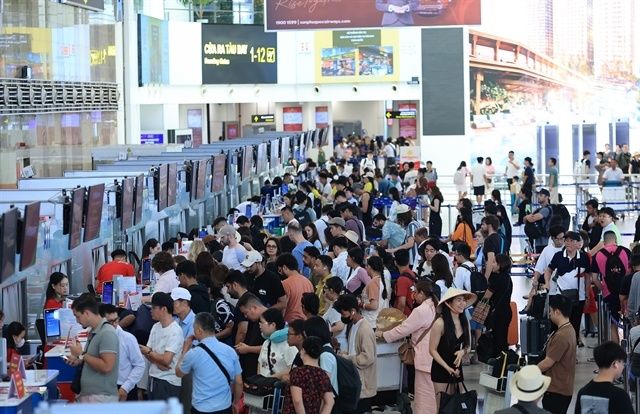
Vietnam has introduced sweeping new protections for air travellers through Government Decree No. 208, which takes effect from the start of next month and establishes comprehensive requirements for passenger compensation when flights are disrupted. The regulation addresses a longstanding gap in consumer protections across Southeast Asia's aviation sector, where passenger rights have historically lagged behind international standards and passenger expectations have grown alongside the region's expanding middle class and rising air travel volumes.
Under the new framework, airlines must recognise any flight departure delayed beyond 15 minutes from its scheduled time as officially delayed, establishing clarity that has been absent in many carriers' policies. For delays classified as "long delays"—those exceeding four hours—airlines face substantially more rigorous obligations to passengers. This dual-threshold approach reflects a proportionate regulatory philosophy, distinguishing between minor schedule slippages and serious disruptions that fundamentally alter a passenger's travel plans and may trigger cascading complications in connecting flights, accommodation, or business commitments.
When carriers foresee delays, they must immediately inform passengers, provide a clear explanation for the disruption, and keep travellers updated through airport information displays at least every 30 minutes. This transparency requirement addresses a frequent complaint among regional flyers, who have experienced prolonged uncertainty during flight disruptions. The obligation to maintain visible, regularly refreshed information across airport systems prevents carriers from allowing outdated data to remain displayed, a common frustration in busy regional hubs.
For delays stretching two hours or longer, airlines must furnish passengers with drinking water or equivalent vouchers, addressing basic passenger welfare during extended waiting periods. The regulation distinguishes between daytime and overnight delays, reflecting the different hardships these create. Delays occurring between 7am and 10pm require carriers to arrange rest facilities proportionate to what the airport can reasonably provide, while delays spanning the overnight window—from 10pm through 6:59am—obligate airlines to supply sleeping accommodations or resting facilities appropriate to local conditions, or propose alternative solutions acceptable to passengers. This nuanced approach acknowledges that missing sleep during an overnight delay creates different difficulties than daytime inconvenience.
The decree grants passengers meaningful recourse regarding rebooking and routing decisions. When delays occur due to carrier fault, airlines must rebook passengers on alternative itineraries or different flights without imposing the standard surcharges or restrictions that normally apply to itinerary modifications. This provision could substantially benefit passengers, as carriers typically charge fees for date changes or rerouting. By eliminating these charges when the airline is responsible, the decree aligns accountability with financial consequence, incentivising operational reliability.
Schedule changes—deliberate alterations to planned departure times—receive distinct treatment under the new rules. When carriers advance or postpone a flight by five hours or more, passengers gain the right to demand a full refund, request rebooking on alternative flights, or claim placement on another service within 72 hours. However, carriers retain discretion regarding schedule changes of four hours or less earlier departure or 15 minutes or less later departure, permitting them to apply their standard policies. This graduated approach acknowledges that minor schedule adjustments are sometimes operationally necessary while protecting passengers from major disruptions implemented without substantive recourse.
Cancellations trigger the regulation's most stringent requirements. The decree defines a cancellation as the non-operation of any flight for which at least one confirmed passenger held a ticket, creating an objective standard that prevents carriers from claiming a flight operated when they have merely rebooked all ticketed passengers onto alternative services. Upon cancellation, airlines must immediately notify passengers, apologise, and explain the reason. When the carrier caused the cancellation, passengers receive three options: rebooking on suitable alternative routings at no additional cost, full fare refunds, or refunds of unused ticket portions. This framework ensures that passengers cannot be forced into unwanted alternatives when airline error caused the disruption.
The regulation's implementation reflects Vietnam's integration into the broader regional aviation ecosystem, where inconsistent consumer protections across Southeast Asian carriers have created disparities in passenger rights. As the region's airlines compete for international traffic and passengers increasingly compare protections across carriers and jurisdictions, Vietnam's stricter requirements position its national carriers and regional operators to either comply with these standards or face competitive disadvantage among cost-conscious and rights-aware passengers. The decree may establish a template that neighbouring countries scrutinise, potentially influencing regional harmonisation of passenger protections.
Implementation details remain pending ministerial guidance. The Minister of Construction will establish specific compensation amounts, payment methodologies and timelines, and carrier reporting obligations in cases of delay, cancellation, or denied boarding. These implementing regulations will determine whether the decree functions as genuine protection or merely symbolic legislation, as vague compensation frameworks or extended payment timelines could substantially diminish its practical value to passengers. The discretion granted to the Minister represents a significant implementation risk, as developing countries sometimes allow implementing regulations to substantially narrow statutory protections.
For Malaysia and other Southeast Asian nations, Vietnam's decree offers both comparative context and potential pressure for similar protections. Malaysian passengers currently lack comparable statutory compensation rights for domestic or regional flights, relying instead on airline goodwill or individual carrier policies that vary considerably. The Thai and Philippine aviation sectors similarly lack comprehensive passenger compensation frameworks. As regional middle classes expand and business travel increases, pressure will likely mount for harmonised protections that prevent passengers from experiencing dramatically different rights depending on their carrier's nationality or the specific route they travel.
The decree also carries implications for foreign carriers operating into Vietnam, particularly regional and budget airlines that depend on high-capacity operations with thin profit margins. Complying with water provision, accommodation, and rebooking requirements without compensation caps could substantially increase operational costs, particularly for carriers operating multiple daily frequencies where a single delay cascades across subsequent flights. International carriers may seek exemptions or reciprocal arrangements, creating potential diplomatic tensions if negotiations stall. Conversely, passengers on major international carriers entering Vietnamese airspace will benefit from protections previously unavailable, enhancing consumer welfare across the aviation market.
The regulation's emphasis on immediate notification and transparent communication reflects evolving global standards for passenger communication during disruptions, areas where Vietnamese carriers have historically lagged behind Southeast Asian competitors. Airlines must now treat information management as a compliance obligation rather than a discretionary customer service function. This cultural shift, though requiring investment in systems and training, aligns Vietnamese operations with international practice and reduces passenger frustration stemming from information vacuums during disruptions.
Looking forward, the decree's effectiveness will depend critically on enforcement mechanisms and passenger awareness. Without public education campaigns explaining new rights and accessible complaint procedures, many passengers will remain unaware they can demand compensation or accommodation. Additionally, carriers must face meaningful penalties for non-compliance, as voluntary adoption of expensive protections remains unlikely absent credible enforcement risk. The regulatory framework itself is comprehensive and passenger-protective, but its real-world impact will emerge only through implementation and enforcement execution beginning next month.