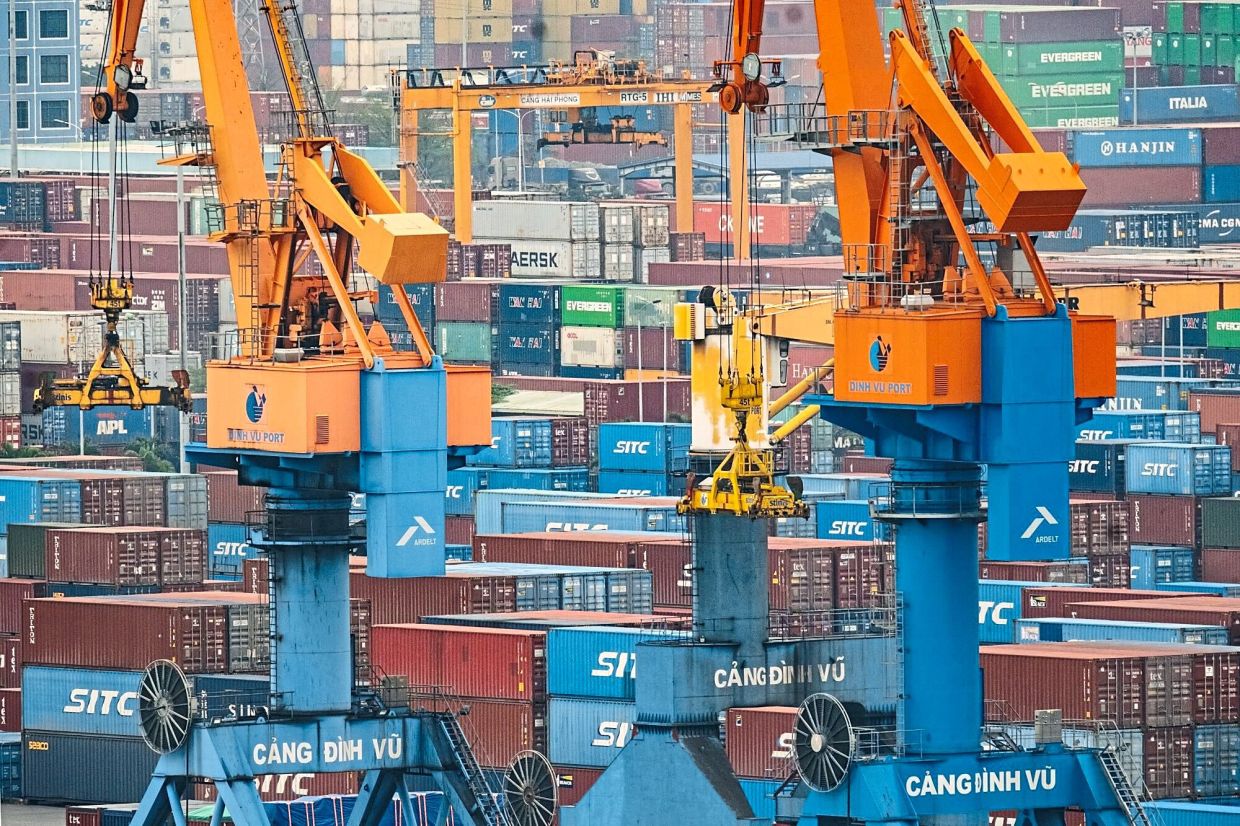
Vietnam is intensifying diplomatic efforts to break the deadlock in its tariff negotiations with the United States, with Deputy Prime Minister Nguyen Van Thang meeting US Trade Representative Jamieson Greer in Washington to reaffirm Hanoi's commitment to reaching a final agreement. The high-level engagement reflects growing urgency on both sides to conclude what has become a protracted commercial negotiation, particularly as the Trump administration signals a preference for swift resolution.
Thang's visit to the American capital underscores Vietnam's economic vulnerability to trade tensions. As one of Asia's most export-dependent economies, Hanoi faces mounting pressure to demonstrate its willingness to address American concerns that have stalled progress since the two nations reached a framework agreement last October. The meeting conveyed Vietnam's readiness to engage in what Thang termed "open, constructive" dialogue, a diplomatic formulation designed to signal flexibility without conceding fundamental negotiating positions.
At the heart of the dispute lies a constellation of American grievances that extend well beyond conventional tariff disagreements. US trade officials have launched three parallel Section 301 investigations into Vietnamese practices, focusing particularly on transshipment—the practice of routing goods through Vietnam to obscure their true origins—and non-tariff barriers that Washington views as protectionist. The core US concern is elegantly straightforward yet difficult to resolve: Chinese manufactures, particularly low-cost electronic components destined for American consumers, are allegedly being relabeled as Vietnamese-origin products to circumvent existing tariffs on Chinese goods. This mechanism effectively allows Chinese producers to maintain market access to the United States while Vietnam serves as an intermediary, a dynamic that undermines the intent of American trade restrictions.
Vietnam's acknowledgment of willingness to "ease US concerns over trade fraud and the illegal routing of exports" represents a significant diplomatic concession, even if framed cautiously. The statement suggests Hanoi recognizes that addressing transshipment will require enhanced border controls, stricter documentation requirements, and potentially more aggressive enforcement against companies engaged in mislabeling or origin manipulation. For Vietnamese authorities, implementing such measures presents genuine administrative challenges, as the country's customs infrastructure has historically struggled with capacity constraints and corruption vulnerabilities.
The April designation of Vietnam as a "priority foreign country" by Greer's office added considerable pressure to these negotiations. The accusation that Vietnam has insufficiently combated online piracy, counterfeit goods smuggling, and intellectual property violations reflects broader American frustrations with a nation that has become a significant transshipment hub not just for goods, but for intellectual property theft and illicit trade. The investigation findings scheduled for November will prove consequential; unfavourable conclusions could trigger additional tariff increases that would inflict real economic damage on Vietnamese exporters and manufacturing enterprises.
The scale of Vietnam's trade imbalance with the United States underscores why resolution matters urgently for Hanoi. Vietnam posted a trade surplus of US$114 billion with America during the first half of 2026, surpassing China, Mexico, and Taiwan in bilateral trade gap terms. This figure reflects Vietnam's transformation into a manufacturing powerhouse over the past decade, as multinational corporations have diversified production away from China to mitigate tariff exposure. Electronics, textiles, footwear, and agricultural products comprise the bulk of Vietnamese exports, making the country heavily reliant on maintaining access to the American market. Any substantial tariff increases would reverberate through Vietnam's manufacturing sector and labour-dependent economy.
Paradoxically, the same factors driving Vietnam's export surge to America also amplify the transshipment problem. As manufacturers ramp up production in Vietnam, their imports from China have surged correspondingly. Vietnamese factories import Chinese-manufactured components, integrate them into products, and export finished goods to the United States. While this process is entirely legitimate when properly documented and tariffed, the opacity of some supply chains and the economic incentives to misclassify origins create conditions amenable to fraud. Hanoi's challenge involves distinguishing legitimate manufacturing supply chains from illegitimate transshipment schemes without imposing such burdensome compliance requirements that manufacturers relocate to other Southeast Asian jurisdictions.
Beyond tariff negotiations, Thang's visit prioritized attracting additional American investment into Vietnam. Meetings with executives from Qualcomm, Visa, Axon Enterprise, and Caterpillar suggest Vietnam is pursuing a multi-faceted strategy: simultaneously resolving trade frictions while deepening economic integration through foreign direct investment. This approach recognises that American companies with significant Vietnamese operations become stakeholders in US-Vietnam trade relations, potentially moderating protectionist impulses in Washington. For Vietnam, securing commitments from major technology and financial services firms would diversify the economy beyond manufacturing-dependent exports.
The stakes of these negotiations extend beyond bilateral US-Vietnam commerce. Resolution of trade disputes between Washington and Hanoi carries implications for the broader regional architecture. Other Southeast Asian nations including Thailand, Indonesia, and Cambodia face similar exposure to accusations of serving as transshipment hubs for Chinese goods, making Vietnam's experience a potential template for future American trade enforcement. How Hanoi navigates these pressures—whether through genuine supply chain transparency initiatives or through managed compliance that preserves the status quo—will influence how aggressively the Trump administration pursues similar investigations against Vietnam's neighbours.
For Malaysian stakeholders, Vietnam's predicament offers cautionary lessons. As a fellow manufacturing hub with significant Chinese component sourcing and American export exposure, Malaysia faces analogous vulnerabilities to transshipment-related trade investigations. Vietnam's success or failure in resolving American concerns about origin documentation and customs enforcement may presage approaches that Washington applies to Malaysian firms and ports. Additionally, any resolution that requires Vietnamese factories to increase transparency or implement costly compliance measures could trigger competitive shifts in regional manufacturing, potentially redirecting investment flows across Southeast Asia as companies reassess jurisdictional risks.
The November timeline for the Section 301 investigation findings creates genuine urgency for finalizing negotiations. Neither side appears interested in allowing the dispute to escalate further, though the underlying issues—defining what constitutes legitimate manufacturing versus illegal transshipment, establishing adequate enforcement mechanisms, and calibrating tariff schedules—remain substantively complex. Vietnam's diplomatic overtures suggest Hanoi understands that trade friction with the United States carries costs exceeding the benefits of maintaining opaque supply chain practices. Whether American negotiators view Vietnamese concessions as sufficiently comprehensive remains the critical variable determining whether these discussions yield a durable agreement or descend into reciprocal tariff escalation.

