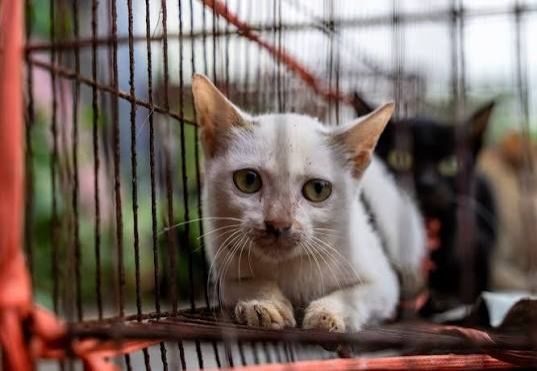
Vietnamese police have successfully broken up an organized crime ring specialising in the theft and trafficking of domestic cats, resulting in the recovery of more than 400 live animals and leading to the reunion of at least 40 felines with their owners. The operation, which concluded last week, saw nine individuals arrested in connection with what authorities describe as a sophisticated criminal enterprise centred in Ho Chi Minh City but operating across southern Vietnam.
The investigation revealed the scale of the illicit operation when officers discovered not only the 400 living cats but also 80 preserved corpses stored on ice at the gang's facilities. An additional 21 animals were seized from a separate location, underscoring the scope of the syndicate's activities. Humane World for Animals, the animal rights organisation coordinating rescue efforts, confirmed that authorities responded swiftly after receiving reports of escalating pet thefts that had become increasingly common throughout Ho Chi Minh City.
According to the official Ho Chi Minh City police newspaper, the arrested suspects confessed to systematically luring and trapping cats over a three-year period, methodically building their supply network across multiple provinces in southern Vietnam. The criminals employed calculated techniques to target neighbourhood pets, indicating a well-established operational structure rather than opportunistic thievery. This extended timeframe suggests the network had operated with relative impunity before authorities finally intervened, raising questions about enforcement gaps that allowed the enterprise to flourish.
The legal status of cat and dog consumption in Vietnam complicates enforcement efforts. Both meats remain lawful to trade within the country, and numerous restaurants openly market dishes featuring feline and canine meat to customers. However, Vietnamese regulations stipulate that vendors must possess legitimate documentation certifying the origin of any animals sold as meat. The arrested gang's failure to obtain such certificates represents a primary violation, as they were trafficking stolen pets rather than animals bred or legally sourced for commercial purposes.
The distinction between legal and illegal practice is therefore a matter of paperwork and provenance rather than outright prohibition. This creates ongoing challenges for animal welfare advocates in Southeast Asia, where cultural attitudes toward consuming companion animals differ markedly from Western norms. While authorities can prosecute theft and trafficking, addressing the underlying demand for cat meat requires broader public engagement about pet ownership and animal protection standards.
The reunion process has already delivered positive outcomes for dozens of families separated from their companions. Officers and animal welfare personnel have been working to match rescued felines with their owners through microchips, collar identification, and community outreach. The 40 successful reunions represent a tangible success for the recovery effort, providing closure to owners who had feared their stolen pets were lost permanently.
However, the operation's aftermath presents sobering realities about the animals' traumatic experiences. Humane World for Animals reported that approximately 100 of the rescued cats subsequently died, a figure reflecting the severe stress, injury, and illness these animals endured during capture, confinement, and transportation. The organisation's statement emphasises that even survival does not guarantee full recovery, as many survivors face ongoing health and behavioural challenges stemming from their ordeal.
Current concerns centre on the welfare of cats still housed at police facilities pending the prosecution phase. These animals remain in official custody as evidence, creating logistical and humanitarian challenges. Humane World for Animals has taken an active role in addressing these concerns by donating supplies and coordinating the delivery of cooling equipment to mitigate heat stress during confinement. The organisation's involvement underscores the importance of animal welfare collaboration between authorities and advocacy groups during criminal investigations.
Karanvir Kukreja, representing Humane World for Animals, highlighted the precarious situation facing the remaining rescued cats, stressing that the organisation's immediate priority remains ensuring adequate care and living conditions while legal proceedings continue. The provision of fans and food represents a practical intervention, but sustained attention will be necessary throughout what could prove to be a lengthy prosecution period if the accused contest charges.
The case reflects broader regional concerns about illegal wildlife and animal trafficking networks operating throughout Southeast Asia. While this incident involved domesticated species rather than endangered wildlife, the criminal methodologies employed—organised supply chains, multiple facilities, distributed operations—mirror those used in larger trafficking enterprises. The success in dismantling this network demonstrates that coordinated law enforcement can disrupt such operations, though prevention requires sustained investment in monitoring, public awareness, and investigation capacity.
For Malaysian and wider Southeast Asian audiences, the case serves as a reminder of evolving animal welfare standards and enforcement mechanisms across the region. As countries develop stronger animal protection frameworks and international cooperation increases, attitudes toward pet trafficking and consumption of companion animals are gradually shifting. The Vietnamese authorities' decisive action, praised by international observers, signals an emerging commitment to addressing animal cruelty even within the context of culturally-accepted practices, suggesting gradual regional progress toward stricter animal welfare norms despite significant cultural and legal variations.