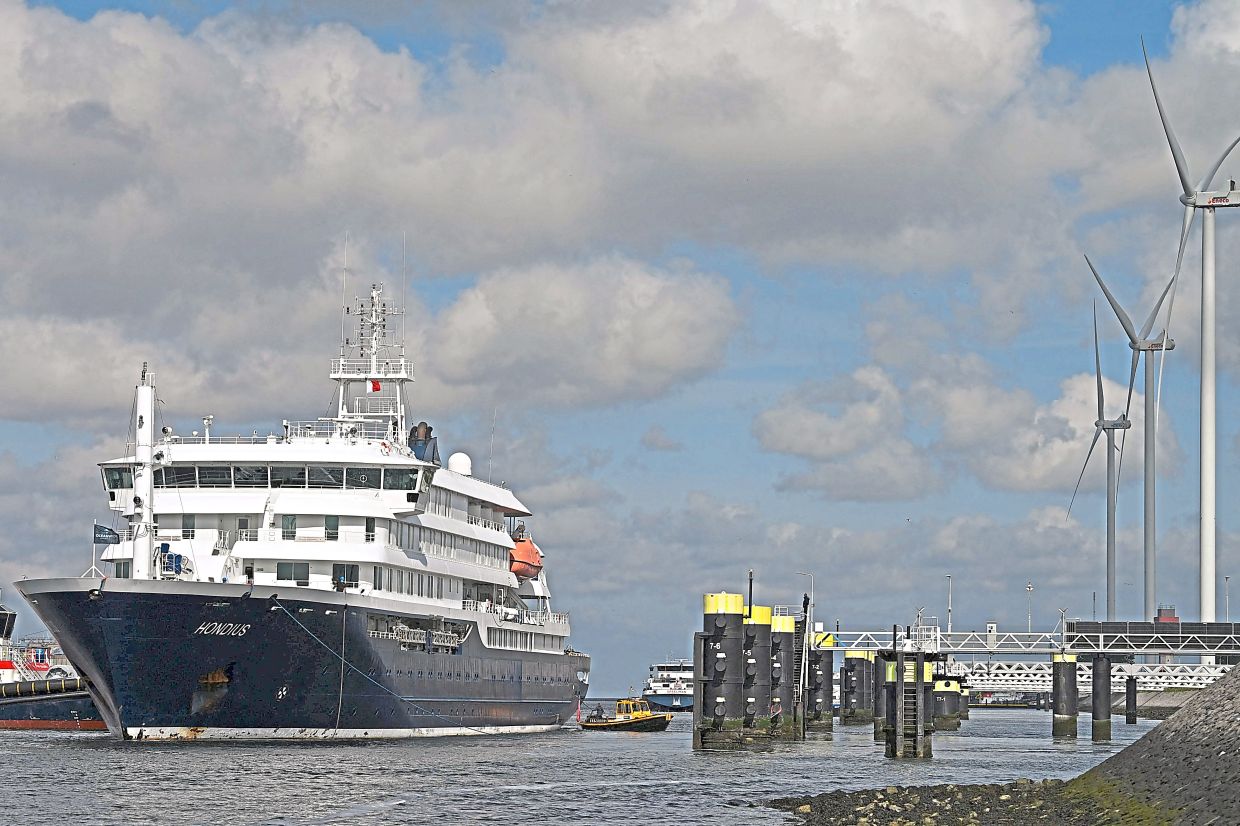
The World Health Organization has formally declared an end to the hantavirus outbreak that emerged aboard the MV Hondius, a Dutch-flagged polar exploration vessel, after the final quarantined passenger completed isolation and tested negative on July 2, 2026. The declaration marks a significant milestone in containing what became an international health crisis, though scientists warn the real analytical work is only beginning as they seek to understand how the virus spread so effectively across a contained environment and what preventive measures might prevent similar incidents in the future.
The outbreak infected a total of 13 individuals—12 confirmed cases and one probable case—resulting in three deaths aboard or connected to the ship. The MV Hondius had departed from Ushuaia, Argentina on April 1, 2026, embarking on a polar exploration voyage through remote territories in the South Atlantic Ocean, including stops at Tristan da Cunha. The ship subsequently sailed northward toward the Canary Islands, where Spanish authorities evacuated the remaining passengers after the outbreak became apparent. The vessel itself was quarantined and underwent comprehensive sanitisation in Rotterdam harbour on May 18, 2026, before any further movement was permitted.
WHO Director-General Tedros Adhanom Ghebreyesus confirmed the outbreak's conclusion at a press conference, emphasising that the absence of new cases since May 25, 2026 satisfied the organisation's epidemiological criteria for declaring the event concluded. The announcement represents a contained resolution to what had sparked considerable global alarm given hantavirus's high mortality rate and the difficulty of containing it in close quarters. The virus, spread by infected rodents, carries no approved vaccines and lacks specific therapeutic treatments, making prevention and early isolation the primary tools available to health authorities.
The geographical scale of the response reveals the complexity of managing disease outbreaks in an interconnected world. Health authorities in 33 countries and territories identified and monitored more than 650 individuals who had contact with confirmed or suspected cases. These contacts were distributed globally due to the international nature of cruise ship passenger lists and crew movements, necessitating unprecedented coordination between national health systems to track potential secondary transmissions.
The Andes species of hantavirus responsible for this outbreak possesses a dangerous characteristic that distinguishes it from other strains—it is the only known variant capable of transmitting from human to human, rather than only through rodent contact. This capability considerably amplified transmission risks aboard the ship, where close quarters and shared ventilation systems created ideal conditions for respiratory spread among passengers and crew. The virus's ability to jump between humans explained the outbreak's persistence despite containment efforts and highlighted vulnerabilities in biosecurity protocols for cruise vessels operating in remote regions.
Despite the outbreak's containment, the WHO is advancing its understanding of hantavirus through coordinated international research involving 21 countries. These studies aim to elucidate the disease's progression and pathogenesis, generating data that could inform the development of diagnostic tools, therapeutic interventions, and potentially vaccines. Such research assumes heightened importance given that hantavirus infections remain rare but consistently severe when they occur, and no specific treatments currently exist to mitigate symptoms or prevent mortality once infection develops.
The MV Hondius incident carries particular significance for Southeast Asian nations given the region's exposure to zoonotic disease risks and the prevalence of rodent populations in both urban and rural environments. The ease with which a disease can spread aboard international vessels—whether cruise ships, cargo vessels, or fishing boats—underscores the importance of robust screening protocols at maritime entry points and rapid response capabilities among port health authorities. Malaysian ports, which handle one of the world's busiest shipping lanes, could be vulnerable to similar scenarios involving zoonotic pathogens emerging from sources across the Indian Ocean and beyond.
For the cruise industry globally, the outbreak has prompted reflection on biosecurity measures aboard vessels, particularly those operating in polar and remote regions where medical evacuation options remain limited. The decision to divert the MV Hondius to the Canary Islands required coordination between Spanish health authorities and maritime authorities, demonstrating how disease outbreaks can disrupt commercial operations and impose substantial costs on operators and passengers alike. This incident may accelerate industry-wide adoption of enhanced health screening procedures and improved isolation facilities on expedition-class vessels.
The WHO's coordination of the international response and subsequent research initiatives illustrates the organisation's evolving role in managing cross-border health threats in the era of global travel. The emphasis on understanding disease progression and supporting vaccine development suggests that preparedness for future hantavirus incidents—whether linked to cruise operations or occurring through other transmission routes—remains a priority. For countries in Southeast Asia with growing domestic cruise industries and increasing regional maritime traffic, learning from this episode and implementing enhanced surveillance systems represents a prudent investment in public health security.

