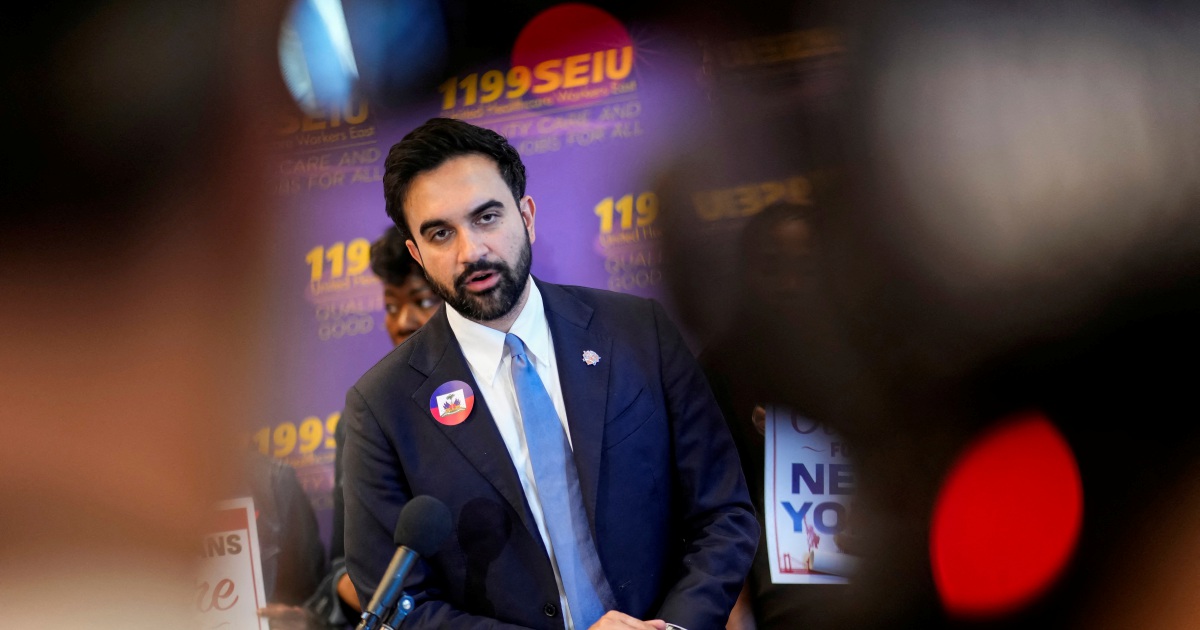
New York Mayor Zohran Mamdani announced this week that he has determined municipal authorities possess insufficient legal standing to detain Israeli Prime Minister Benjamin Netanyahu should the Israeli leader visit New York City, effectively abandoning an earlier line of inquiry about whether such an action might be possible.
The mayor's reversal marks a significant moment in the ongoing tension between municipal-level officials and the Israeli government over allegations of war crimes, particularly regarding Israel's military operations in Gaza. Mamdani's initial comments had suggested he was actively exploring options, but legal counsel ultimately concluded that New York City lacks the jurisdictional authority to pursue such an arrest.
Understanding why a major American city cannot independently arrest a visiting foreign dignitary requires examining the multi-layered structure of US law enforcement authority. At the federal level, the State Department maintains diplomatic protocols that protect sitting heads of government and their delegations from arrest under customary international law. This protection extends to the territory of the United States, and no state or municipal authority can circumvent these federal arrangements.
Additionally, the question hinges on what legal basis would exist for an arrest. International criminal law—including statutes addressing war crimes—is not administered through American municipal courts in the manner that local criminal codes are enforced. The International Criminal Court in The Hague possesses jurisdiction over such allegations, but the United States is not party to the Rome Statute that established the ICC. This means American courts, whether federal or municipal, do not have automatic enforcement mechanisms for international criminal law provisions.
Mamdani's earlier remarks had resonated with Palestinian solidarity activists and human rights advocates in New York City, where significant Arab American and pro-Palestinian constituencies have mobilised around Gaza-related issues. The mayor's initial willingness to even examine the question symbolised local political responsiveness to constituent concerns about accountability for actions in Gaza. However, the subsequent legal determination highlights the practical constraints that bind even elected officials in major metropolitan areas when confronting questions of international law and diplomatic immunity.
The mayor's decision also reflects broader complexities that Southeast Asian governments occasionally face regarding the intersection of domestic law, international obligations, and diplomatic courtesy. Countries in the region have grappled with similar questions when hosting international conferences or receiving foreign leaders accused of human rights violations. The principle of diplomatic immunity, while sometimes controversial among human rights advocates, remains a foundational element of international relations that protects all nations' representatives equally.
Furthermore, any municipal attempt to arrest a foreign dignitary would almost certainly trigger immediate federal intervention. The Secret Service and Federal Bureau of Investigation maintain primary responsibility for protecting visiting foreign leaders and maintaining the integrity of US diplomatic relations. Local law enforcement attempting independent action could face federal injunctions and potential legal consequences, making any such effort futile from an operational standpoint.
The legal architecture preventing Mamdani's action also protects Malaysia and other nations. When Prime Minister Anwar Ibrahim or other Malaysian dignitaries travel internationally, they similarly benefit from diplomatic immunity protections that prevent local jurisdictions from arresting them based on allegations or pending cases. This reciprocal system, while sometimes frustrating to human rights advocates who believe accountability is inadequate, provides predictability and stability in international relations.
Mamdani's conclusion does not resolve underlying questions about accountability for alleged wartime conduct. International courts, the United Nations Human Court, and various investigative bodies continue examining allegations related to Gaza. The International Court of Justice has cases pending involving Israeli conduct, and various human rights organisations maintain ongoing documentation efforts. However, these mechanisms operate through entirely different channels than municipal law enforcement.
The mayor's statement underscores a persistent tension in contemporary democratic governance: elected officials representing constituencies with strong policy preferences sometimes discover that their authority, while substantial within municipal domains, cannot extend into matters of international diplomacy and international law. Voters concerned about accountability for alleged war crimes must ultimately seek remedies through international institutions, federal-level action, or diplomatic pressure rather than through local government intervention.
For Malaysia and other nations monitoring international justice developments, the episode illustrates how formal legal structures, diplomatic conventions, and jurisdictional boundaries continue constraining accountability mechanisms despite growing public interest in international criminal accountability. While local advocacy and democratic expression remain important, meaningful action on alleged international crimes requires engaging federal governments, international courts, and multilateral mechanisms rather than relying on municipal authorities.

