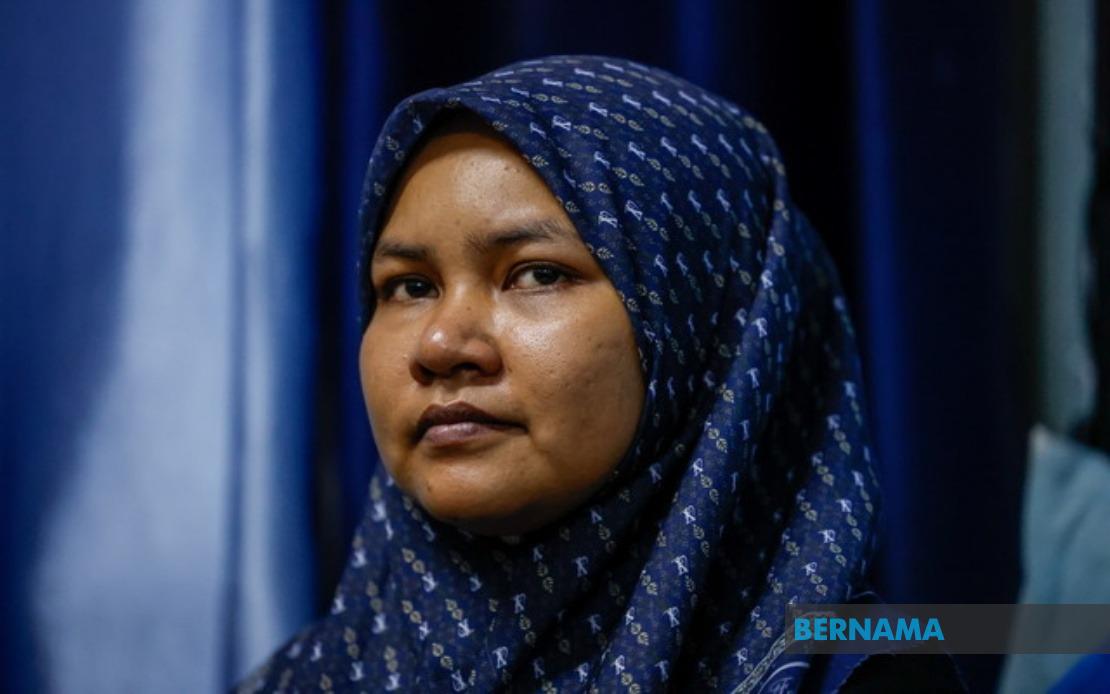
The widow of Amirul Hafiz Omar, a 33-year-old delivery rider who died following a traffic collision in Klang, is preparing to pursue a RM1 million civil claim against the driver implicated in the incident. According to her lawyer, Nur Iffah Hizwani Omar, the legal team has already drafted the necessary documentation and anticipates filing the suit at the Shah Alam High Court in August, contingent on completing outstanding procedural requirements.
The case stems from a March 29 incident on Jalan Raya Barat in Klang, where Amirul Hafiz was struck by a vehicle operated by R. Saktygaanapathy, 28, who is suspected to have been under the influence of narcotics at the time. Initial charges brought against Saktygaanapathy under Section 302 of the Penal Code for murder were subsequently amended to reflect a conviction for self-administering tetrahydrocannabinol (THC) under Section 15(1)(a) of the Dangerous Drugs Act 1952, which Saktygaanapathy contested on June 3.
The civil claim cannot proceed immediately because the legal team requires a Letter of Administration from the Kuala Lumpur High Court to formally represent the victim's estate. This document, which grants authority to manage the deceased's affairs and assets, was scheduled for approval on July 28. Without it, the widow—Nor Nadia Abdul Majid, 32—cannot legitimately pursue compensation claims on behalf of her late husband's interests.
A critical component of establishing the claim's value involves documenting Amirul Hafiz's supplementary income from an e-hailing platform. This additional earnings information is essential for calculating the full financial loss attributable to his death, extending beyond any formal employment records. The legal team must obtain comprehensive records of these earnings before finalising the statement of claim, ensuring the RM1 million figure is properly substantiated with evidence of his actual income streams.
Nor Nadia's emotional account reveals the profound personal toll the tragedy has extracted. Nearly four months after her husband's death, she described experiencing a delayed emotional reckoning—initially functioning on autopilot during the immediate aftermath, only confronting the full weight of her loss approximately three months into her bereavement. This delayed grief reaction is not uncommon in sudden-death trauma situations, where initial shock and practical demands overshadow emotional processing.
The widow has now assumed all responsibilities previously shouldered by her late husband, transforming her daily existence. She described the particular anguish of witnessing her children's reliance on their father's routines—his commitment to personally transporting them to school each morning and collecting them at midday for lunch together. That consistency, maintained regardless of weather or circumstance, represented more than logistical support; it embodied the father's dedication to family connection and stability. Now those responsibilities rest entirely on her shoulders.
The case exemplifies a growing concern across Malaysia regarding road safety and the enforcement of drug-driving legislation. The involvement of THC—a controlled substance frequently associated with cannabis use—underscores how substance abuse contributes to fatal traffic incidents. The transition from a murder charge to a drug-related conviction reflects either prosecutorial strategy adjustments or evidentiary considerations, though the underlying tragedy remains unchanged: a young working parent has been removed from his family through preventable circumstances.
From a legal standpoint, the civil suit represents the widow's avenue for seeking financial redress through the civil courts, operating independently from the criminal proceedings. While the criminal case addresses culpability and potential imprisonment, the civil action quantifies the economic harm sustained by the victim's family unit. This dual-track approach is standard in Malaysian jurisprudence, allowing victims' families to pursue compensation even if criminal convictions prove difficult to secure or if sentences appear inadequate to the claimant's perspective.
The RM1 million claim, while substantial, reflects the lifetime earning potential lost and the family's ongoing financial deprivation. For a delivery rider juggling primary employment with supplementary e-hailing work, the calculation encompasses not merely stated wages but also the entrepreneurial income generated through flexible gig-economy participation. This comprehensive approach ensures the assessment captures the full economic value of the deceased's contribution to family sustenance.
The case also illuminates the precarious position of gig-economy workers in Malaysia's expanding digital labour market. Delivery riders, increasingly vital to the logistics chain, often lack comprehensive employment protections and survivor benefits available to traditionally employed workers. When tragedy strikes, families frequently struggle to document income and establish entitlements—a challenge Nor Nadia's legal team is now navigating. The necessity of obtaining supplementary income documentation highlights how scattered earning records across multiple platforms complicate casualty assessment and claim quantification.
For Malaysian readers, this case serves as a sobering reminder of traffic safety's critical importance and the devastating ripple effects of impaired driving. It also demonstrates that civil remedies exist for bereaved families willing to pursue legal action, though doing so requires sustained emotional fortitude and engagement with complex administrative and judicial processes. Nor Nadia's determination to pursue the claim, despite her overwhelming grief, reflects both her commitment to her children's financial security and broader accountability for the negligence that claimed her husband's life.

