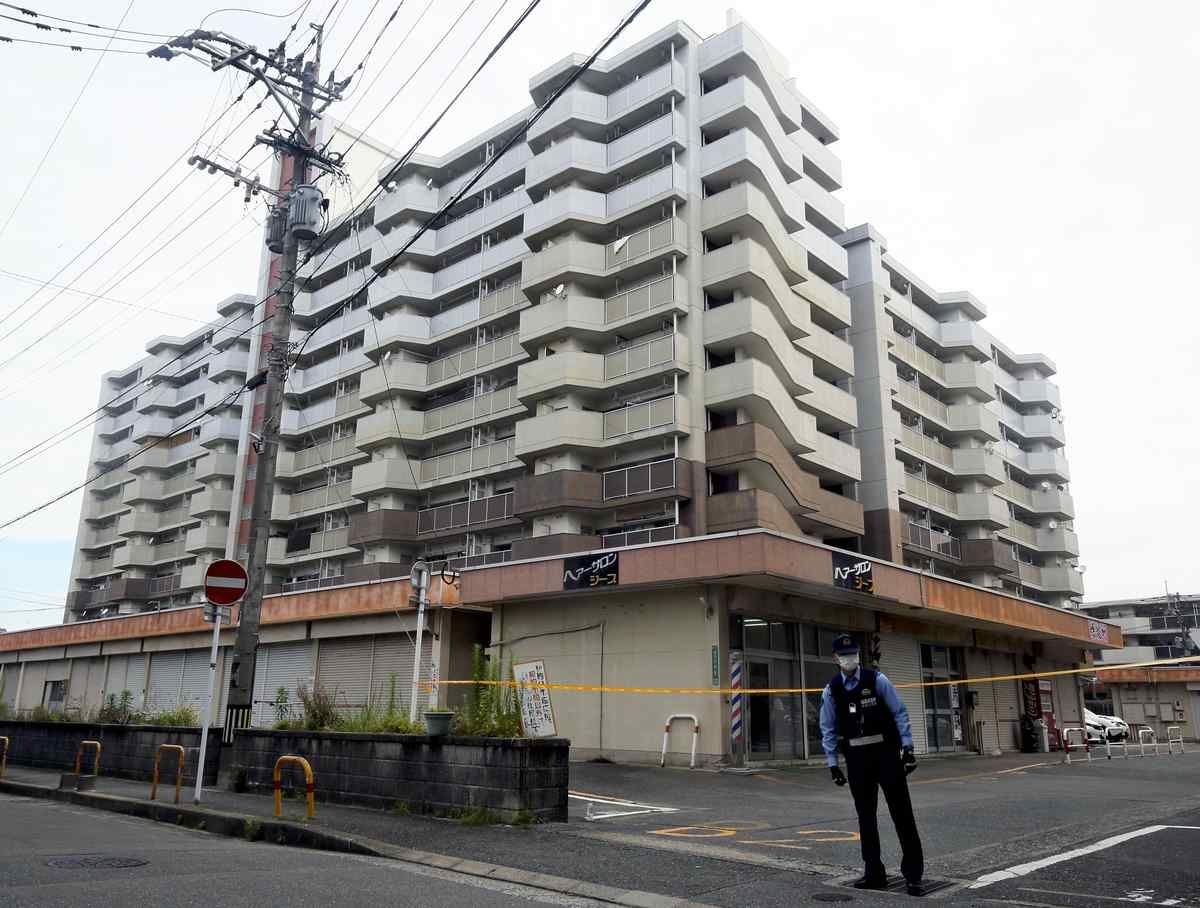
A 36-year-old woman has been arrested in Fukuoka City following the fatal stabbing of her 33-year-old friend, in a case that has drawn attention to domestic violence and the safety of children present in homes where such incidents occur. The Fukuoka Prefectural Police's Higashi Station confirmed the arrest on Thursday, June 18, with investigators preparing to upgrade charges from attempted murder to full murder as the victim was pronounced dead upon arrival at hospital.
The alleged attack took place in the early hours of Thursday morning at approximately 3.15am in a Fukuoka City residence. According to police accounts, the suspect repeatedly stabbed her friend in the neck and chest using a knife-like object during what appears to have been an altercation between the two women. The brutality of the assault, involving multiple wounds to vital areas, suggests either an intense confrontation or a deliberate attempt to cause fatal injuries.
The suspect has reportedly confessed to the charges without apparent resistance, acknowledging her role in the stabbing with a straightforward admission: "It's true I did it. I stabbed her many times." Such rapid confessions are not uncommon in Japanese criminal cases, where cultural factors and the strength of police evidence often lead suspects to cooperate with investigators. The candid nature of her statement may also facilitate the transition from attempted murder charges to murder charges, as prosecutors build their case for trial.
One of the most disturbing aspects of this incident centres on the presence of three elementary school-aged children sleeping in an adjacent room at the time of the violence. While the children were physically unharmed and reportedly remained asleep throughout the attack, questions have emerged about their emotional wellbeing and the potential psychological trauma resulting from discovering the death of their mother's friend in their home. The proximity of the children to such a violent act raises broader concerns about safeguarding procedures and whether living arrangements that place young people in vulnerable positions require greater oversight.
The case highlights a pattern of domestic and interpersonal violence in Japan that occasionally claims lives despite the nation's reputation for low crime rates. Fatal stabbings, while still relatively uncommon compared to global standards, represent a category of crime that continues to pose challenges for Japanese law enforcement. The fact that this incident occurred between two women who were acquainted suggests that familiarity between perpetrator and victim is not always a protective factor, contrary to some assumptions about violence prevention.
Fukuoka, as a major city in Kyushu, has experienced various crime incidents over the years, though this particular case stands out for its daytime occurrence in a residential setting and the involvement of dependent children. The city's police force, including the Higashi Station handling this investigation, operates within Japan's well-organised law enforcement framework, which typically results in swift responses to serious crimes and rapid prosecution pathways.
The investigation into circumstances leading to the stabbing will likely examine the relationship between the two women, any prior conflicts, whether substance abuse was involved, and the specific trigger for the violent encounter. Japanese police procedures typically conduct thorough interviews with witnesses and individuals present at crime scenes, and the three sleeping children may eventually be interviewed by specialists trained in handling child witnesses, depending on investigative needs and protocols.
For Malaysian and Southeast Asian observers, this case underscores the universal nature of interpersonal violence and the importance of comprehensive victim support systems. While Japan maintains strong institutional responses to serious crime, the case demonstrates that violence can occur across different societies and socioeconomic contexts. The presence of vulnerable children in households where tensions escalate serves as a reminder of the interconnected nature of crime prevention, mental health support, and child protection services.
The transition of this case from attempted murder to murder charges reflects the severity of the outcome and the legal framework's responsiveness to evidence. Japanese prosecutors will now prepare their case for the courts, where the defendant will face charges that carry significantly more severe penalties than attempted murder. The case will likely proceed through the Japanese criminal justice system, which includes investigation, prosecution, and eventually trial, where questions about motive, mental state, and circumstances will be thoroughly examined before a verdict is reached.

