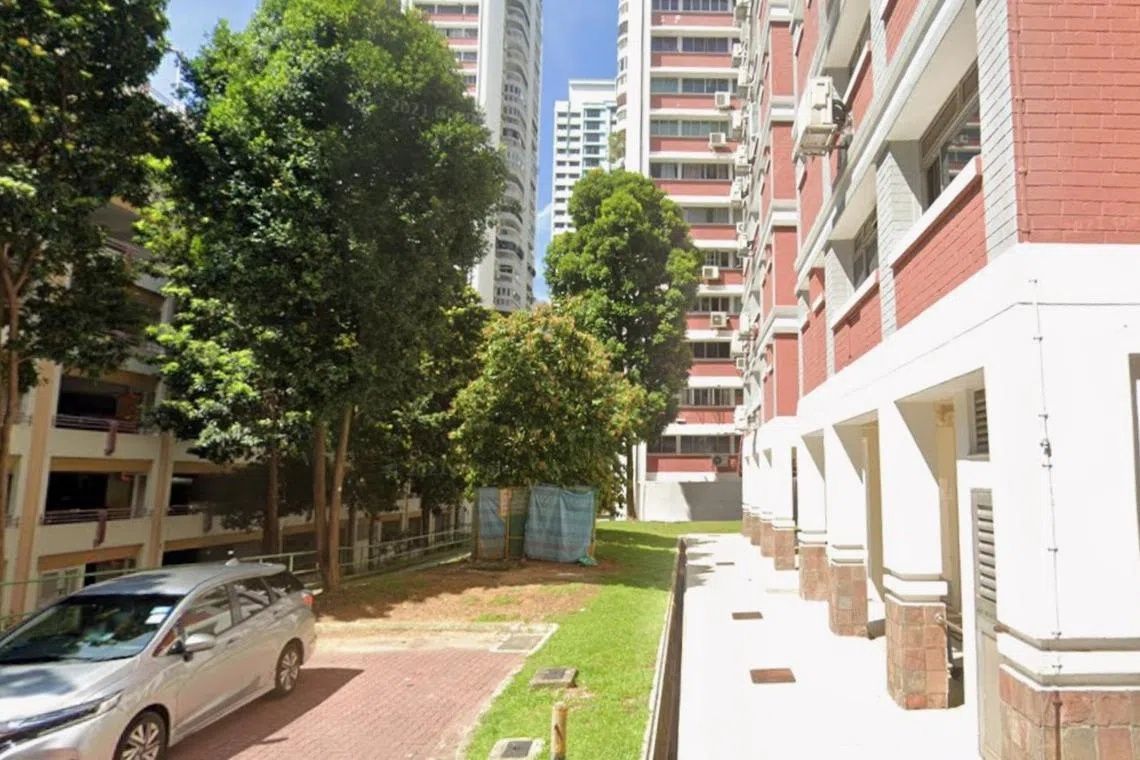
Singapore authorities have arrested a 46-year-old woman following an assault on an acquaintance at a public housing estate in the Bukit Merah district. The incident, which occurred on Saturday evening at 7 Kim Tian Place, has drawn police attention as violent crimes involving weapons remain relatively uncommon in the city-state's residential neighbourhoods. Officers responded to an emergency call at approximately 7.40pm and discovered evidence of a physical altercation involving a knife.
The victim, a 43-year-old woman, sustained injuries consistent with a weapons-related assault. She remained conscious when emergency services transported her to Singapore General Hospital for treatment, suggesting the injuries, while serious enough to warrant arrest on an aggravated charge, did not prove immediately life-threatening. Police seized the knife used in the attack and commenced formal investigations into the circumstances surrounding the confrontation.
According to reports from Shin Min Daily, the void deck area of the Housing Board block bore visible traces of the incident, with bloodstains noted at the scene. Housing Board void decks, which serve as common gathering spaces and thoroughfares in Singapore's public housing estates, represent areas where residents and visitors frequently congregate, making such violent incidents particularly concerning for community safety perceptions.
The arrested woman faces charges relating to causing grievous hurt using a weapon, a serious criminal offense under Singapore law that carries significant potential penalties. The nature of the relationship between the two women—identified as acquaintances rather than strangers—suggests a prior connection existed between them, raising questions about what circumstances escalated their interaction into physical violence. Authorities have not yet disclosed details regarding any history between the parties or the apparent motive for the attack.
Singapore's approach to violent crime, particularly incidents involving weapons in residential areas, typically involves rapid police mobilisation and thorough forensic investigation. The quick response time documented in this case reflects the city-state's comprehensive emergency services coordination. The police investigations remained ongoing at the time of initial reporting, with authorities gathering evidence from the scene and conducting interviews with potential witnesses who may have observed the altercation or its aftermath.
For Malaysian observers monitoring regional crime trends and law enforcement effectiveness, such incidents in neighbouring Singapore offer comparative perspective on how different jurisdictions handle weapons-related assaults in residential settings. While Singapore maintains crime rates substantially lower than regional counterparts, individual violent incidents receive intensive investigation and prompt prosecutorial response. The relatively transparent reporting of such cases through police media advisories and local press coverage reflects Singapore's established practice of public communication regarding criminal justice matters.
The Bukit Merah area, located in Singapore's central region, comprises multiple Housing Board estates serving as home to thousands of residents across various demographic groups. Such neighbourhoods typically experience lower crime rates than commercial or entertainment districts, making violent incidents like this one more noticeable within community consciousness. The incident underscores how violence can emerge in seemingly secure residential environments, warranting sustained vigilance and community cooperation with law enforcement.
From a forensic and investigative standpoint, the recovery of the weapon at the scene and the identification of a clear suspect within a limited timeframe represent successful immediate police work. The preservation of physical evidence at the void deck, combined with victim testimony and potential witness accounts, provides investigators with substantive material for building a case. Singapore's judicial system, known for efficiency and relatively swift case progression, typically moves such matters through the courts within defined timeframes.
The incident also carries implications for discussions surrounding public safety in housing estates across Southeast Asia generally. Housing Board estates, whether in Singapore, Malaysia, or other regional jurisdictions, serve essential functions in providing affordable housing for working-class and middle-income populations. Maintaining safety within these shared residential spaces requires coordination between residents, management authorities, and law enforcement agencies. Violent crimes, while statistically uncommon, generate concern and may prompt authorities to review security measures and community policing strategies.
As investigations continued, authorities were expected to determine whether circumstances indicated premeditation, prior conflict escalation, mental health factors, or other contextual elements relevant to prosecutorial charging decisions. The distinction between charges and eventual judicial outcomes often hinges on such investigative findings. For the victim, the experience of being attacked in a residential space she presumably considered secure raises personal safety concerns and emotional trauma considerations beyond the physical injuries sustained.
The case reflects broader patterns in how law enforcement across developed and developing economies addresses weapons-related violence within civilian populations. Singapore's established systems for emergency response, evidence collection, and suspect apprehension demonstrate institutional capacity developed through consistent investment in policing infrastructure and training. The relatively swift arrest and clear weapon seizure indicate effective police procedure, though the investigation's ultimate conclusions remain pending official determination.

