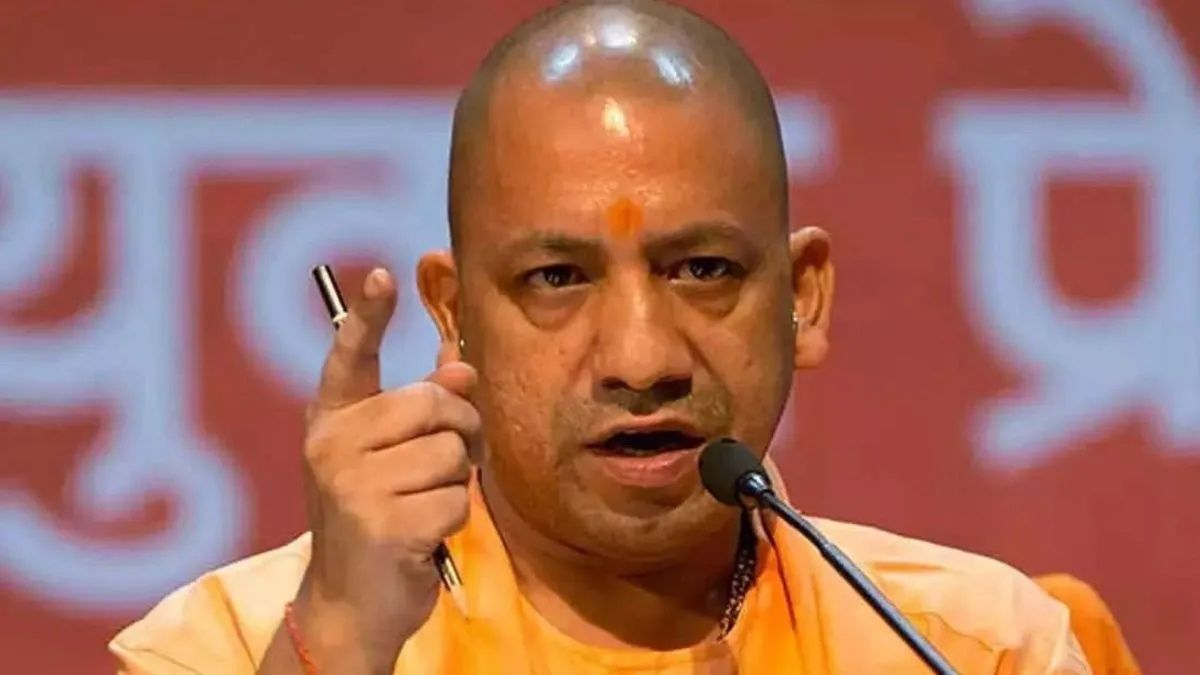
Uttar Pradesh Chief Minister Yogi Adityanath has declared that attempts to undermine religious faith will face serious consequences, making the assertion during a public address in Deoria on Friday as authorities moved forward with investigations into alleged mismanagement of donations at the Ram Temple complex in Ayodhya. The statement follows the filing of the initial police report in the case, with the Chief Minister emphasizing that a Special Investigation Team's report had triggered immediate government action to distinguish between fact and fiction surrounding the controversy.
The Ram Temple donation case has emerged as a politically sensitive matter in India's most populous state, touching upon one of Hinduism's most revered spiritual sites and a symbol of significant cultural importance across the Hindu-majority nation. The Shri Ram Janmabhoomi Teerth Kshetra, the temple complex at Ayodhya, holds immense religious significance for millions of devotees, and questions about the administration of contributions have triggered broader concerns about institutional integrity. For Malaysian readers with Hindu communities in Klang Valley and Penang, such disputes in India carry resonance, as they often reverberate through diaspora networks and community discussions in Southeast Asia.
Yogi Adityanath's rhetoric during the Deoria event carried unmistakable political overtones, with the Chief Minister launching pointed criticism at the Indian National Congress and Samajwadi Party—opposition parties that have governed Uttar Pradesh at different periods. He contended that these parties have historically resisted the Ram Janmabhoomi movement and opposed the temple's construction through protracted legal battles, positioning their current criticism of alleged mismanagement as motivated by political hostility rather than genuine concern for religious sentiments. The Chief Minister's framing seeks to delegitimize opposition voices by anchoring them within what he portrays as a long-standing pattern of antagonism toward Hindu religious institutions and movements.
The allegations against Congress span decades of governance, with Yogi asserting that the party not only misappropriated national resources but also maintained a track record he characterizes as dishonest and corrupt. He drew parallels between Congress administrations and the Samajwadi Party's tenure, claiming both pursued policies he views as hostile to Hindu religious expression. The Samajwadi Party, he suggested, is now targeting faith-related matters because it cannot obstruct developmental initiatives the current double-engine government—his Bharatiya Janata Party state administration working alongside the central government—has implemented.
Specific historical incidents peppered Yogi's speech, with references to restrictions on religious celebrations and processions during opposition party rule. He cited bans on Shri Krishna Janmotsav celebrations, restrictions on the Kanwar Yatra pilgrimage, and alleged incitement of communal violence during Ram Navami and Durga Puja observances. The Lar riot, which the Chief Minister referenced, represents a historical flashpoint in communal relations that carries weight in Uttar Pradesh's collective memory. These references serve to construct a narrative wherein opposition parties are portrayed as inherently antithetical to Hindu religious freedom and expression.
For observers in Malaysia and Southeast Asia, such political messaging illustrates the intersection of religious sentiment and electoral politics in Indian governance, where appeals to faith communities represent significant political currency. Hindu-majority communities in Malaysia, while numerically smaller than their Indian counterparts, maintain cultural and familial connections to developments in India, and such high-profile religious controversies often feature prominently in community forums and diaspora discussions. The case underscores broader questions about the relationship between political authority, religious institutions, and public trust—issues that transcend geographical boundaries.
Yogi's invitation to opposition parties to cooperate with the Special Investigation Team or present concrete evidence represents a shift toward procedural assertion, suggesting that political commentary should yield to investigative processes. The Chief Minister appealed to Ram devotees not to test governmental patience and urged those with allegations to either substantiate them or cease making claims. This approach attempts to position the government as defender of both faith and institutional legitimacy, distinguishing between political opportunism and legitimate inquiry.
The broader administrative response to the donation case reflects recognition that controversies surrounding temple administration can rapidly escalate into communal tensions if perceived as attacks on faith itself. By emphasizing that investigations will follow proper procedures and SIT recommendations, the government seeks to contain the issue within institutional frameworks while simultaneously warning against what it characterizes as politically motivated challenges to religious sentiments. This balancing act between ensuring accountability and protecting religious sentiment remains delicate across India's multi-faith landscape.
For Malaysia's significant Tamil Hindu population and broader Indian diaspora communities, the Ram Temple controversy carries particular resonance given historical connections between Malaysian Hindu temples and religious institutions in India. Many Malaysian Hindu temples maintain networks with Indian religious organizations, and controversies affecting prominent temples like the Ram Temple complex influence broader community conversations about the state of Hindu religious institutions and their governance standards.
The Special Investigation Team's ongoing work will determine whether the donation case involves administrative lapses, mismanagement, or more serious criminal conduct. Until such investigations conclude, the case remains politically charged, with opposition parties likely to scrutinize government actions while the ruling coalition frames its response as protective of both public faith and institutional integrity. The outcome may establish precedents for how similar controversies involving religious institutions are handled within India's federal framework.
Yogi Adityanath's aggressive political positioning—conflating opposition to government actions with opposition to faith itself—reflects broader polarization within Indian politics, where religious sentiment has become increasingly mobilized in electoral competition. This approach, while resonating with political supporters, also raises questions about distinguishing legitimate institutional oversight from attempts to suppress critical scrutiny. For international observers and diaspora communities, the case exemplifies contemporary challenges in maintaining institutional accountability without triggering communal tensions, a balance that India's plural democracy continues to navigate.

