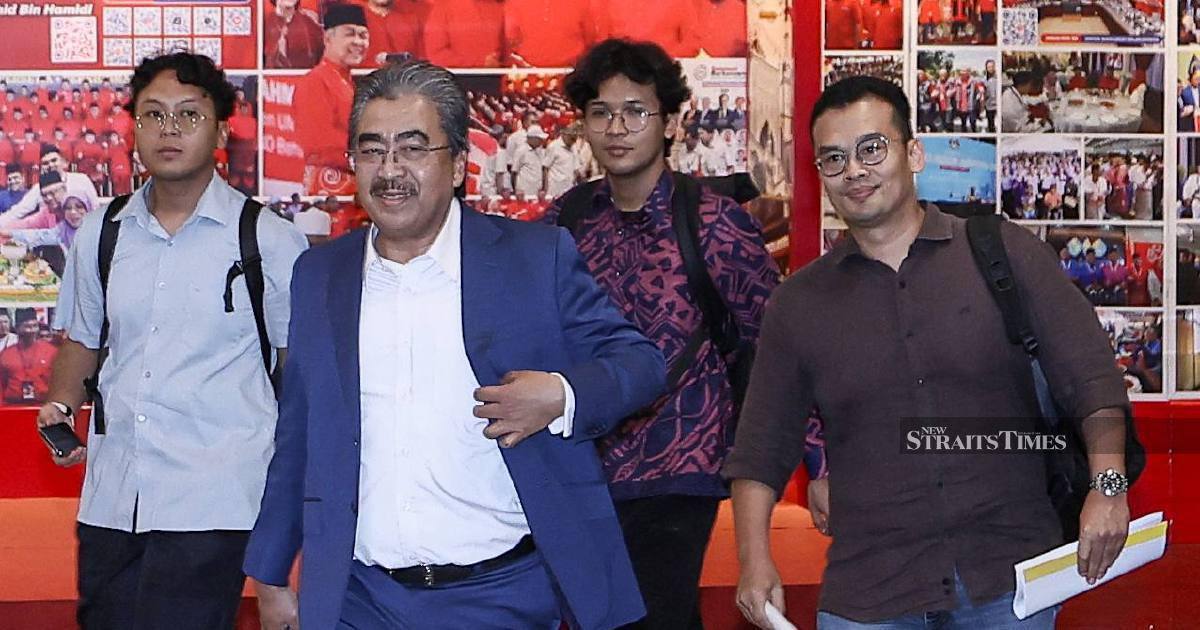
Deputy Prime Minister Ahmad Zahid Hamidi convened a confidential meeting of senior Barisan Nasional figures at Umno headquarters in Kuala Lumpur to discuss the declassified Royal Commission of Inquiry report on Lembaga Tabung Haji, drawing additional attendance from Perikatan Nasional leadership. The closed-door session underscored the political sensitivity surrounding the troubled pilgrimage fund, which has faced mounting scrutiny over governance lapses and financial mismanagement affecting hundreds of thousands of Malaysian Muslims.
The timing of this briefing reflects deepening concern within the ruling coalition about accountability mechanisms and institutional oversight at TH. Lembaga Tabung Haji, which manages savings for Malaysian pilgrims intending to perform the Hajj, has been the subject of considerable public and parliamentary attention following allegations of inadequate internal controls, questionable investments, and poor stewardship of depositor funds. The RCI's declassification signals that authorities are ready to bring previously restricted findings into the policy discussion sphere, potentially triggering broader governance reforms.
Tabung Haji operates with a unique mandate in Malaysia's financial architecture. The institution holds deposits from millions of Malaysians—many of modest means—who contribute monthly toward fulfilling one of Islam's five pillars. Unlike conventional banking institutions, TH combines religious purpose with fiduciary duty, making governance failures particularly damaging to public trust. Recent years have witnessed multiple complaints from contributors regarding delayed Hajj placements, opaque investment decisions, and concerns that management prioritised expansion into commercial ventures over core pilgrimage services.
The inclusion of Perikatan Nasional leaders at this Umno-hosted briefing signals that TH's governance challenges transcend partisan boundaries and warrant whole-of-government attention. PN, which operates within Malaysia's current political framework albeit with some tension against BN components, presumably sought representation to understand the inquiry's findings and assess implications for policy direction. This cross-coalition engagement suggests that lawmakers across the spectrum recognise the institutional importance of addressing whatever deficiencies the RCI has documented.
Royal Commissions of Inquiry in Malaysia traditionally investigate matters of significant public concern when ordinary parliamentary or administrative oversight proves insufficient. The decision to declassify this particular RCI report indicates that authorities believe the findings warrant transparent discussion among political decision-makers before broader public disclosure. Such procedures typically precede legislative action, regulatory tightening, or governance restructuring. For Tabung Haji, declassification likely presages substantive reforms in how the institution operates, invests funds, and reports to depositors.
The pilgrimage fund sector holds particular importance within Malaysia's Islamic financial ecosystem. TH's stability and ethical operations influence public confidence not merely in individual institution management but in Malaysia's capacity to steward religiously-mandated financial products. Any RCI findings highlighting systemic weaknesses could prompt inquiries into whether other Islamic financial instruments—whether savings schemes, investment vehicles, or charitable funds—face comparable governance vulnerabilities. This broader context makes the briefing session consequential beyond TH's immediate affairs.
For Malaysian pilgrims awaiting Hajj placements, the RCI report and subsequent political deliberations carry direct practical implications. Governance reforms could affect waiting periods, contribution requirements, or investment strategies underlying the fund's growth. The inquiry may recommend changes to TH's board composition, executive accountability measures, or depositor protections. Political leaders attending the briefing must eventually address whether existing frameworks adequately serve millions of contributors who view TH not as a commercial venture but as a sacred trust entrusted to institutional safekeeping.
Southeast Asia's broader experience with pilgrimage funds and religious financial institutions offers context for Malaysia's situation. Several Muslim-majority nations have grappled with comparable governance challenges at Hajj savings schemes, underscoring that this represents a recurring institutional vulnerability. Malaysia's ability to implement credible reforms—demonstrated through transparent RCI findings and decisive leadership response—could establish regional benchmarks for managing religious financial assets with appropriate rigour.
The briefing represents an intermediate stage in what appears to be a deliberate process of addressing TH's governance through established institutional channels. By convening coalition leaders before broader disclosure, senior government figures signal that political consensus exists regarding necessary reforms. This approach contrasts with more adversarial scenarios where revelations might trigger blame-shifting or institutional defensiveness. The measured pathway suggests authorities intend substantive institutional change grounded in shared acknowledgement of problems.
Moving forward, Malaysian policymakers must balance competing objectives: protecting depositor interests, maintaining TH's pilgrimage-focused mission, ensuring sound financial management, and preserving the institution's Islamic character and purpose. The RCI inquiry evidently identified governance gaps requiring attention. Whether political leaders can translate declassified findings into effective reform—rather than allowing them to become fuel for partisan dispute—will determine whether this moment catalyses genuine institutional improvement or becomes another instance of Malaysian governance challenges inadequately addressed despite official scrutiny.

