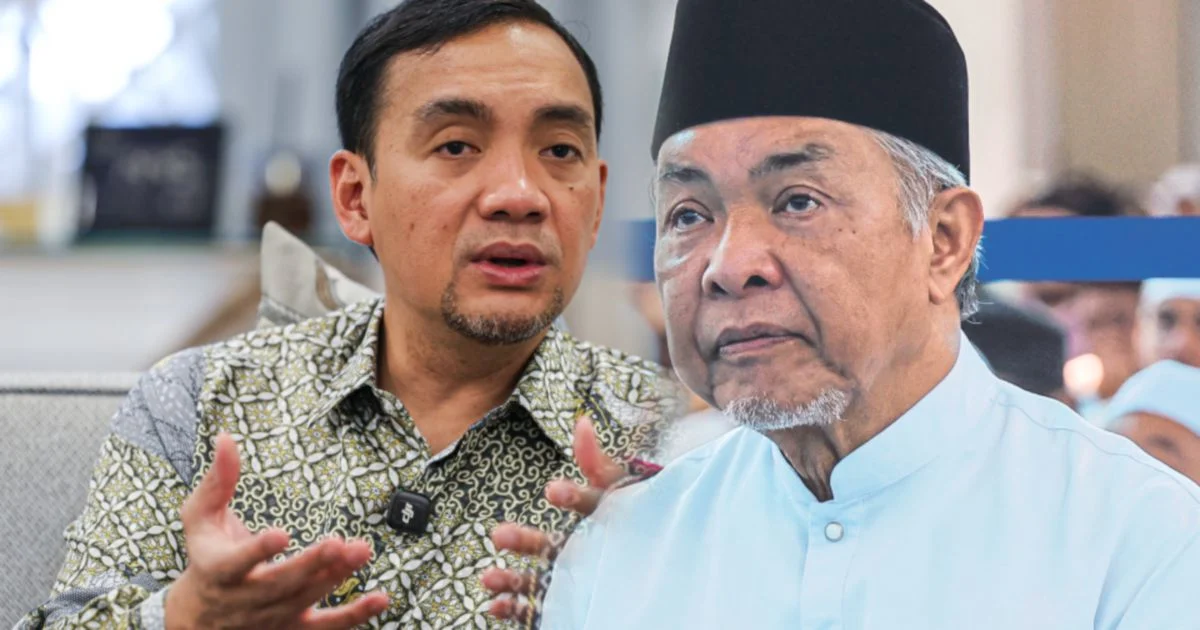
Deputy Prime Minister Datuk Seri Zahid Hamidi has moved to dismiss speculation about restrictions on caretaker Johor Menteri Besar Datuk Onn Hafiz Ghazi, asserting that no official instructions have been issued to prevent him from entering Felda settlements across the state.
The clarification addresses mounting whispers within political circles about potential limitations on the caretaker chief minister's access to these significant rural communities. Felda settlements, established decades ago as part of Malaysia's land development programme, represent crucial constituencies where politicians traditionally maintain strong grassroots connections and where electoral outcomes often prove decisive during national campaigns.
Onn Hafiz's position as caretaker Menteri Besar carries particular weight in Johor's current political landscape. Appointed following the dissolution of the state assembly ahead of elections, the caretaker role vests him with considerable administrative authority while theoretically maintaining political neutrality. The suggestion that his movements might be constrained would have raised eyebrows among observers monitoring how fairly the electoral playing field remains balanced between competing parties.
Felda communities hold substantial demographic significance in Johor. These settlements host thousands of smallholders and their families, many of whom have cultivated deep-rooted ties to the original political movements that established the development authority. Access to these areas during campaign periods becomes strategically important, as candidates seek to address constituent concerns directly and reinforce party messaging at the grassroots level.
The denial from Zahid, who holds Deputy Prime Minister status and chairs the United Malays National Organisation, carries formal weight within Malaysia's political establishment. His statement effectively functions as an official clarification that Umno, his party, harbours no intention of restricting the caretaker Menteri Besar's legitimate administrative and political activities during the pre-election period. This positioning suggests confidence that Onn Hafiz will operate appropriately within established conventions governing caretaker administrations.
Context surrounding Malaysian caretaker governments typically emphasises balance between enabling outgoing administrations to function effectively and preventing incumbent political advantages from distorting electoral competition. The federal government generally permits caretaker chief ministers to discharge their duties normally, though sensitivity remains acute regarding activities that might constitute campaigning by stealth. Any attempt to physically restrict a sitting Menteri Besar from visiting constituencies would constitute extraordinarily heavy-handed intervention and would breach established conventions.
Zahid's clarification arrives amid what appears to be routine pre-election jockeying in Johor. The state has emerged as a significant battleground in Malaysia's contemporary political realignment, with multiple parties competing intensely for control. Johor traditionally anchored Umno's peninsular power base, though recent elections have demonstrated more competitive dynamics. The upcoming poll will test whether the party can consolidate support or whether opposition coalition strategies have gained traction in these critical rural constituencies.
Onn Hafiz himself maintains the Technical position of Menteri Besar while technically remaining subordinate to the caretaker apparatus overseen by federal authorities. His administrative duties necessarily require visiting various parts of the state, inspecting projects, meeting constituents, and attending to governance matters. Preventing such normal functioning would represent unprecedented micro-management and would undermine the caretaker Menteri Besar's ability to discharge his duties effectively during what could prove an extended pre-election interregnum.
The Felda issue specifically resonates because these communities represent constituencies where electoral margins often prove narrow and where ground-level political organising directly influences outcomes. Any real or perceived disadvantage imposed on one contender by restricting access to these voters would immediately generate allegations of bias and potentially destabilise confidence in the electoral process itself. Federal authorities generally remain acutely sensitive to such optics.
Zahid's statement should be understood as both a factual clarification and a political signal. By formally denying that such restrictions exist, he simultaneously reassures all stakeholders that neither Umno nor the federal apparatus intends to impose unequal constraints on competing parties' ability to campaign in Johor. This messaging matters considerably for electoral legitimacy and for maintaining acceptance of whatever results eventually emerge from the ballot box.
Moving forward, the intensity of Johor's political competition will likely persist throughout the campaign period. Access to Felda communities will remain strategically significant, and all parties will work diligently to mobilise support among these traditionally important constituencies. The Deputy Prime Minister's clarification provides official confirmation that the playing field, at least regarding candidate access to settlements, remains appropriately level.

