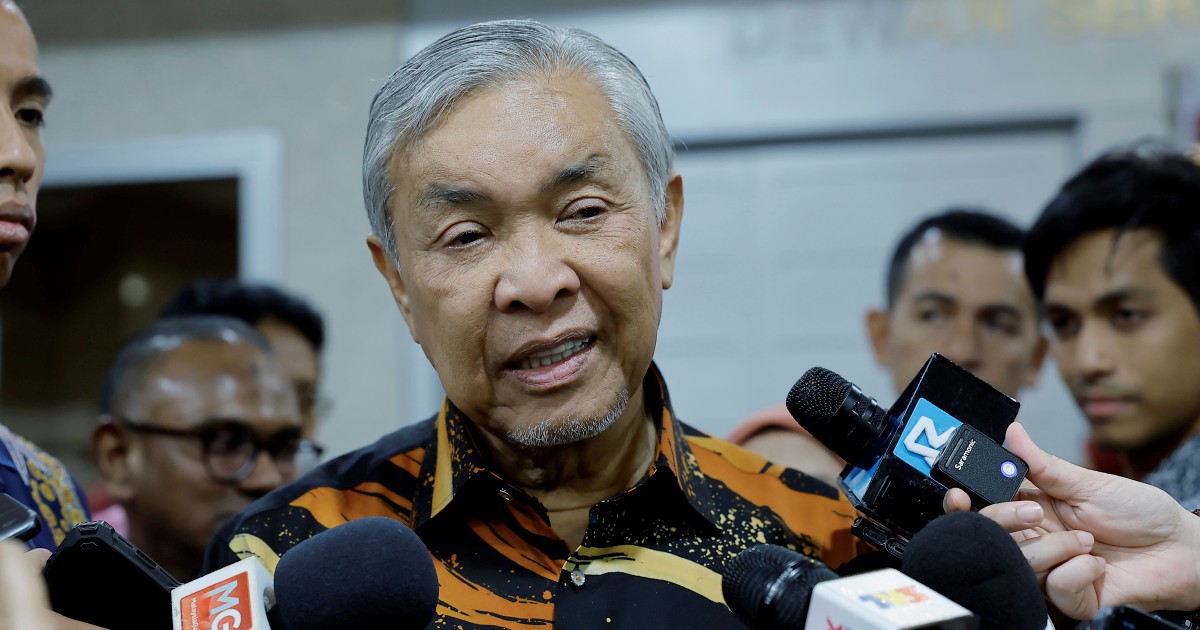
Datuk Seri Dr Ahmad Zahid Hamidi, steering Barisan Nasional as its chairman, has firmly pushed back against growing allegations that outside forces influenced the recent appointment of Negri Sembilan's Menteri Besar. Speaking from Putrajaya, he characterised the grievances as misguided commentary from individuals unfamiliar with how political systems actually operate at the ground level.
The BN leadership's response comes amid simmering tensions within Malaysia's ruling coalition over the method used to select the state's top administrative officer. Critics have suggested that the process bypassed established conventions and lacked the transparency typically expected in such consequential decisions. Zahid's rebuttal suggests the coalition intends to maintain a unified public posture while managing internal dissent through selective messaging about political maturity and procedural legitimacy.
For Malaysian readers accustomed to the intricate dynamics of federal-state relations, this exchange highlights a persistent friction point within Barisan Nasional's broader governance architecture. The appointment of a Menteri Besar carries symbolic weight beyond the individual—it determines not just administrative direction but also influences resource allocation, patronage networks, and political influence that ripple across constituencies and party structures. When such appointments become contentious, they signal deeper concerns about decision-making authority and factional balance within coalition partners.
Zahid's dismissal of the interference allegations by framing them as evidence of political inexperience represents a common deflection tactic in Malaysian politics: casting doubt on the questioner's legitimacy rather than directly addressing substantive procedural concerns. This rhetorical strategy serves multiple purposes simultaneously—it reinforces hierarchical authority, discourages further scrutiny, and subtly suggests that public discourse about appointment mechanisms threatens the coalition's cohesion. However, the very need to make such a statement publicly indicates that internal grumbling has reached a level requiring formal acknowledgment.
The Negri Sembilan situation arrives at a moment when Barisan Nasional continues rehabilitating its political standing after the 2018 electoral shock that dismantled its three-generation hold on federal power. Every appointment, every procedural decision, and every visible unity or fracture receives scrutiny from rival coalitions seeking to exploit weaknesses. A Menteri Besar selection process that appears opaque or dominated by particular factions provides ammunition for opposition narratives about BN's commitment to democratic governance and internal party democracy.
For state-level observers, the implications extend to how development priorities, political appointments, and resource distributions will unfold across Negri Sembilan in coming years. A leadership position secured through contested processes sometimes carries reduced legitimacy within state assemblies, potentially complicating legislative initiatives and necessitating coalition-building efforts that consume political capital. This dynamic becomes especially relevant in states where BN's majority is comfortable but not commanding, where individual assemblyman sentiment carries tangible weight.
Zahid's invocation of understanding "political realities" merits closer examination. In practical terms, Malaysian political reality increasingly encompasses coalition management across fractious partners with divergent interests, managing intra-party factions competing for recognition and resources, and navigating between federal coordination desires and state autonomy expectations. If the Menteri Besar appointment reflected coordination across these dimensions, Zahid's framing suggests it deserves deference as sophisticated statecraft. If the concerns reflect legitimate grievances about marginalization or procedural irregularity, his response risks deepening resentment without resolution.
The strategic communication around this appointment also reflects broader challenges facing Barisan Nasional as it attempts to modernise while maintaining traditional power structures. Younger party members and constituencies increasingly expect transparency and consultative processes that previous generations of leaders managed through backroom consensus. Zahid's pointed dismissal of those questioning the process suggests a leadership cohort accustomed to having its decisions accepted without extensive justification—a posture that increasingly generates friction in contemporary Malaysian political culture.
Within the broader Southeast Asian context, Malaysia's coalition politics demonstrate how authoritarian-leaning structures persist even within democratic frameworks. The appointment methods Zahid is defending reflect power-sharing arrangements that prioritize stability and hierarchy over transparency, an approach that distinguishes Malaysian governance from more participatory democratic models in the region. Whether such arrangements remain sufficient for maintaining coalition coherence and electoral viability remains an open question as electorate expectations evolve.
Moving forward, the resolution of this controversy will likely determine whether it becomes an isolated incident or a symptom of deeper fractures within Barisan Nasional's leadership consensus. Zahid's confident dismissal suggests the coalition believes the matter can be managed through authority assertion rather than procedural clarification. This gamble depends on whether the appointment ultimately proves successful in delivering effective governance, which would ultimately validate the selection process regardless of procedural concerns, or whether the new Menteri Besar faces credibility challenges that fuel persistent grievances about the appointment's legitimacy.

