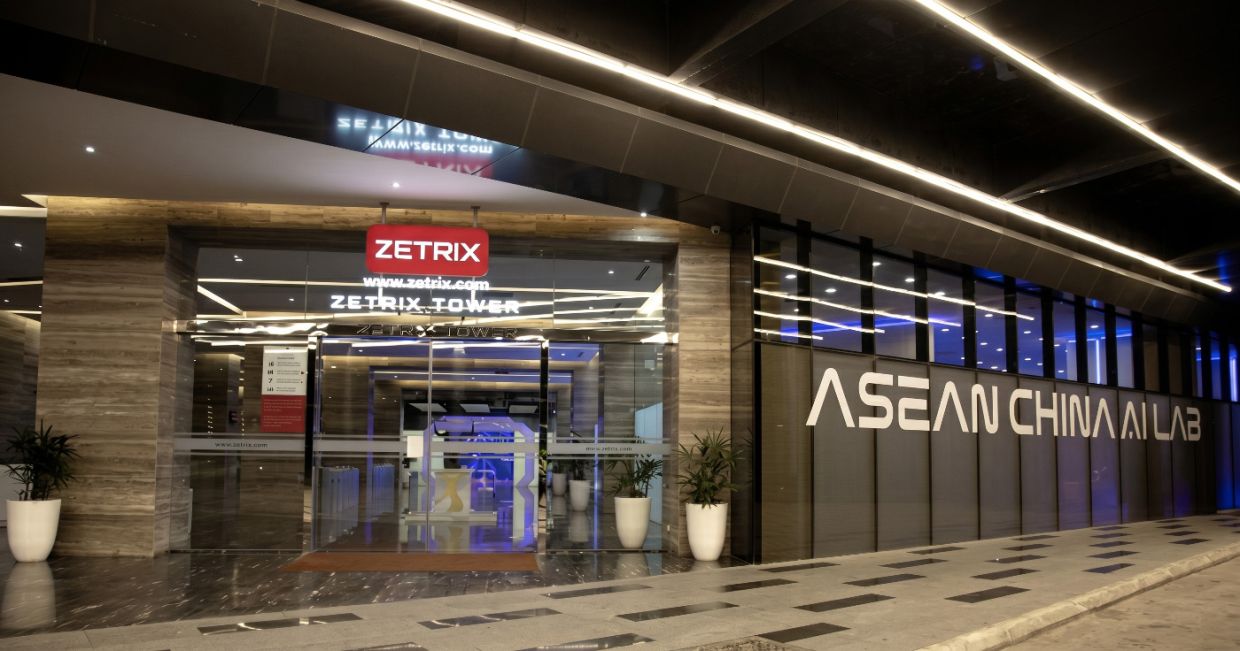
Zetrix AI Bhd moved quickly to quell investor concerns on Friday, issuing a categorical denial that it has any connection to corruption allegations facing former human resources minister Datuk Seri M. Saravanan. The technology company submitted its response to Bursa Malaysia Securities Bhd after fielding an unusual market activity query, seeking to address speculation that had triggered a dramatic sell-off in its shares and trading volume that suggested significant investor unease.
The former minister is facing three graft charges lodged at the Sessions Court on August 28, with the allegations centring on his approval of foreign worker quotas during his tenure. Whether through misunderstanding or deliberate association-building, market participants had begun linking these corruption charges to Zetrix AI, causing ripple effects through the company's share price. The timing and nature of the connection remain unclear, but the market's reaction was unmistakable and devastating for shareholders.
In its filing with the exchange, Zetrix AI emphasised that it had no involvement whatsoever in the charges against the former minister, nor any business relationship or corporate dealings that would justify the market's apparent concern. The company characterised the rumours circulating among traders as unfounded speculation, noting that these whispers appeared to be the primary driver behind the unusual buying and selling pressure that characterised Friday's session.
Management acknowledged that the groundless gossip linking the company to the minister's legal troubles had almost certainly influenced investor behaviour. By putting this theory forward in its formal response, Zetrix AI was attempting to address what it saw as the irrational basis for the market downturn. However, the company stopped short of explaining how or why such a tenuous connection had gained traction among traders in the first place.
Despite conducting thorough internal inquiries, Zetrix AI found no hidden corporate developments that might have prompted the trading frenzy. The company consulted with its board of directors, key shareholders, and other stakeholders to determine whether any pending negotiations, discussions, or material announcements could account for the market activity. All such inquiries came back empty, suggesting that the share price movement was indeed driven purely by market gossip rather than any substantive business news.
The company further stated it remained unaware of any other plausible explanations for why its shares had become the subject of such intense trading interest. This assertion essentially positioned Zetrix AI as a victim of market irrationality, where speculation about connections to high-profile corruption cases had trumped fundamental analysis or company-specific factors in driving trading decisions.
On Friday itself, Zetrix AI shares suffered a catastrophic decline, with the stock hitting its daily limit down and plunging 30 sen, representing a loss of 50.4% of its value. The closing price settled at 29.5 sen, well below where the stock had opened. This dramatic intraday movement reflected the force of selling pressure, as investors scrambled to exit positions amid uncertainty and concern about the nature of the alleged connection to the corruption charges.
The volume of trading that accompanied this price collapse underscored the panic selling. Approximately 1.05 billion shares changed hands during the session, an extraordinary level of activity for a technology company of Zetrix AI's profile. This volume suggested that the speculation had reached a significant portion of the investor base, with many holders choosing to reduce or eliminate their exposure rather than wait for clarity.
The incident highlights a persistent vulnerability in Malaysian equity markets: the susceptibility of share prices to rumour and speculation, particularly when those rumours touch on high-profile legal cases or allegations of corruption. For a company like Zetrix AI, the challenge lies not only in denying false associations but in persuading the market to reverse course after such a dramatic loss of confidence. The speed at which the stock fell suggests that investor psychology had shifted sharply against the company, making recovery potentially difficult even after management's explicit denials.
For the broader Malaysian business community, the Zetrix AI episode serves as a cautionary tale about the power of unsubstantiated market gossip. Companies can find themselves caught in reputational crossfire through no fault of their own, simply by being mentioned in the same breath as powerful figures facing legal troubles. The lack of any substantive connection between Zetrix AI and Datuk Seri M. Saravanan makes the market's reaction all the more striking, raising questions about the effectiveness of information dissemination and investor education in Malaysian capital markets.
The company's position now depends partly on whether the market accepts its denials and allows the share price to recover gradually as attention shifts away from the unfounded speculation. However, given the magnitude of Friday's sell-off and the reputational damage that can accompany such sharp moves, investor sentiment may take considerable time to reverse. Zetrix AI will likely need to focus on executing its business strategy flawlessly while the controversy gradually fades from memory, though the precedent set by this incident underscores how quickly technology-sector stocks can become prey to market-driven narratives.

