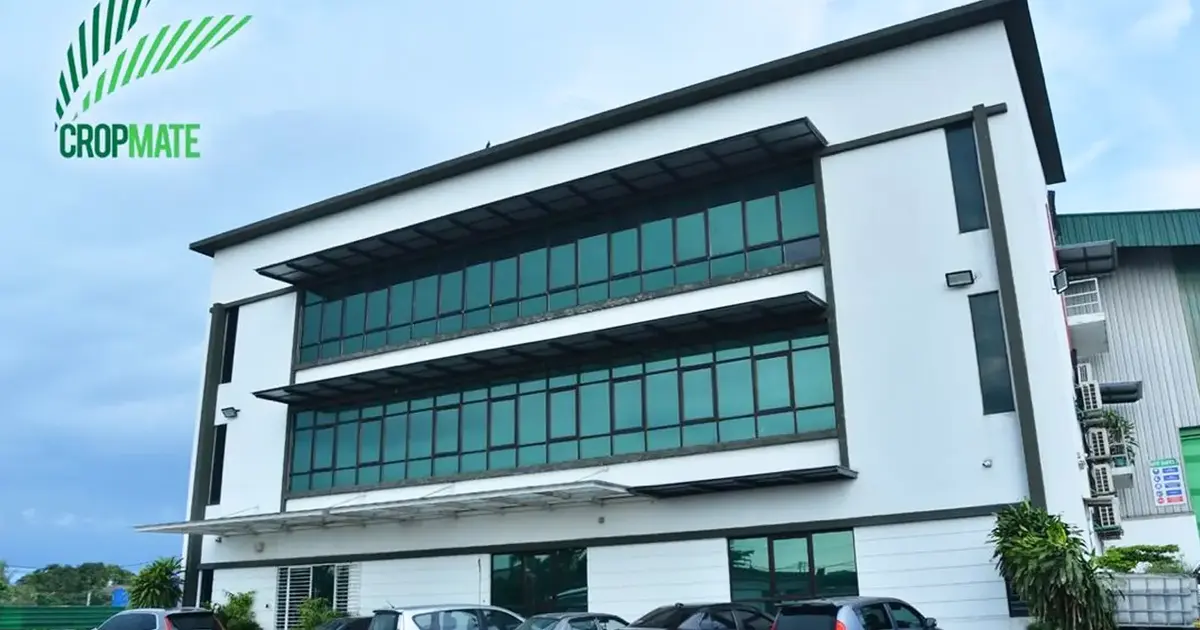
Malaysian fertiliser producer Cropmate has announced that its bank accounts, which had been frozen, are now operational again, marking a significant development for the company after a period of financial constraints. The release of these accounts removes a major operational hurdle that had impeded the firm's ability to conduct routine business transactions and settle obligations to suppliers and partners across the region.
The company's statement addresses mounting speculation about its financial health and legal standing by providing explicit assurance that no personnel—from rank-and-file workers through to the board of directors—have faced arrest or formal charges of any kind. This clarification is particularly important in a business environment where reputational damage can spread quickly through competitor networks and supply chains, potentially affecting credit terms and investor confidence.
The frozen account situation had created significant operational disruption for Cropmate's farming sector clients across Malaysia and Southeast Asia who depend on reliable fertiliser supply. Agricultural businesses operate on tight margins and precise input timelines, making any disruption to fertiliser availability a matter of genuine concern. The release of the accounts suggests that whatever regulatory or investigative matter prompted the initial freeze has either been resolved or moved into a different phase that no longer requires such restrictive measures.
Fertiliser supply chains have become increasingly critical infrastructure across the region, particularly given the sector's importance to food security and agricultural productivity. Malaysia's agricultural sector, though diminished from its historical prominence, still relies on steady input supplies to maintain productivity in palm oil cultivation, rice farming, and diversified smallholder operations. Disruptions at major input suppliers can cascade through farming communities, affecting everything from planting schedules to yield expectations.
Cropmate's situation reflects broader challenges facing agricultural input companies operating in a complex regulatory environment. The fertiliser industry sits at the intersection of agricultural policy, environmental regulation, and international trade frameworks, creating multiple points where compliance issues or investigative matters can emerge. The company's proactive communication about account restoration and the absence of criminal charges suggests management confidence in its operational and legal standing going forward.
The timing of this announcement carries implications for Cropmate's customer relationships and credit standing with financial institutions. Banks monitor their clients closely, and the removal of frozen account status signals that regulatory authorities view the company's circumstances differently than when the original freeze was imposed. This restoration of normal banking access should facilitate more routine supplier relationships and potentially improve the company's access to trade financing arrangements that depend on demonstrated banking stability.
For investors and stakeholders monitoring the fertiliser sector in Malaysia, Cropmate's situation illustrates the vulnerabilities of mid-sized agricultural input companies to regulatory scrutiny and account restrictions. The absence of public detail about what prompted the freeze—and what resolved it—creates some opacity, but the company's categorical denial of employee arrests or charges provides reasonable assurance about the absence of criminal matters affecting personnel.
The release of frozen accounts represents a return to normalcy for business operations but may also signal important behind-the-scenes negotiations or compliance corrections that addressed whatever triggered official concern. Such matters often involve complex settlements, documentary submissions, or regulatory clarifications that never become fully public but are essential to operational restoration.
Cropmate's communication emphasises organisational stability and continuity, messaging designed to reassure customers that supply commitments will be met and that the company remains a reliable partner in the regional agricultural supply network. For farming operations across Malaysia that have diversified away from traditional crops toward higher-value productions, access to quality fertiliser inputs remains foundational to competitiveness and yield management.
The broader context of this development includes ongoing scrutiny of agricultural input suppliers across Southeast Asia, where regulatory authorities maintain particular attention to product quality, supply chain transparency, and financial compliance. The region's push toward sustainable agriculture and reduced chemical input usage has also created additional regulatory layers that companies must navigate while maintaining profitability and market competitiveness.
Looking forward, Cropmate's restored banking capacity should enable the company to participate more fully in seasonal procurement cycles and supplier negotiations that characterise the fertiliser business. Agricultural seasons operate on fixed calendars, and companies that cannot access funds at critical procurement moments face significant disadvantage in securing inventory and fulfilling customer commitments.
The company's statement, though brief, represents an important reassurance to the farming communities that depend on predictable input supply. Restoration of normal banking operations removes uncertainty about payment processing and supplier settlement, elements that influence whether agricultural businesses can confidently plan their own purchasing and operational schedules for upcoming seasons.

