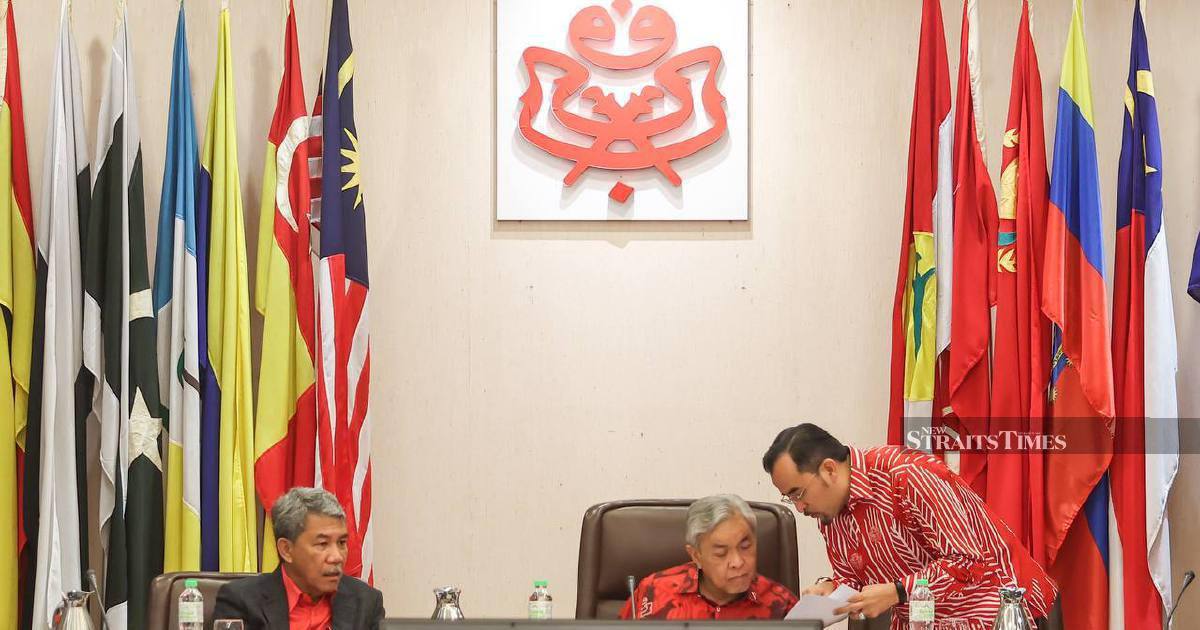
Datuk Dr Asyraf Wajdi Dusuki, the secretary-general of Umno, has made a forceful intervention in ongoing discussions about the rights of those under criminal investigation, asserting that detention during the investigative stage must not automatically result in individuals being branded as guilty parties. His statement represents an important reaffirmation of a foundational principle within Malaysia's legal framework—one that distinguishes between reasonable suspicion warranting arrest and the formal determination of criminal responsibility that only a court can provide.
The distinction Asyraf draws touches on a critical tension within modern criminal justice systems across Southeast Asia. When authorities detain an individual pending investigation, the action reflects no more than a prosecutorial strategy to gather evidence and prevent flight. Yet in public discourse and media coverage, detentions frequently blur into guilty verdicts in the minds of observers. Malaysia's legal system, rooted in common law traditions, explicitly protects the presumption of innocence—a protection codified in Article 5 of the Federal Constitution. This guarantee stands as a counterweight to state power and serves as a safeguard against wrongful conviction.
Ashraf's emphasis gains particular resonance given Malaysia's recent history with high-profile investigations and arrests. The nation has witnessed numerous instances where public figures from politics, business, and entertainment have faced detention and investigation proceedings. The media coverage accompanying such events often frames detainees in language suggesting culpability, regardless of whether charges have been filed or evidence presented. Such framing can damage reputations irreparably, even when subsequent investigations result in no charges or full acquittals. The practical harm to individuals who endure months of investigation only to be exonerated remains largely invisible in public discourse.
Beyond individual cases, Asyraf's statement addresses systemic concerns about how investigators and prosecutors exercise discretion. Police detention in Malaysia is circumscribed by specific legal provisions—typically limited periods followed by requirements to either release the individual or bring them before a magistrate. Yet the psychological and social consequences of detention extend far beyond the formal legal process. Employment becomes precarious, family relations strain, and community standing suffers damage that legal exoneration cannot entirely repair. Public figures face particular vulnerability, as media attention intensifies with their prominence.
The principle of presumption of innocence operates in tandem with the right to a fair trial, another cornerstone of Malaysia's constitutional democracy. Fair trial protections include the right to counsel, access to evidence, and the opportunity to test the prosecution's case through cross-examination. When society presumes guilt based on detention alone, these protections lose practical force. Witnesses may feel pressured to provide testimony they might otherwise contest. Potential exculpatory evidence faces less rigorous scrutiny. The very procedural protections designed to ensure accuracy in verdicts become diminished if guilt is already presumed in the public mind.
Ashraf's intervention reflects broader conversations occurring across Malaysian political and civil society spheres regarding the balance between law enforcement effectiveness and individual rights protection. Investigations require certain tools—police powers to detain, question suspects, and compel testimony. Without such powers, serious crimes might go unsolved and dangerous individuals escape accountability. Yet these same tools carry immense potential for abuse, whether through misuse by overzealous officers or through political weaponisation. The legal framework recognising presumption of innocence represents an attempt to calibrate this balance, accepting that some guilty individuals may evade conviction whilst accepting that cost as preferable to the systematic wrongful conviction of the innocent.
For Malaysian readers observing their own legal system's development, Asyraf's statement carries implications for understanding rights and democracy. The concept of presumption of innocence distinguishes functioning democracies from authoritarian regimes where state accusation routinely functions as de facto conviction. Malaysia's commitment to this principle—explicitly stated by a major ruling coalition figure—signals important continuity. Yet commitment at the rhetorical level requires reinforcement through practice. Prosecutors must avoid presenting circumstantial cases as conclusive proof. Media outlets might exercise greater restraint in language surrounding detainees. Civil society can support individuals caught in investigative processes.
The regional context adds another layer to this discussion. Southeast Asian nations face varying pressures to demonstrate law enforcement effectiveness, particularly regarding corruption and organised crime. Some jurisdictions have experimented with practices that strain the presumption of innocence—from extended detention periods to reverse burden of proof provisions. Asyraf's statement implicitly defends Malaysia's current framework against any drift toward such measures. This positioning remains significant for how the nation develops its reputation for rule of law compared to regional peers.
Moving forward, the practical application of presumption of innocence will likely face further tests. As Malaysia continues investigating complex financial crimes and other sophisticated offences, the temptation to move toward more coercive investigative practices will persist. Public frustration with perceived leniency toward the powerful may create pressure for harsher treatment of detainees. Asyraf's statement plants an important marker that at least one major political figure recognises such pressures must be resisted. Whether this rhetorical commitment translates into sustained institutional practice, however, will depend on actions taken by prosecutors, police, courts, and civil society organisations vigilant against erosion of fundamental protections.

