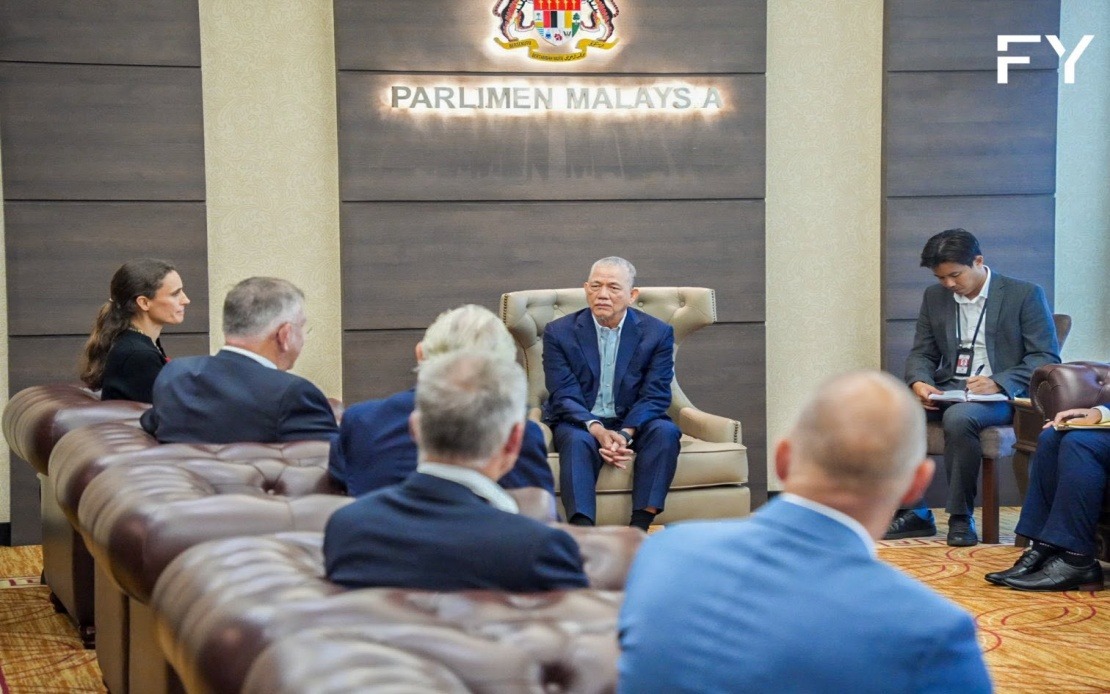
Malaysia is positioning itself as an attractive destination for German small and medium-sized enterprises seeking to expand into Southeast Asia's growing green technology market. Deputy Prime Minister Datuk Seri Fadillah Yusof made the overture during a parliamentary engagement with German Ambassador to Malaysia Silke Riecken-Daerr and representatives from the German SME Business Association, signalling the government's intent to deepen economic ties with one of Europe's industrial powerhouses.
The invitation reflects Malaysia's strategic pivot toward sustainable industries as part of its broader development framework. Fadillah specifically identified renewable energy, green technology, and water management and treatment as priority sectors where German expertise and innovation could contribute meaningfully. These areas align with Malaysia's commitment to environmental stewardship and the country's obligations under international climate agreements, positioning German investment as complementary to national policy objectives rather than merely commercial opportunity.
Germany's manufacturing and engineering prowess has already established a substantial footprint in Malaysia. Over 800 German companies currently operate across the country in diverse sectors, ranging from automotive components to mechanical engineering and industrial technology. This existing ecosystem suggests that infrastructure, supply chains, and business networks are already in place to support new entrants, particularly SMEs that may benefit from established relationships and market familiarity rather than starting from scratch.
The bilateral economic relationship has matured considerably, with Germany remaining one of Malaysia's principal trading partners. Beyond traditional manufacturing sectors where German companies have historically excelled, the current dialogue suggests both nations recognise untapped potential in emerging industries centred on environmental sustainability. For Malaysian policymakers, attracting German SMEs to these sectors offers dual benefits: access to cutting-edge technology and knowhow while simultaneously advancing the country's green development agenda.
A significant component of the discussion centred on technical and vocational education and training cooperation. Germany's TVET system is internationally renowned for producing skilled workers equipped for modern industrial demands. The model emphasises practical, apprenticeship-based learning that directly connects educational outcomes to employer needs, creating a pipeline of competent technicians and specialists. Malaysian officials see potential in adapting or adopting elements of this approach to enhance workforce capabilities.
Malaysia's interest in German TVET expertise reflects a recognised gap in human capital development. As the country seeks to transition toward higher-value manufacturing and technology-intensive industries, the availability of appropriately skilled workers becomes critical. A workforce trained according to German standards and methodologies could enhance Malaysia's competitiveness in sectors requiring technical precision and innovation, from renewable energy installation and maintenance to advanced water treatment systems.
The timing of this diplomatic initiative carries strategic weight. Southeast Asia is experiencing accelerating demand for green infrastructure and sustainable technology solutions, driven by environmental regulations, corporate sustainability commitments, and growing consumer consciousness. German SMEs, many of which have already invested heavily in green technology innovation, possess products and services well-suited to this regional demand. By positioning Malaysia as a hub for such businesses, the government creates opportunities for these enterprises to serve not only the domestic market but also the broader ASEAN region.
For German SMEs considering expansion into Asia-Pacific markets, Malaysia presents distinct advantages. The country offers political stability, established rule of law, skilled English-speaking workforce in many sectors, and membership in various regional trade frameworks. Additionally, Malaysia's existing German business community can provide networking, mentorship, and market intelligence to newcomers. Government signals such as Fadillah's comments reduce perceived investment risk by demonstrating official support and alignment with national priorities.
The emphasis on green sectors is particularly noteworthy given global trends in corporate investment and financing. International capital increasingly flows toward businesses with strong environmental, social, and governance credentials. German SMEs operating in renewable energy and water management align with these investment preferences, potentially making them attractive to international investors and development finance institutions. Malaysia's active courtship of such businesses positions the country as serious about sustainable development rather than merely paying lip service to environmental commitments.
Water management and treatment represents a particularly compelling opportunity within this framework. Malaysia experiences periods of water scarcity despite being a tropical nation, owing to distribution challenges, ageing infrastructure, and population concentration in urban centres. German expertise in water treatment, recycling, and smart distribution systems directly addresses these practical challenges while contributing to environmental sustainability. Investment in this sector would have tangible benefits for Malaysian consumers and industrial users alike.
The broader geopolitical context also warrants consideration. Malaysia maintains historically strong ties with Europe while simultaneously engaging deeply with other regional and global powers. Deepening economic cooperation with Germany and European SMEs represents a balanced approach to economic partnerships, reducing concentration risk and fostering diversified sources of investment and technology. This diversification proves particularly valuable in an era of economic fragmentation and shifting global supply chains.
Fadillah's confidence in strengthened bilateral relations appears well-founded given the complementary nature of both economies' interests and capacities. German SMEs seeking markets for green technology solutions and Malaysian authorities pursuing sustainable development and workforce upgrading occupy convergent strategic positions. Translating this alignment into concrete investment flows will require continued dialogue, clear regulatory frameworks, and potentially targeted incentive structures. The parliamentary engagement marks a promising beginning to what could develop into a substantial expansion of German business presence in Malaysia's emerging green economy.

