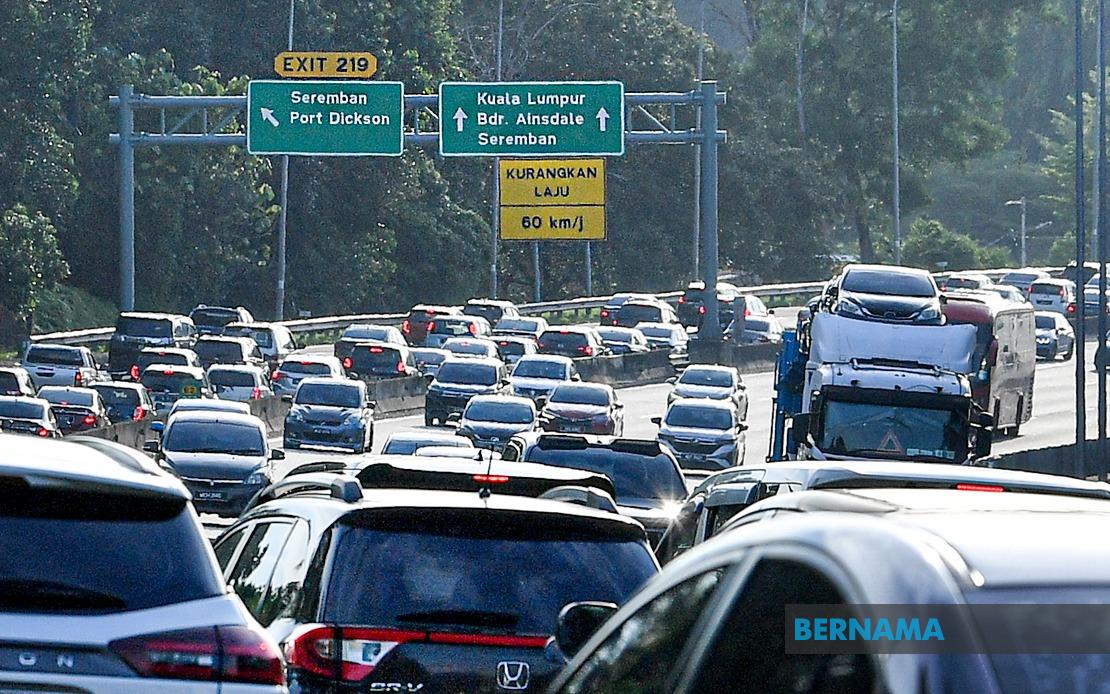
Malaysia is moving toward stricter financial accountability for those responsible for fatal and serious road traffic accidents, with the Cabinet approving a legislative amendment to the Road Transport Act 1987 that will empower courts to order compensation payments to victims and their families. The measure represents a significant shift in how the country's legal system addresses the devastating human and economic costs of negligent driving, particularly incidents involving impairment from alcohol or drugs.
Dr Zulkifli Hasan, Minister in the Prime Minister's Department (Religious Affairs), has signalled full institutional support for the initiative, positioning it within a broader review of compensation mechanisms grounded in Islamic principles. Since February, his department has been collaborating with religious scholars and legal experts to examine how compensation frameworks—specifically the concept of diyat, a cornerstone of Islamic jurisprudence—might be applied within Malaysia's secular court system. This fusion of religious guidance with statutory reform underscores the government's intention to create a penalty structure that resonates with the values of Malaysia's Muslim-majority population while meeting modern justice standards.
Transport Minister Anthony Loke initiated the policy discussion on Friday, explaining that courts would gain the authority to levy compensation as a supplementary punishment beyond fines and imprisonment. This distinction matters significantly: victims or their families would not bear the burden of launching separate civil suits to recover losses, a process that can span years and prove prohibitively expensive. Instead, compensation would be embedded directly into the criminal sentencing framework, accelerating the delivery of financial remedies to those harmed by reckless conduct. For a developing nation wrestling with persistently high road fatality rates, the reform addresses a long-standing gap where offenders could technically satisfy criminal penalties without addressing the tangible suffering they inflicted.
Dr Zulkifli emphasised that the amendment responds to the particular severity of certain traffic violations. Driving under the influence of alcohol or drugs represents gross negligence that results in preventable loss of life, he argued, and such conduct should not be permitted to end merely in imprisonment and fines. The minister stressed that financial accountability must be proportionate to the harm caused, ensuring that victims' next of kin—often left without breadwinners following fatal accidents—receive concrete restitution rather than symbolic justice. This reframing of traffic penalties as a matter of victim protection, rather than purely offender punishment, aligns with evolving international jurisprudence on restorative justice.
Ahmad Fauwaz Fadzil, the Federal Territories Mufti, reinforced the theological underpinnings of the reform, noting that Islamic law has long prioritised the preservation of human life and the rights of those harmed by negligence. He cited the principle of diyat—blood money or compensation ordained under Syariah—as providing legitimate grounding for the compensation mechanism. The mufti's statement carries weight in Malaysia's plural legal landscape, where Islamic principles inform family law, inheritance, and select criminal matters. By endorsing the amendment through a religious lens, he legitimises the reform among constituencies concerned with alignment between state action and Islamic values, potentially broadening political support across demographic lines.
The Malaysian Syarie Lawyers Association, represented by president Musa Awang, pledged professional assistance in drafting the amendment bill. Awang highlighted the recurring tragedy of road crashes caused by impaired drivers or illegal street racing, which inflict death and serious injury with alarming regularity. The association framed the reform as advancing maqasid syariah—the overarching objectives of Islamic law centred on protecting life, intellect, and property. By positioning the compensation mechanism within this framework, legal practitioners are constructing a narrative that the amendment serves both practical road safety goals and religious principles, reducing the risk of theological objections during parliamentary debate.
The timing of this initiative reflects mounting public concern over road safety in Malaysia. The nation has long grappled with accident rates among the highest in Southeast Asia, with alcohol and drug-impaired driving identified as major culprits. Current penalties—imprisonment and fines—have proven insufficient as deterrents, partly because offenders who lack significant assets may face limited practical consequences. Mandated compensation orders create a mechanism to pursue asset recovery more systematically, potentially extending consequences well beyond the initial sentencing period. This approach mirrors practices in several jurisdictions that have achieved reductions in repeat offending through financial liability structures.
The reform's practical implementation will test Malaysia's court system's capacity to assess damages fairly and ensure collection. Courts will need to evaluate the lifetime economic loss represented by a victim's death or permanent disability—calculations involving lost earnings potential, care costs, and pain and suffering. Setting compensation levels too low risks perpetuating a sense of injustice; setting them too high without clear guidance could create sentencing disparity. The involvement of both religious scholars and legal experts in drafting the amendment suggests awareness of these complexities, though the precise framework remains to be unveiled.
For Malaysian families who have lost members to reckless driving, the amendment offers a pathway to financial recovery without civil litigation's delays and costs. The change particularly benefits lower and middle-income families who often cannot afford prolonged legal battles. By integrating compensation into criminal sentencing, the state assumes responsibility for facilitating victim restitution, implicitly acknowledging that road safety is a collective concern rather than a private dispute.
The amendment also carries implications for road transport operators, insurance companies, and workplace safety policies. Firms may face increased pressure to enforce stricter vehicle safety protocols and driver accountability measures if employees' negligent driving triggers substantial compensation liabilities. Insurance premiums for high-risk drivers may escalate further, creating additional financial incentives for behavioural change beyond the fear of legal punishment.
From a regional perspective, Malaysia's move toward mandatory compensation for traffic offences positions it ahead of several neighbours in victim-centred justice reform. Singapore and Thailand have implemented versions of such measures, and other ASEAN nations facing similar public health crises from road accidents may regard Malaysia's approach as a template. The integration of Islamic jurisprudential concepts with statutory reform also demonstrates how plural legal systems can synthesise multiple traditions to address contemporary challenges.
The amendment will require parliamentary passage, and the government's apparent broad-based support from religious authorities, legal associations, and the transport ministry suggests smooth legislative progress. Opposition parties may scrutinise enforcement mechanisms and revenue implications, but the underlying principle—that those responsible for preventable death should face financial accountability—enjoys substantial cross-party and societal consensus in Malaysia.
Stakeholders now await the drafting of the actual amendment bill, which will crystallise the policy's contours: compensation ranges, calculation methodologies, collection procedures, and transitional provisions. The government's engagement with religious scholars and legal experts during this phase signals intent to produce a framework that withstands both judicial scrutiny and community acceptance, potentially establishing a model that balances deterrence, victim protection, and fairness.

