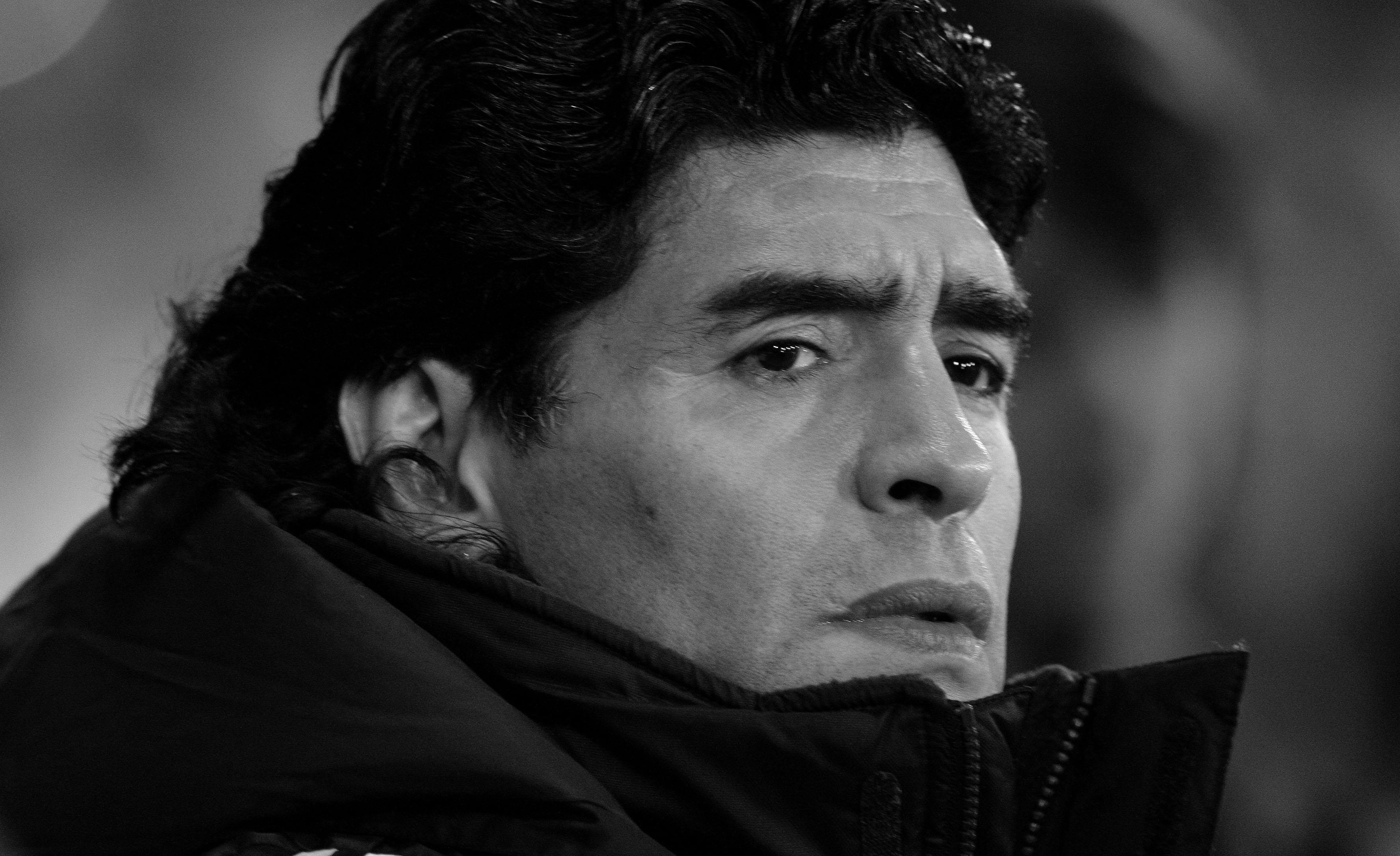
The ongoing legal proceedings investigating the circumstances surrounding Argentine football icon Diego Maradona's death have hit a significant procedural snag, with the trial suspended for a week following a confusing administrative error involving critical medical documentation. According to reports cited by the German Press Agency, kidney test results attributed to Maradona during the court hearings actually belonged to his father, Diego Senior, who passed away in 2015, years before the football legend's own death on November 25, 2020. The revelation has forced the court to order the retrieval and verification of authentic medical records, raising fresh concerns about the integrity of evidence being presented in what is already a complicated and contentious case.
Maradona, who captained Argentina to victory in the 1986 FIFA World Cup, died following a heart attack at his home in Buenos Aires. What began as a straightforward death investigation evolved into a complex manslaughter prosecution after authorities concluded that severe lapses in his at-home medical care may have contributed to his demise. The football legend had undergone brain surgery mere weeks before his fatal heart attack, leaving him vulnerable and dependent on round-the-clock supervision and care. Prosecutors have built their case on the theory that negligence by those responsible for his wellbeing materially worsened his condition and hastened his death.
The prosecution has levelled charges against seven individuals connected to Maradona's care circle: his personal physician Leopoldo Luque, psychiatrist Agustina Cosachov, a psychologist, an unnamed additional doctor, the medical coordinator employed by his health insurance provider, and two private carers. Each of the defendants has categorically rejected the manslaughter allegations against them, maintaining their professional conduct was appropriate and that they fulfilled their duties with due diligence. Their legal representatives have mounted vigorous defences, arguing that the circumstances surrounding Maradona's death were beyond their control or that they bear no criminal responsibility for the outcome.
The current trial represents a second attempt to obtain a conviction in this matter, highlighting the extraordinary procedural complications that have dogged the investigation. An earlier trial, which had progressed for 21 days, was rendered null and void in May of the previous year after serious irregularities came to light. One of the three judges sitting on the tribunal was suspended from the case following the revelation that she had secretly participated in an unauthorised documentary film about the very trial she was hearing, an egregious breach of judicial impartiality and ethics that undermined confidence in the proceedings. This forced a complete restart of the judicial process, causing enormous delays and further frustration for all parties involved.
The documentary controversy raised broader questions about media access to sensitive criminal trials and the responsibilities of judicial officers to maintain strict neutrality. The judge's involvement in the film project suggested she may have had preconceived narratives about the case or financial incentives that could cloud her judgement. Such breaches of judicial conduct are taken seriously across legal systems worldwide and are particularly problematic in high-profile cases that attract intense public scrutiny. The decision to declare the entire trial void, while appropriate, came at considerable cost to the pursuit of justice, as plaintiffs and defendants alike faced months of uncertainty and additional legal expenses.
For Malaysian readers and those across Southeast Asia, the Maradona case illustrates broader issues about the rule of law, judicial integrity, and the challenges facing criminal justice systems when handling cases involving public figures. The administrative error with the medical records—mixing documents from the wrong person—underscores how institutional failures in record-keeping and evidence management can derail even meticulously constructed prosecutions. Such lapses are not unique to Argentina and represent a cautionary tale for any jurisdiction where complex medical negligence cases proceed through the courts.
The suspension of the trial for a week while authentic medical documentation is secured suggests that the court is taking seriously its obligation to ensure a fair hearing built on accurate evidence. Both the prosecution and defence teams require reliable clinical information to properly present their arguments. For prosecutors, kidney function tests and other diagnostic results are crucial to establishing whether Maradona's medical condition was properly monitored and whether any deterioration was adequately addressed by his care team. For the defence, accurate records are equally important to demonstrate that their clients took appropriate steps or that factors beyond their control contributed to his death.
The case has maintained significant public interest in Argentina and throughout the global football community, where Maradona remains a towering and controversial figure. His life combined extraordinary athletic brilliance with personal struggles including drug addiction and health complications, creating a complex legacy. The legal battle over responsibility for his final years has become entangled with broader questions about how society cares for ageing sports legends and whether those around vulnerable individuals should bear criminal liability for medical outcomes. These philosophical and practical questions extend beyond Argentina's borders and resonate across many nations grappling with similar challenges around elderly care, medical ethics, and appropriate criminal accountability.
The lengthy procedural delays—from his death in November 2020, through the aborted first trial, and now into a restarted second proceeding still beset by evidentiary problems—raise questions about whether delayed justice serves the interests of any party. Maradona's family continues to seek answers about the circumstances of his death. The defendants face prolonged uncertainty about their legal fates. The broader public understanding of what occurred remains incomplete. As the trial recommences with corrected medical records, Argentine courts will hope to finally provide clarity and closure to one of the most scrutinised celebrity death cases in recent sporting history.

