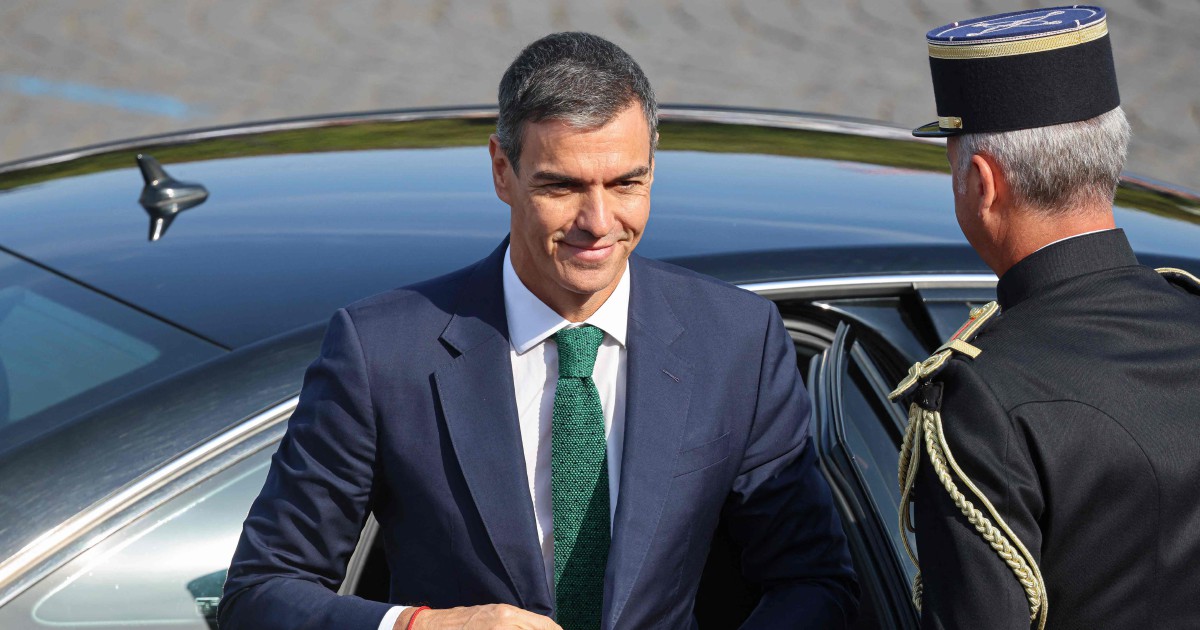
Spain's Prime Minister Pedro Sanchez has used the country's World Cup final appearance as a platform to celebrate national unity, offering fulsome praise for the football team's discipline and cohesion as it prepares for Sunday's championship decider against Argentina. The timing of the Prime Minister's remarks carries particular significance given his administration's struggle with high-profile corruption allegations that have occupied Spain's political landscape in recent months.
Sanchez's endorsement of the national squad reflects a broader pattern in which sporting achievement provides political leaders with opportunities to project strength and national identity during periods of domestic difficulty. By associating his government with the team's success, the Spanish Prime Minister seeks to channel public enthusiasm for football into a broader sense of shared national purpose. This strategy proves especially valuable when facing questions about governance and ethical standards in the corridors of power.
The Spanish national team has demonstrated remarkable organizational discipline throughout the tournament, earning recognition from both international observers and domestic commentators for their tactical sophistication and team-oriented approach. Players representing a diverse range of clubs across Europe's top leagues have seamlessly integrated into a cohesive unit capable of competing at the world's highest level. This integration reflects months of preparation and the coaching staff's meticulous attention to building a collective identity transcending individual talent.
Argentina presents a formidable opponent in Sunday's final, possessing its own compelling narrative as a nation with deep football traditions and several players performing at elite European clubs. The South American side has demonstrated attacking prowess throughout the tournament while maintaining defensive solidity when required. The final promises to showcase contrasting philosophies: Spain's controlled, possession-based approach against Argentina's more direct attacking style.
For Spanish football enthusiasts, the World Cup final represents the culmination of years of development following the national team's earlier success in continental tournaments. The program has evolved to produce technically proficient players capable of maintaining possession and dictating match tempo across ninety minutes. This philosophy, distinct from several competing nations' tactical approaches, has established Spain as a consistent force in international football competitions.
The domestic context surrounding Sanchez's remarks cannot be ignored when assessing the political implications of Spain's World Cup run. Corruption investigations have created a challenging environment for the government, with opposition parties capitalizing on these difficulties to question the administration's credibility. In such circumstances, national sporting achievement offers a valuable counternarrative, allowing leaders to redirect public attention toward collective accomplishment and shared values.
Malaysian and Southeast Asian readers should note that football's political resonance extends well beyond Europe's borders. The sport functions as a uniquely powerful vehicle for national expression and pride, particularly in societies where political institutions face legitimacy challenges. Spain's experience demonstrates how international sporting competitions can temporarily unite fractured polities and remind citizens of shared identities independent of partisan divisions.
The World Cup final also carries significant implications for Spain's broader standing within international football. A victory would reinforce the credibility of the nation's tactical approach and development philosophy, potentially influencing how other football associations structure their own programs. Conversely, defeat might encourage rival nations to adopt different methodologies, creating a ripple effect across global football development strategies.
For Argentina, the final represents a culmination of its own footballing traditions and recent competitive successes. The South American nation enters Sunday's match seeking validation of its contemporary approach while honoring a legacy of World Cup achievement stretching back decades. The clash between these two football philosophies provides compelling theatre transcending mere sporting interest.
Spanish media coverage of Sanchez's remarks has generally focused on his recognition of the team's character rather than the potential political implications of his statements. The Prime Minister's ability to stand shoulder-to-shoulder with national pride offers a temporary respite from investigative journalism and opposition criticism dominating recent headlines. Whether this respite translates into longer-term political rehabilitation depends substantially on events both on the pitch and within Spain's legal system.
The World Cup final demands our attention not merely as a sporting spectacle but as a window into how nations construct identity and mobilize collective emotion during moments of institutional stress. Spain's journey to the final, alongside the Prime Minister's strategic invocation of team unity, illustrates football's enduring capacity to transcend ordinary political divisions and remind populations of aspirations and values extending beyond conventional politics.

